Click the “+” button to explore all the page controls!
Taxonomy: The Tree of Life

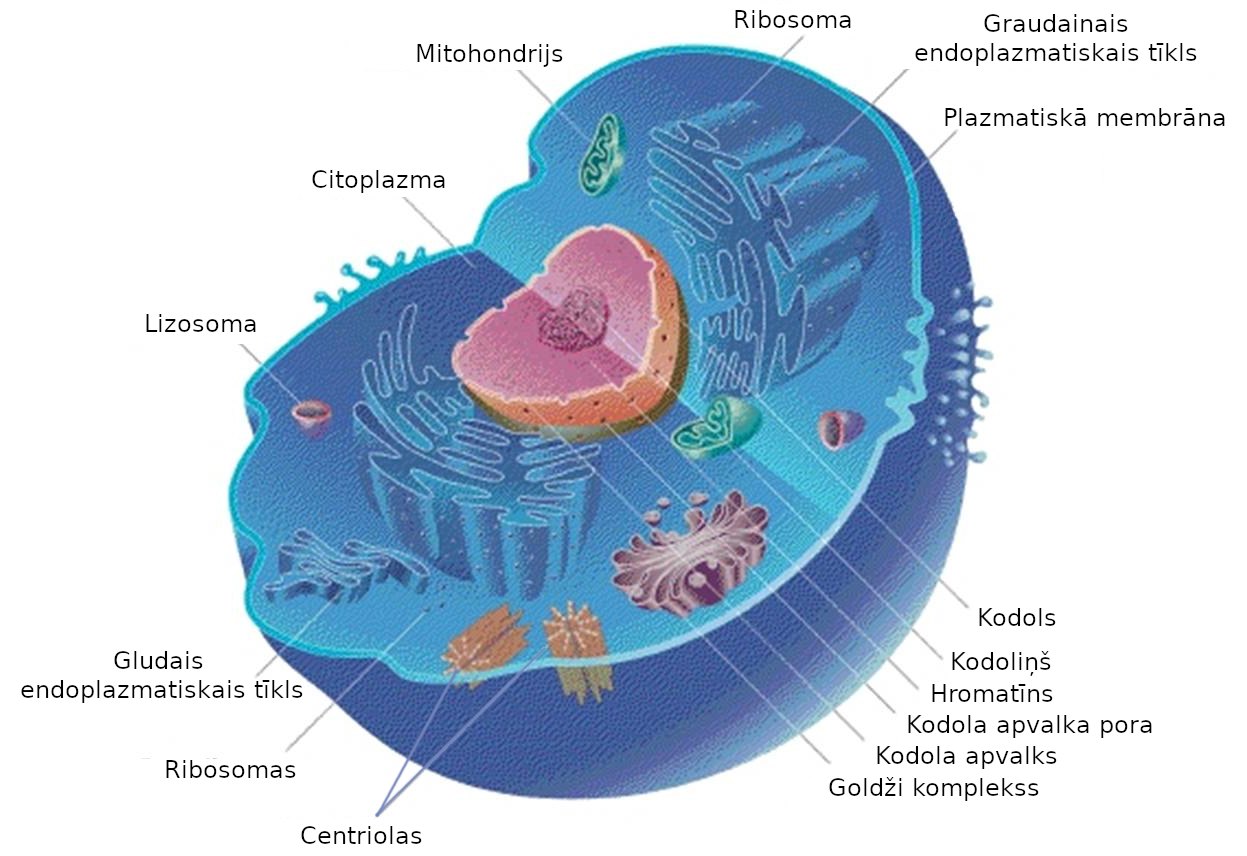
Eukaryotes
Eukaryota
2.1B years ago
Organisms whose cells have a nucleus enclosed within a nuclear envelope. This domain includes all animals, plants, fungi, and protists.
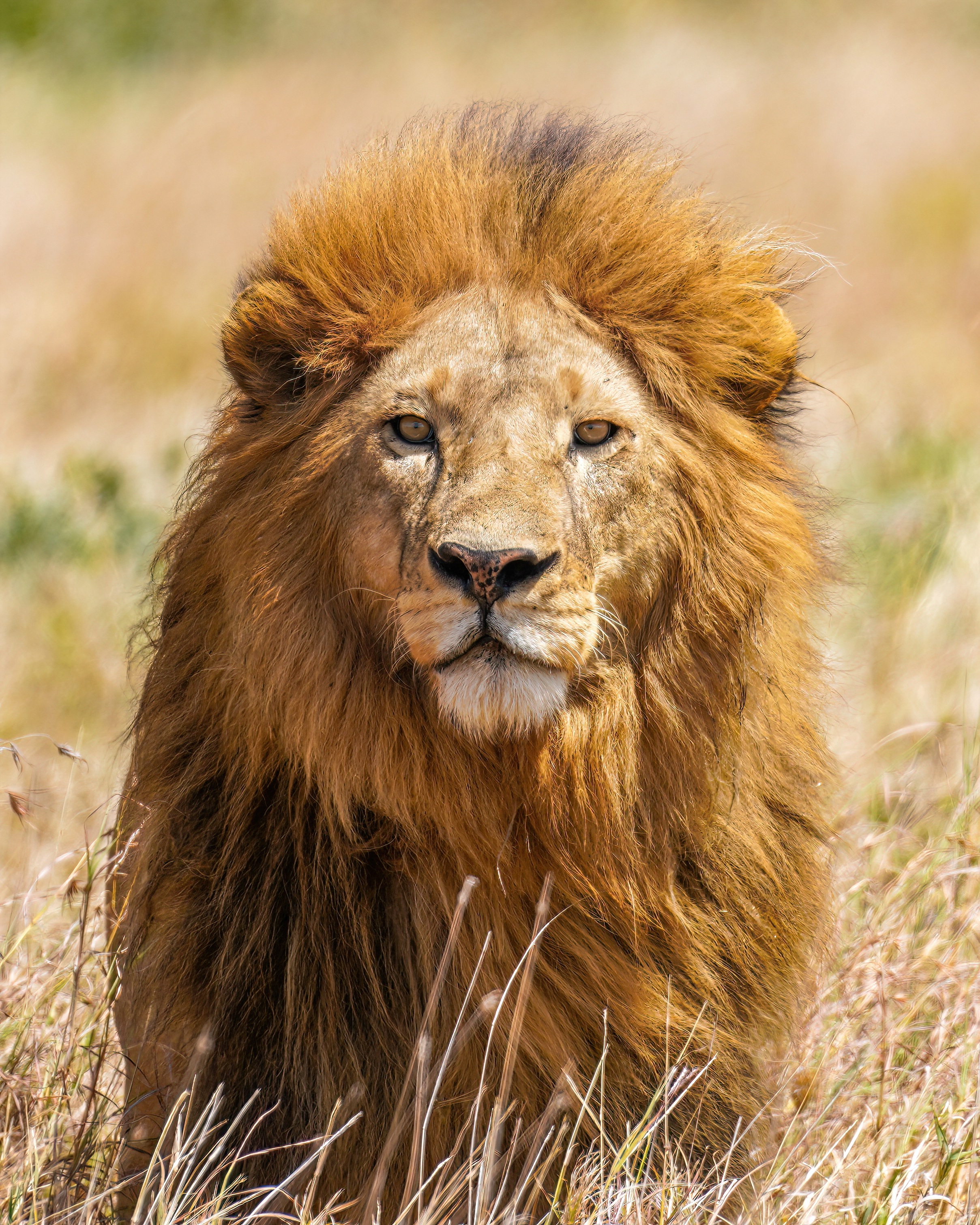
Animals
Animalia
800M years ago
All animals are members of the Kingdom Animalia, also called Metazoa. They are multicellular and heterotrophic. Animal cells lack the rigid cell walls that characterize plant cells.
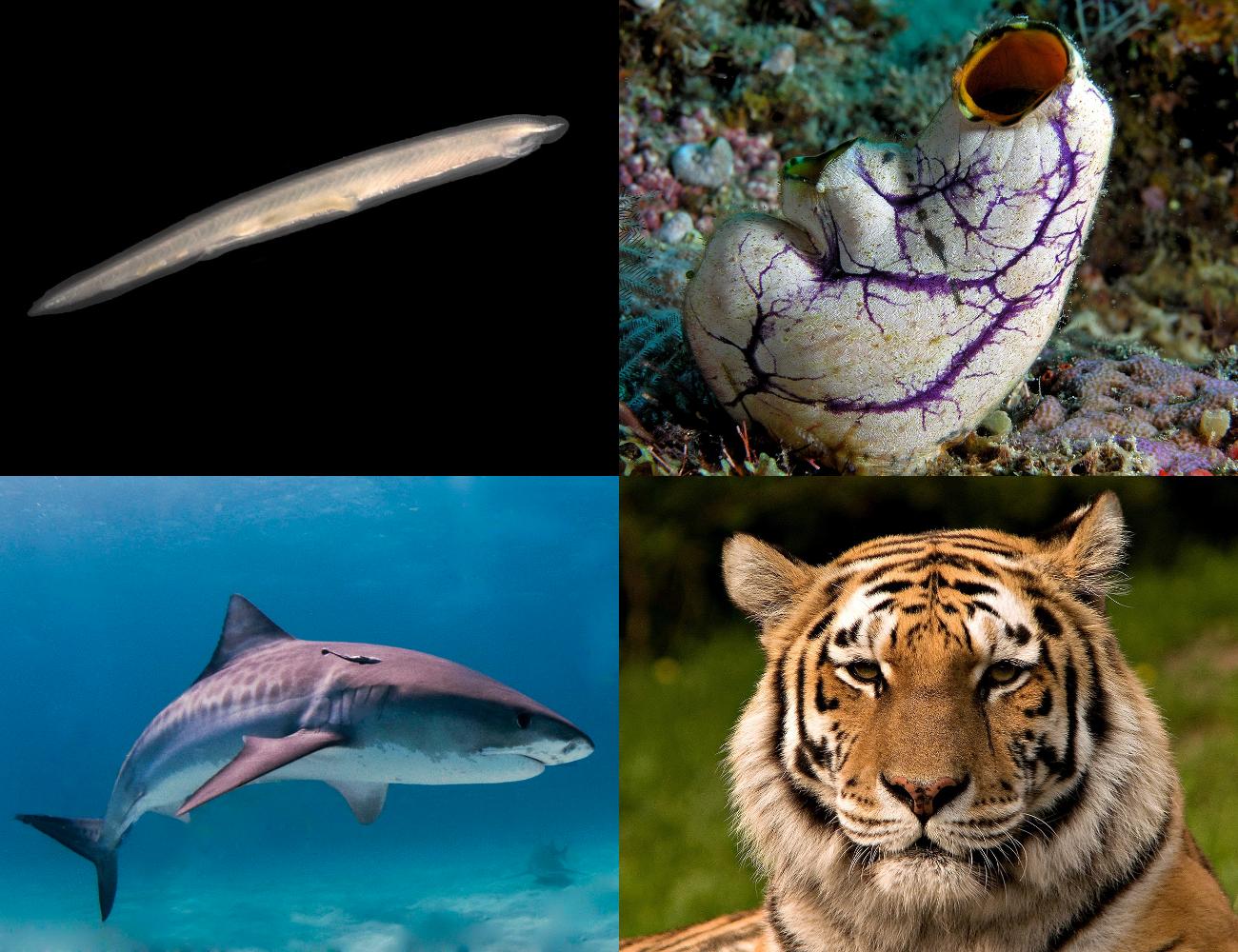
Chordates
Chordata
530M years ago
Chordates are animals that have, at some stage of development, a notochord, a dorsal hollow nerve cord, pharyngeal slits, and a post-anal tail. Most chordates are vertebrates (which means having a vertebral column (backbone) and a cranium (skull); subphylum Vertebrata), and all other animals are called invertebrates, or shortened "inverts."
Amphibians
Amphibia
370M years ago
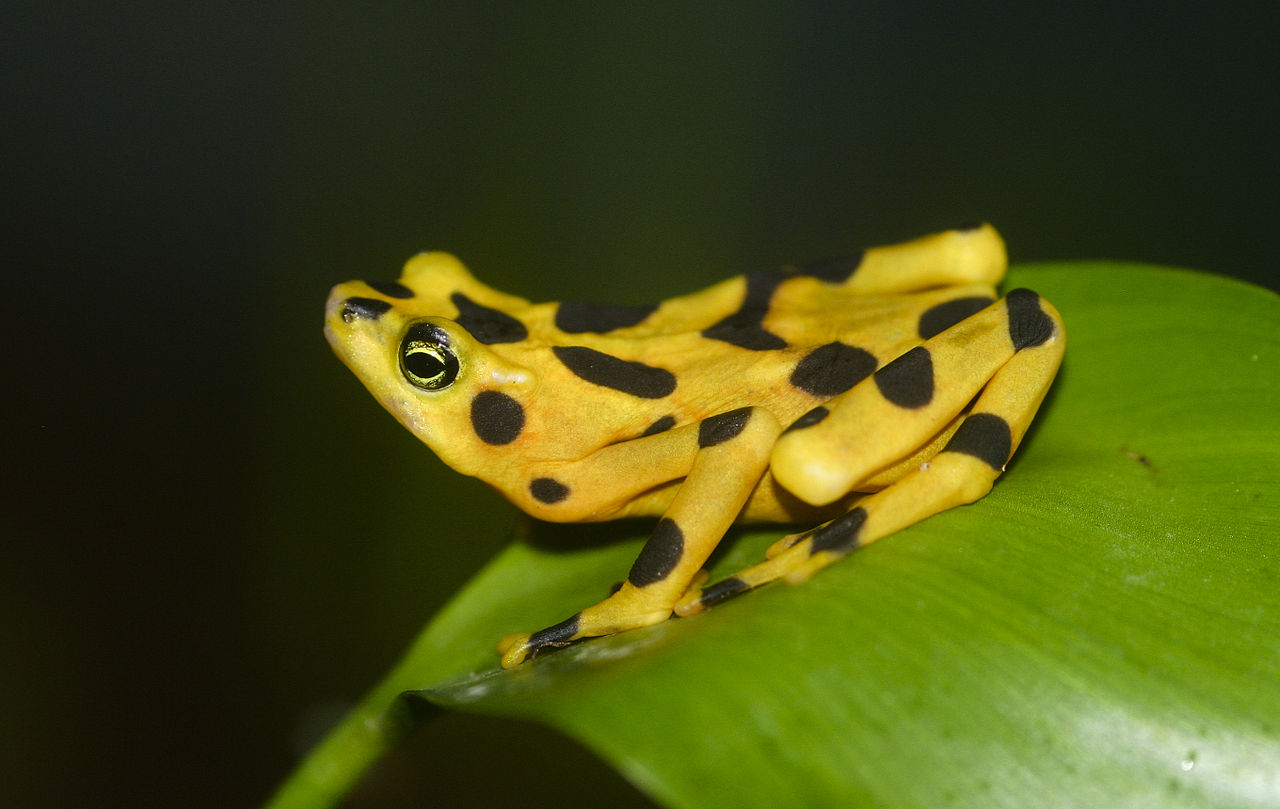
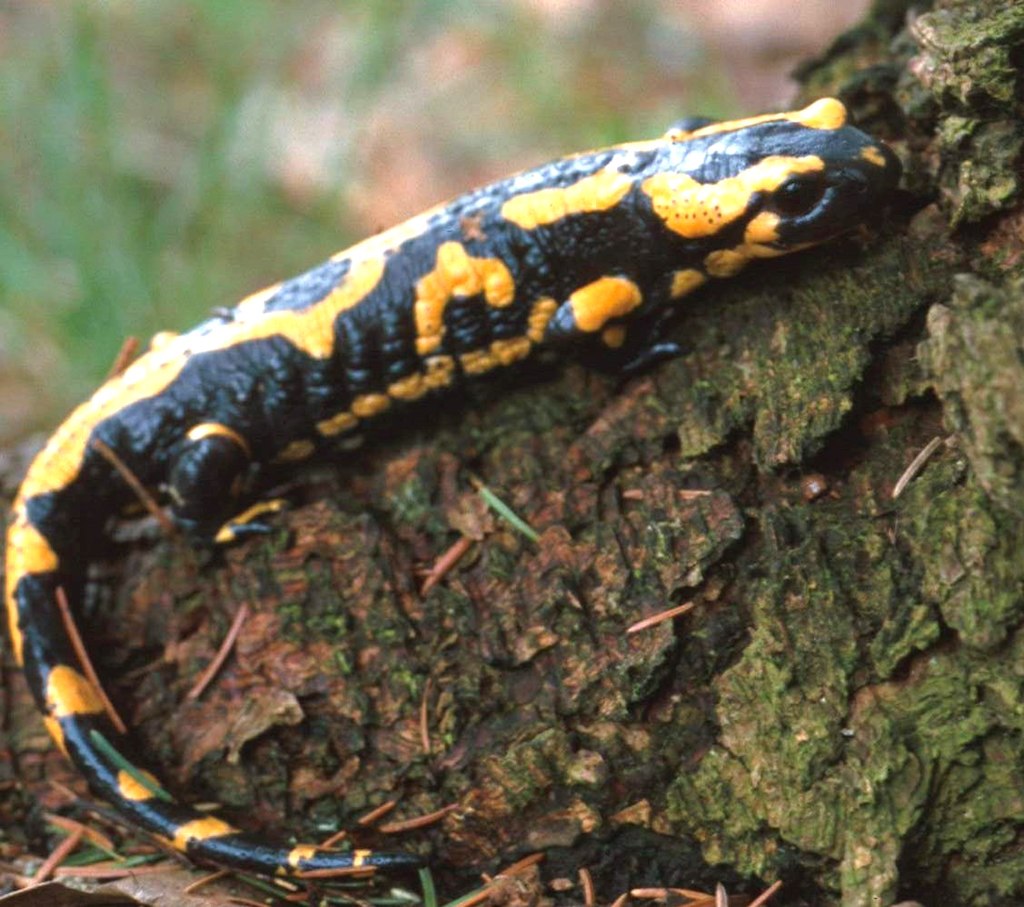
Amphibians are cold-blooded vertebrates that live both in water and on land, including frogs, toads, and salamanders.
Frogs
Anura
250M years ago
Anura is the order of amphibians that includes frogs and toads. They are known for their short bodies, webbed digits, and exceptional jumping ability.
Salamanders
Caudata
237M years ago
Caudata is the order of amphibians that contains salamanders and newts. They are characterized by their slender bodies, short limbs, and the presence of a tail in both larvae and adults.
Reptiles
Reptilia
315M years ago
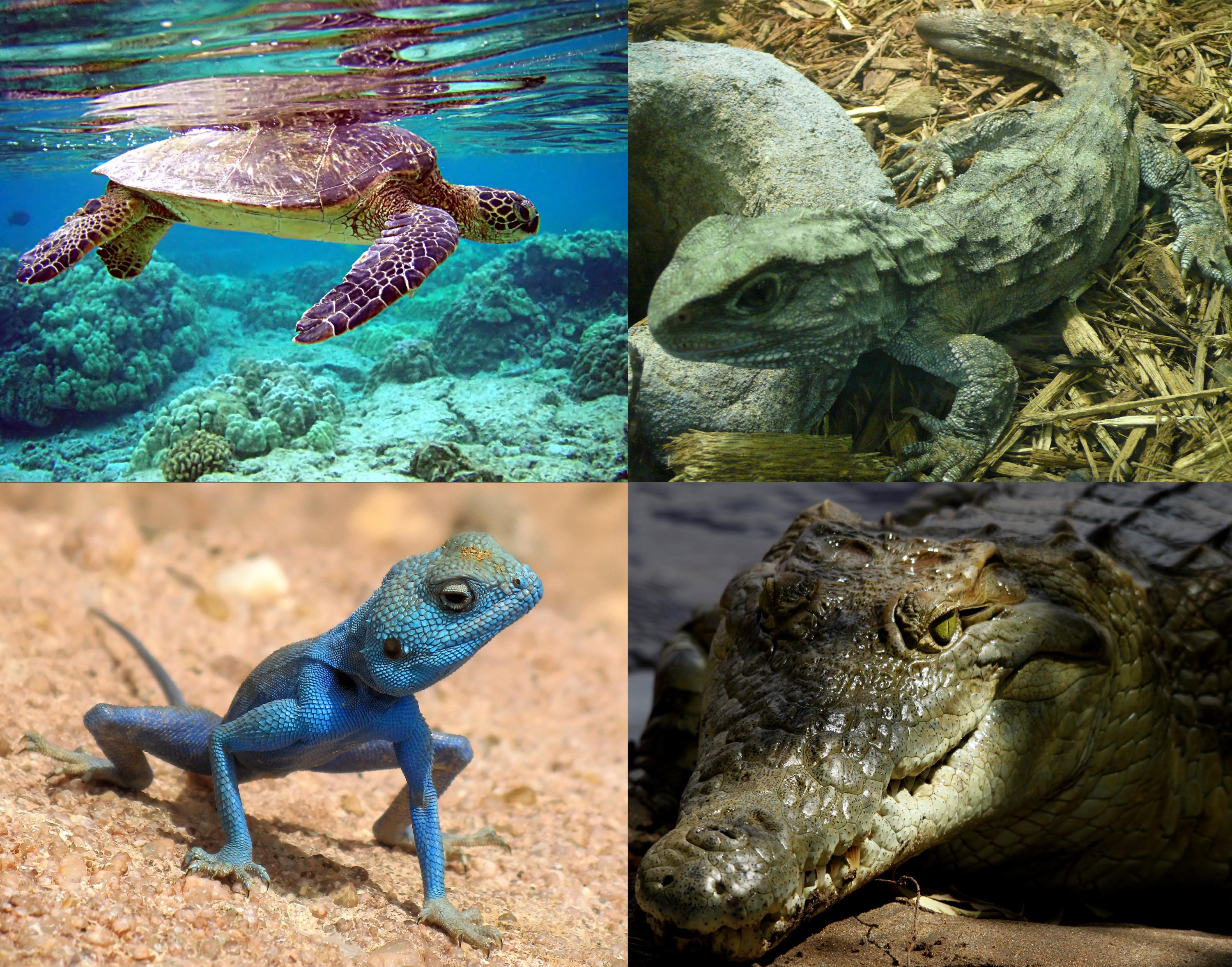
Reptiles are cold-blooded vertebrates that include snakes, lizards, turtles, and crocodiles. They usually have scaly skin and lay eggs.
Turtles
Testudines
220M years ago
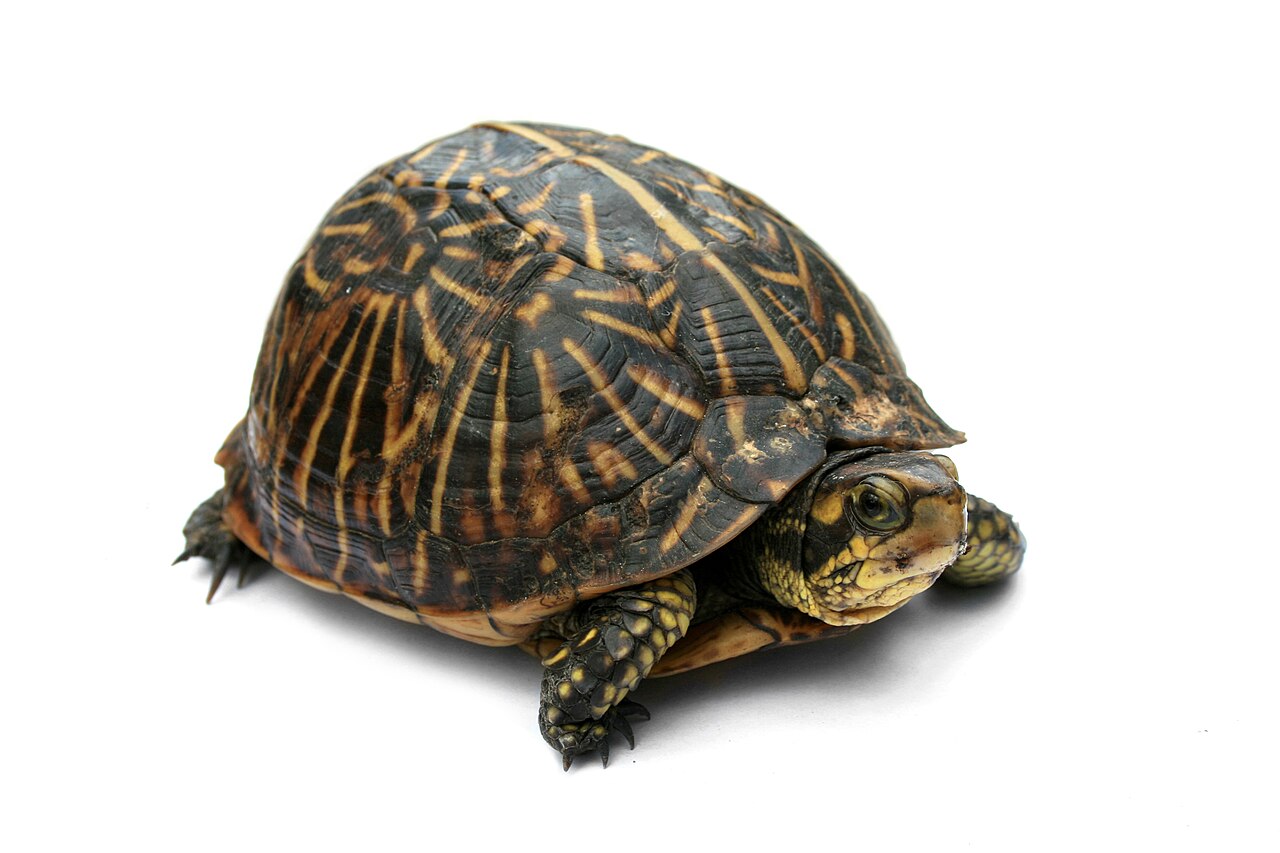
Testudines is the order of reptiles known as turtles, tortoises, and terrapins. They are characterized by a special bony or cartilaginous shell developed from their ribs.
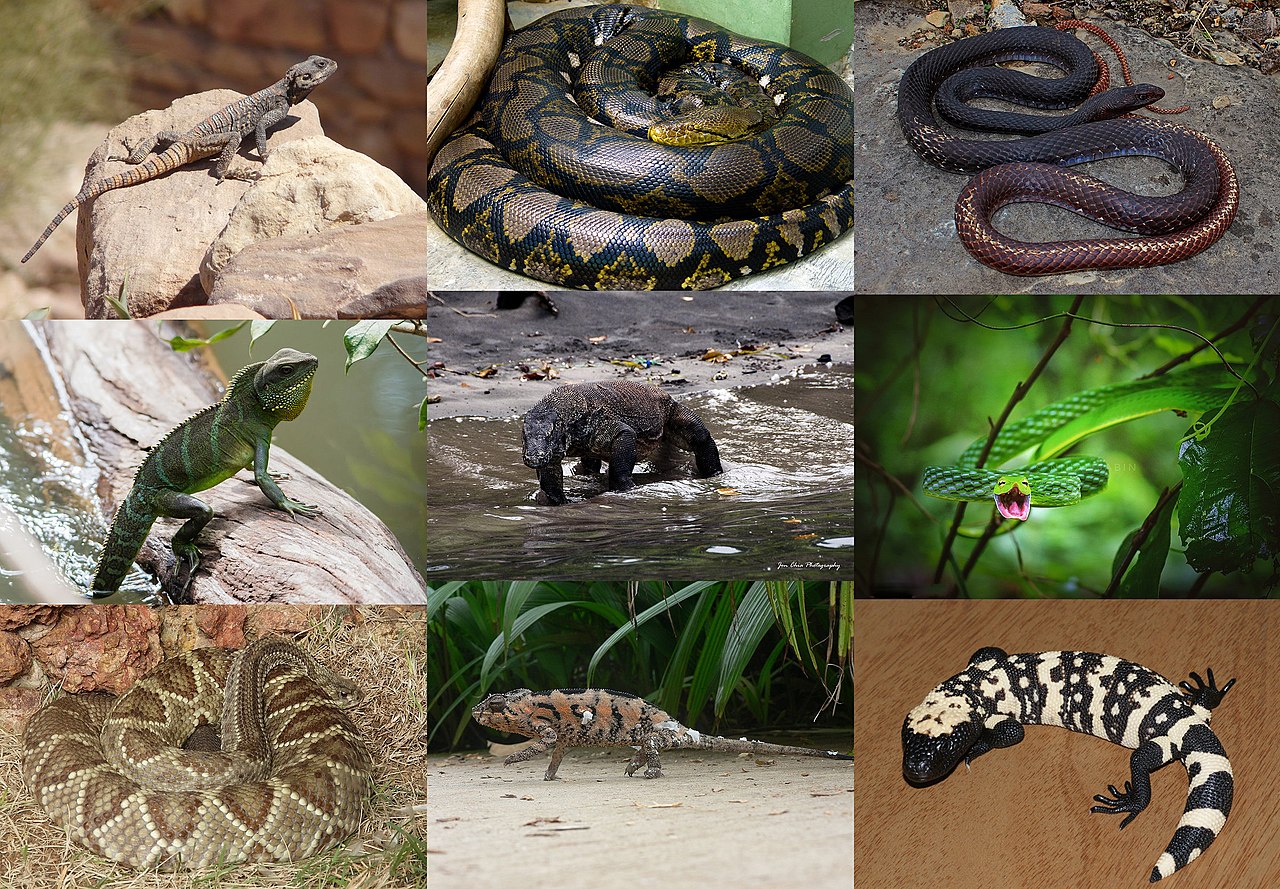
Lizards and snakes
Squamata
250M years ago
Squamata is the largest order of reptiles, comprising lizards and snakes. Members are distinguished by their scales and movable quadrate bones in the skull.
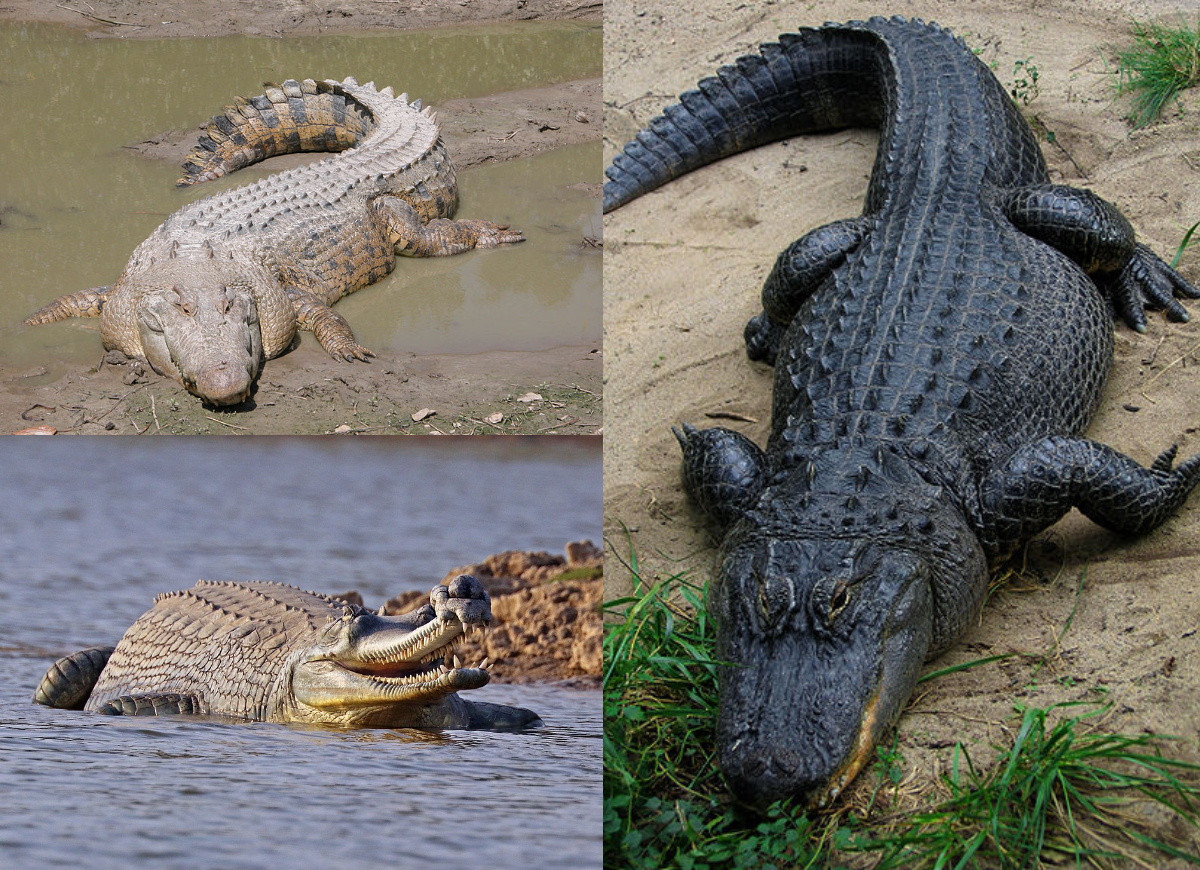
Crocodiles
Crocodilia
95M years ago
The order Crocodilia includes crocodiles, alligators, caimans, and gharials. They are large, predatory, semiaquatic reptiles, and are the closest living relatives of birds.
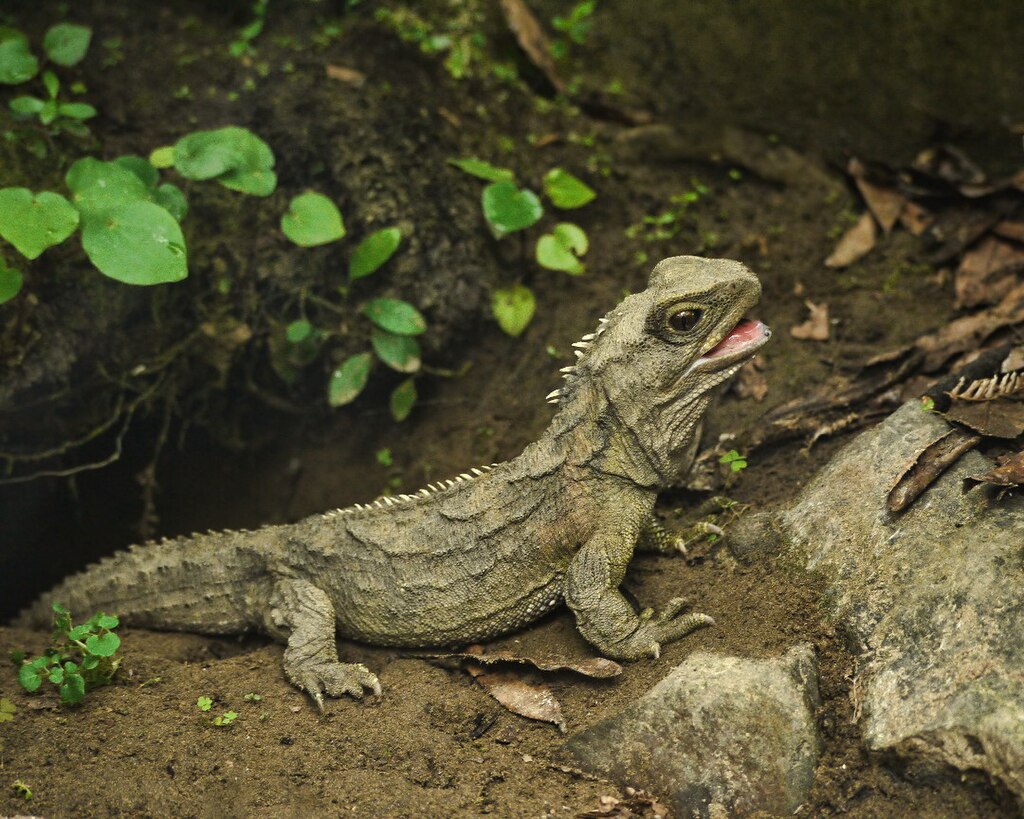
Tuataras
Rhynchocephalia
250M years ago
Rhynchocephalia is an order of reptiles that includes only one living species, the tuatara. Though resembling lizards, they are a distinct lineage that diverged around 250 million years ago. Their genome is one of the largest among vertebrates, significantly larger than that of humans, approximately twice as much.
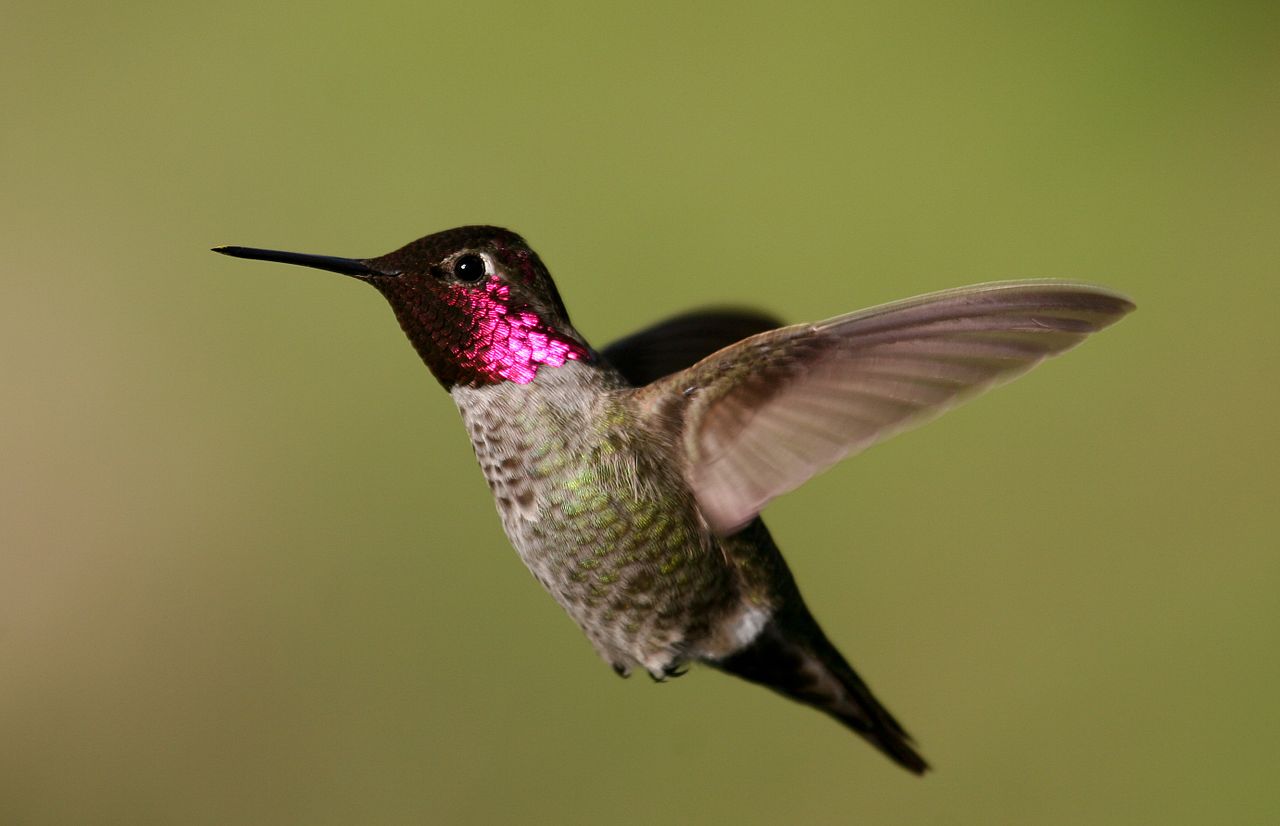
Birds
Aves
150M years ago
Birds are warm-blooded vertebrates with feathers, beaks, and wings. They are known for their ability to fly, although some are flightless.
Mammals
Mammalia
225M years ago
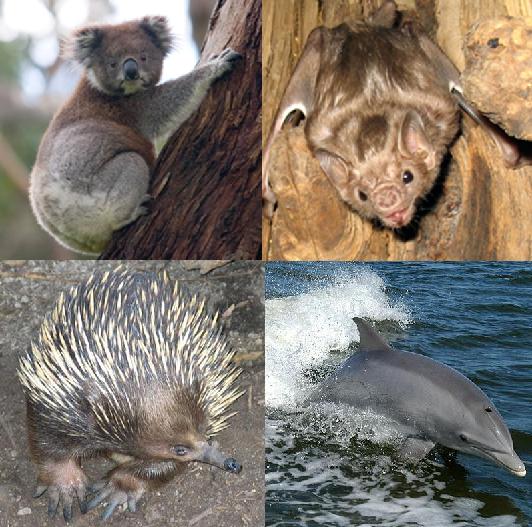
Mammals are warm-blooded vertebrates that have hair or fur and produce milk to feed their young. This group includes primates, whales, kangaaroos, rodents, armadillos, sloths, bats, carnivorans, pangolins, and more.
Ray-finned fishes
Actinopterygii
419M years ago
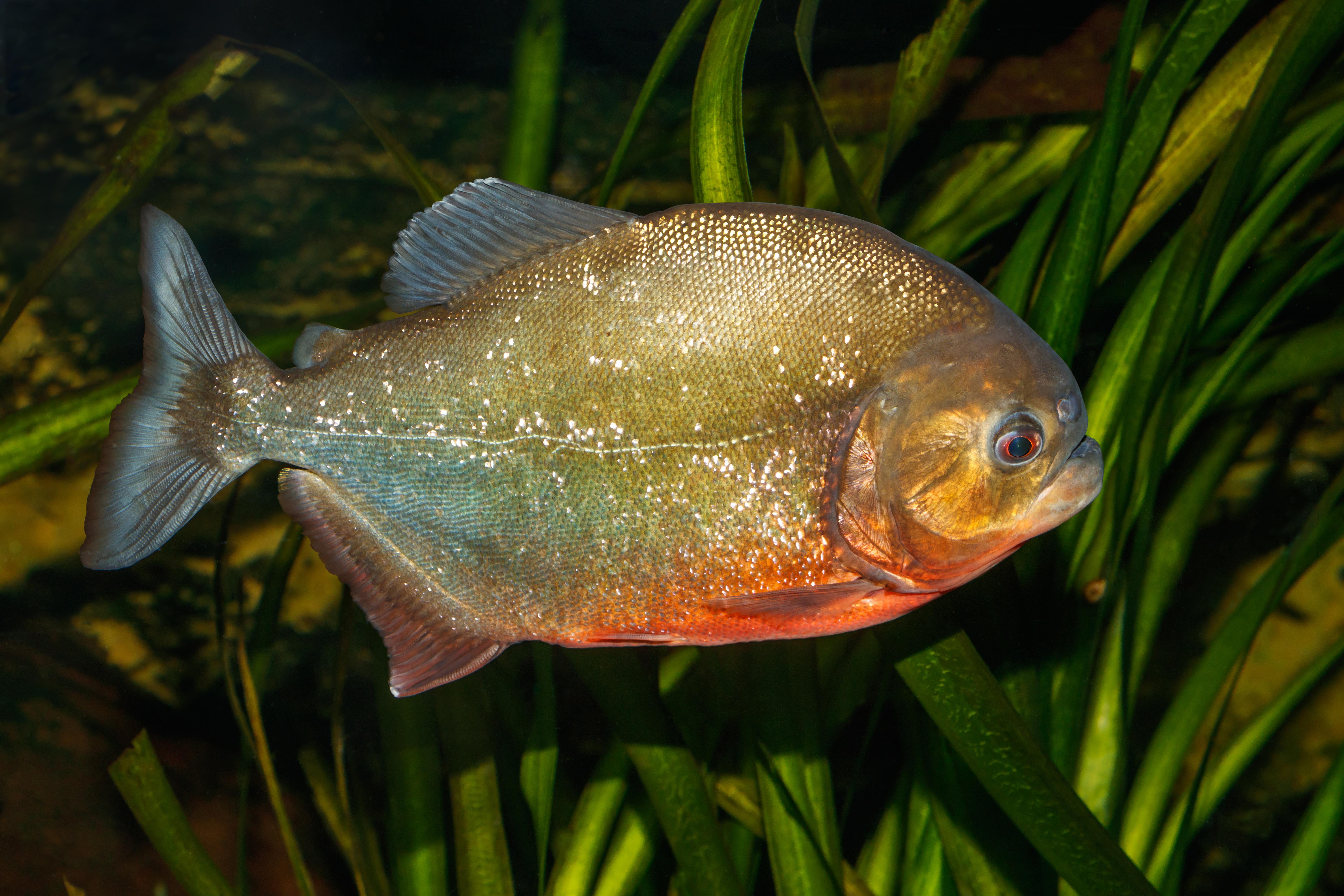
Ray-finned fishes are the most diverse group of fishes, with fins supported by thin, bony spines called rays. They include most of the fish species.
Cartilaginous fishes
Chondrichthyes
395M years ago
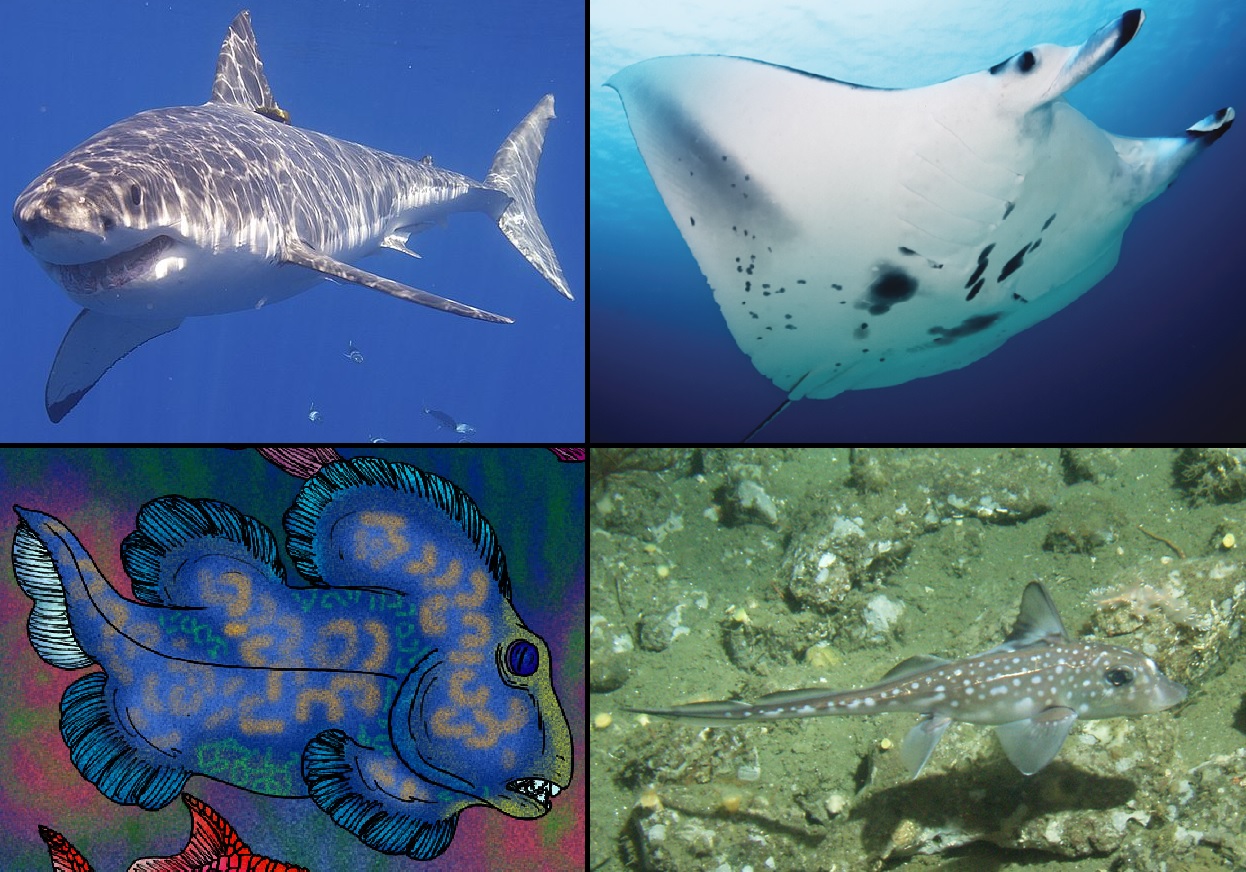
Chondrichthyes is a class of jawed fish that have skeletons primarily composed of cartilage. These include sharks, rays, and chimaeras.
Arthropods
Arthropoda
541M years ago
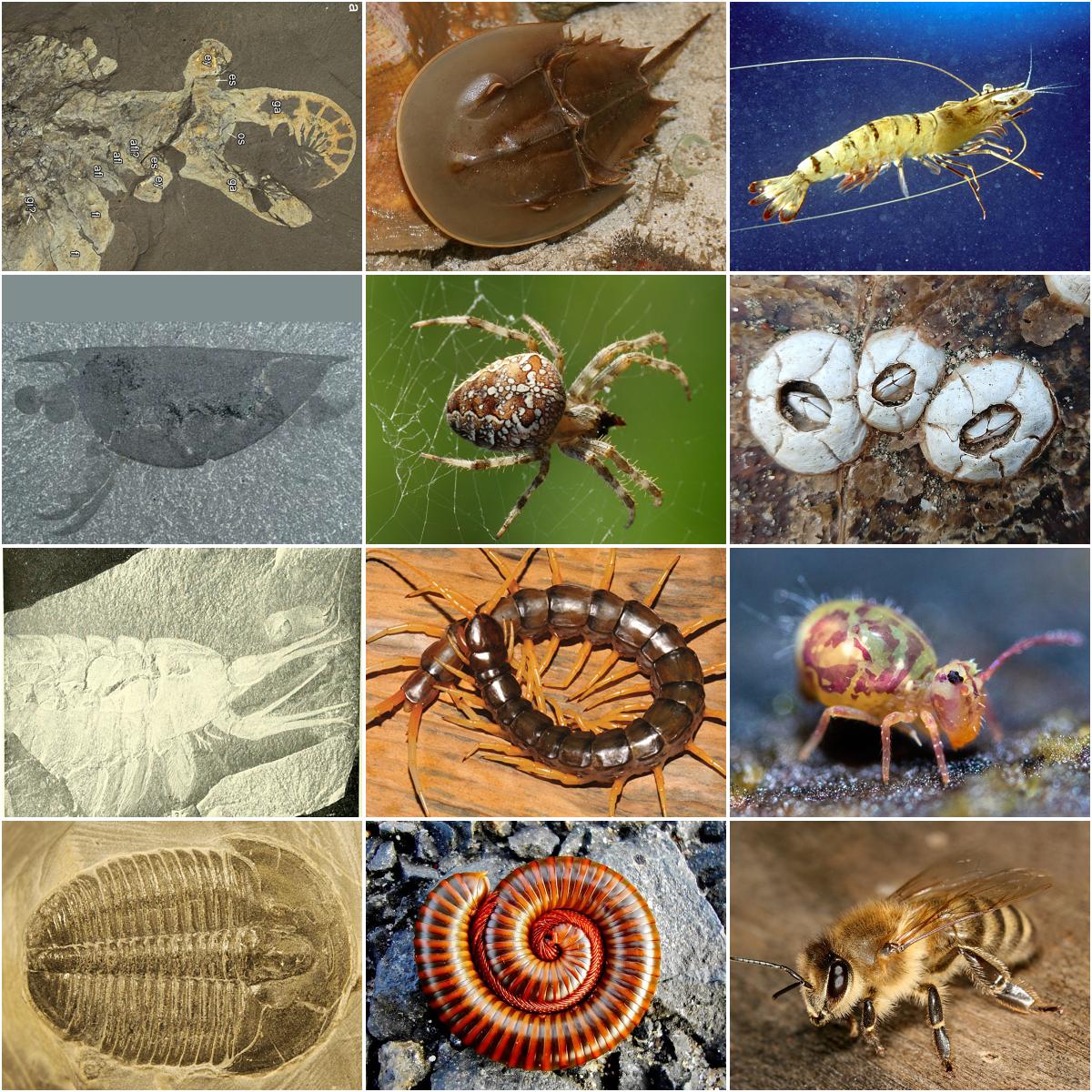
Arthropods are invertebrates with exoskeletons, segmented bodies, and jointed appendages. This phylum includes insects, arachnids, and crustaceans.
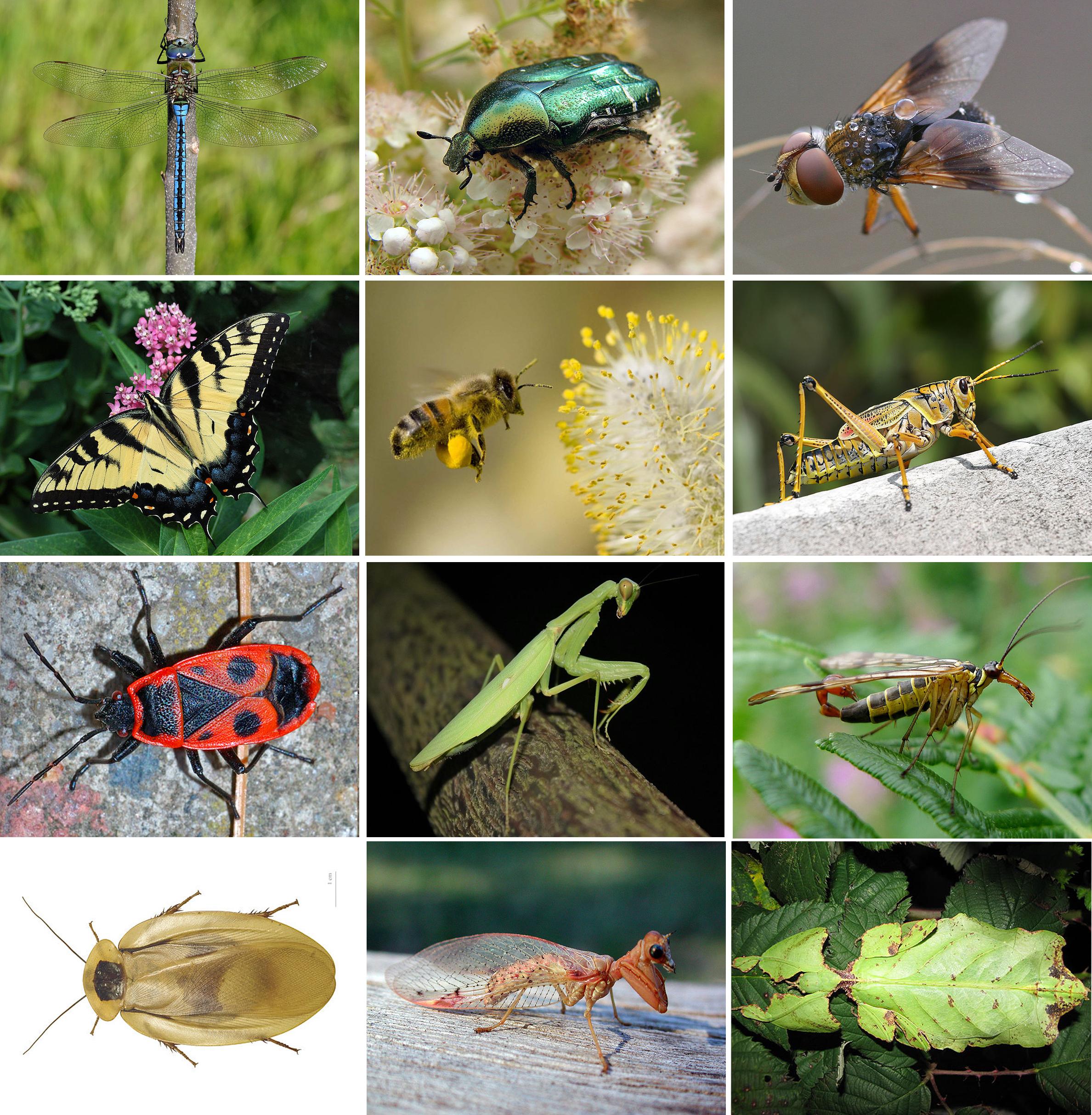
Insects
Insecta
412M years ago
Insects are the most diverse group of animals, with three body segments, six legs, and usually wings. Examples include ants, bees, and butterflies.
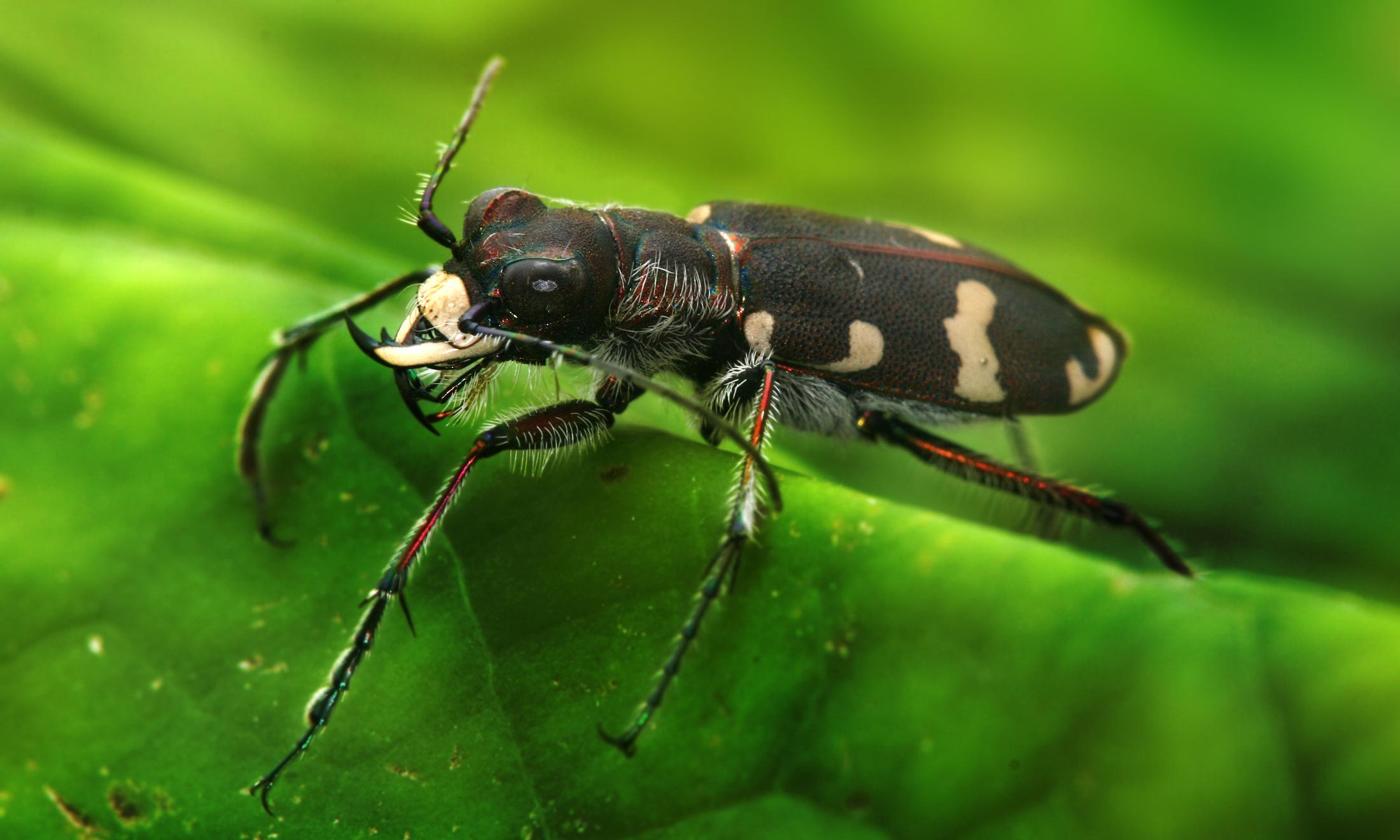
Beetles
Coleoptera
299M years ago
Coleoptera, commonly known as beetles, is the largest order of insects. Beetles have a pair of hardened forewings called elytra and are found in almost every habitat.
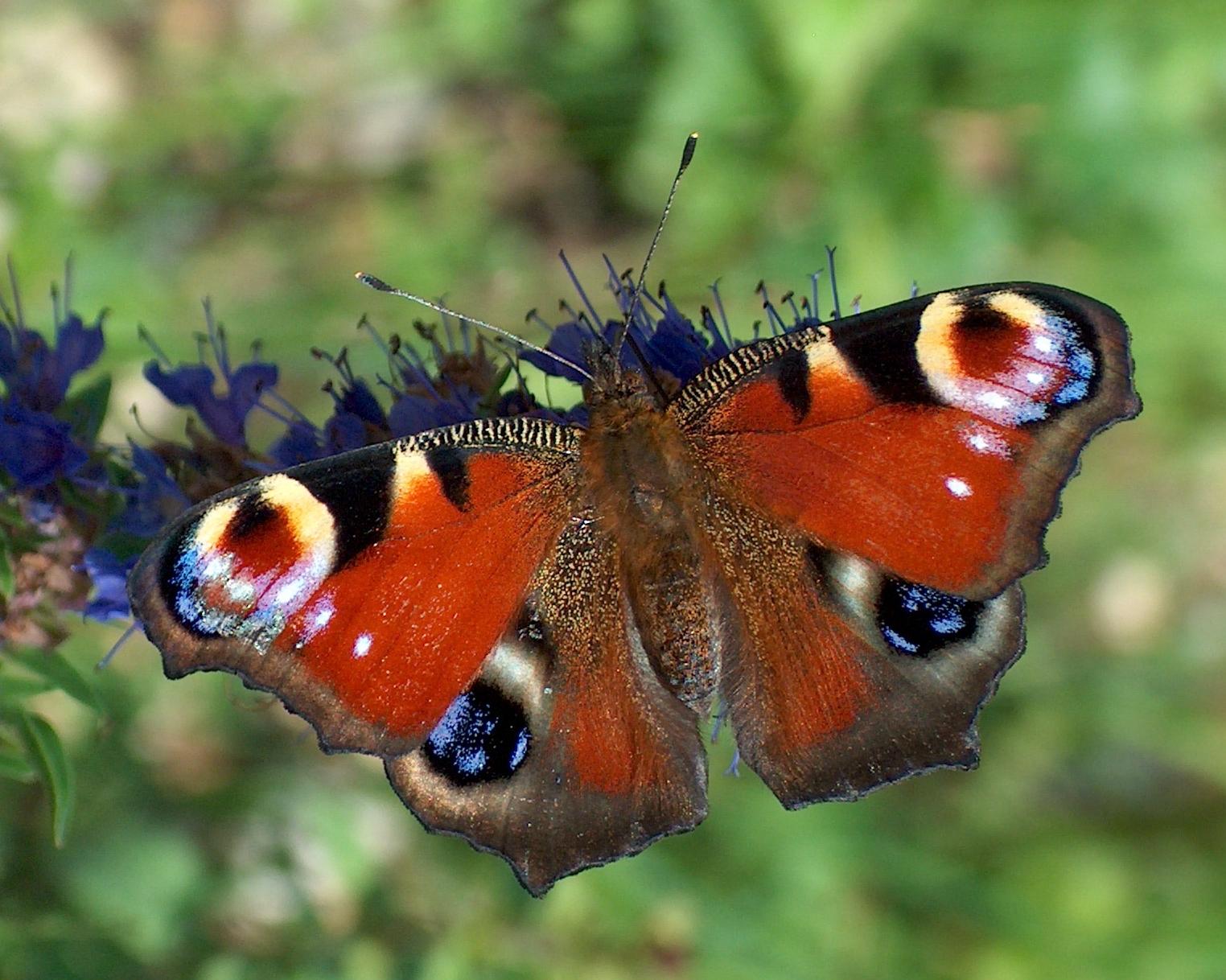
Butterflies and moths
Lepidoptera
200M years ago
Lepidoptera includes butterflies and moths, known for their colorful wings and complex life cycle including metamorphosis from caterpillar to adult.
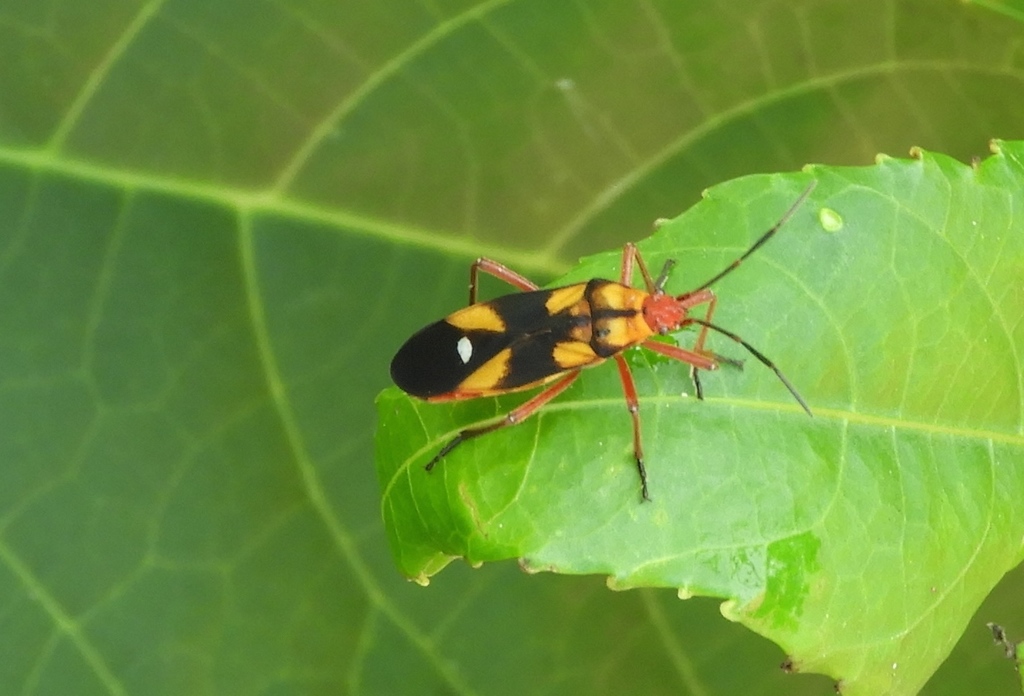
True bugs
Hemiptera
300M years ago
Hemiptera, or true bugs, includes insects like aphids, cicadas, and stink bugs. They are characterized by their piercing-sucking mouthparts.
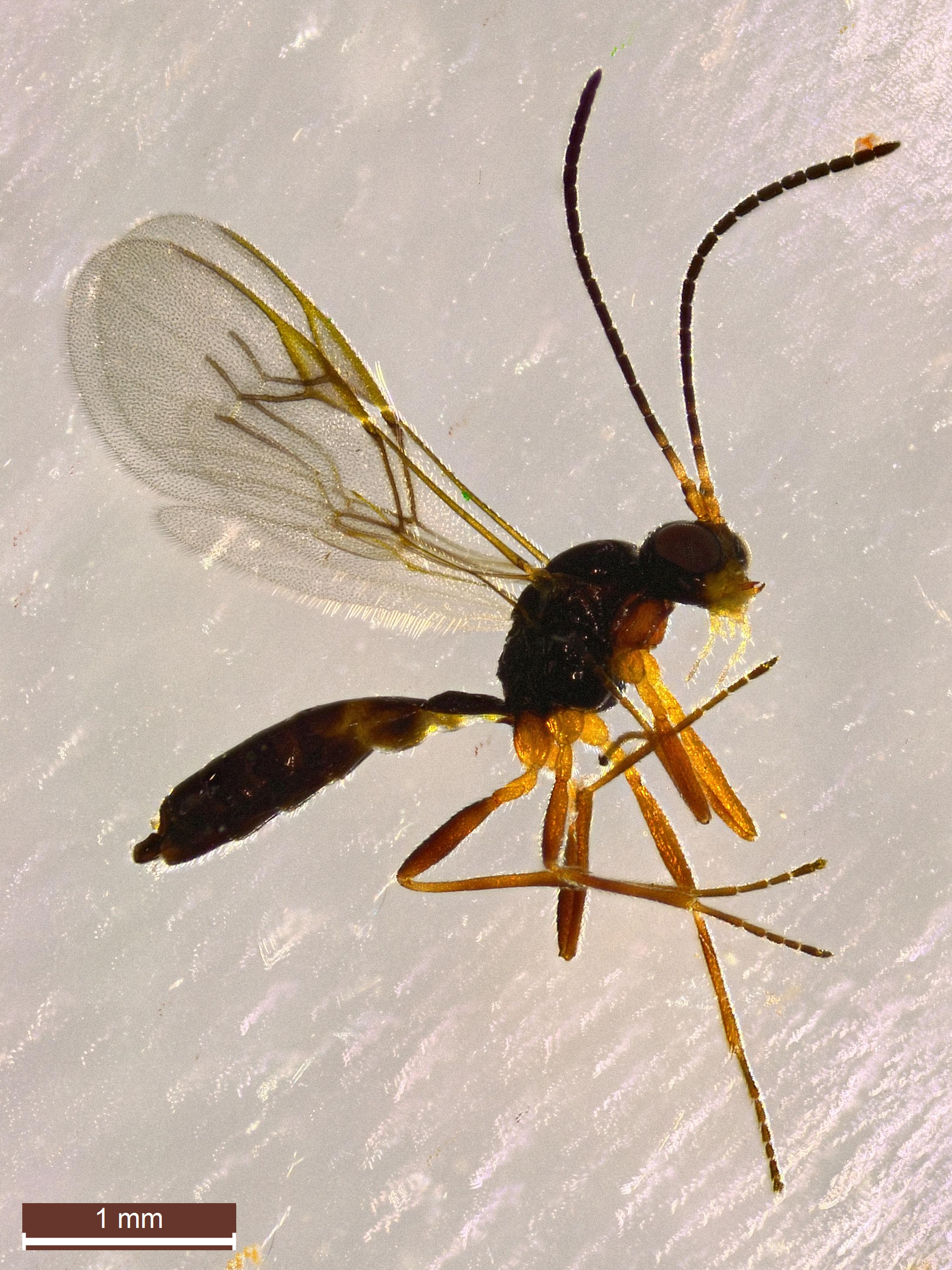
Ants, bees, wasps, and sawflies
Hymenoptera
252M years ago
Hymenoptera is a large order of insects, comprising the sawflies, wasps, bees, and ants, many of which are parasitic.
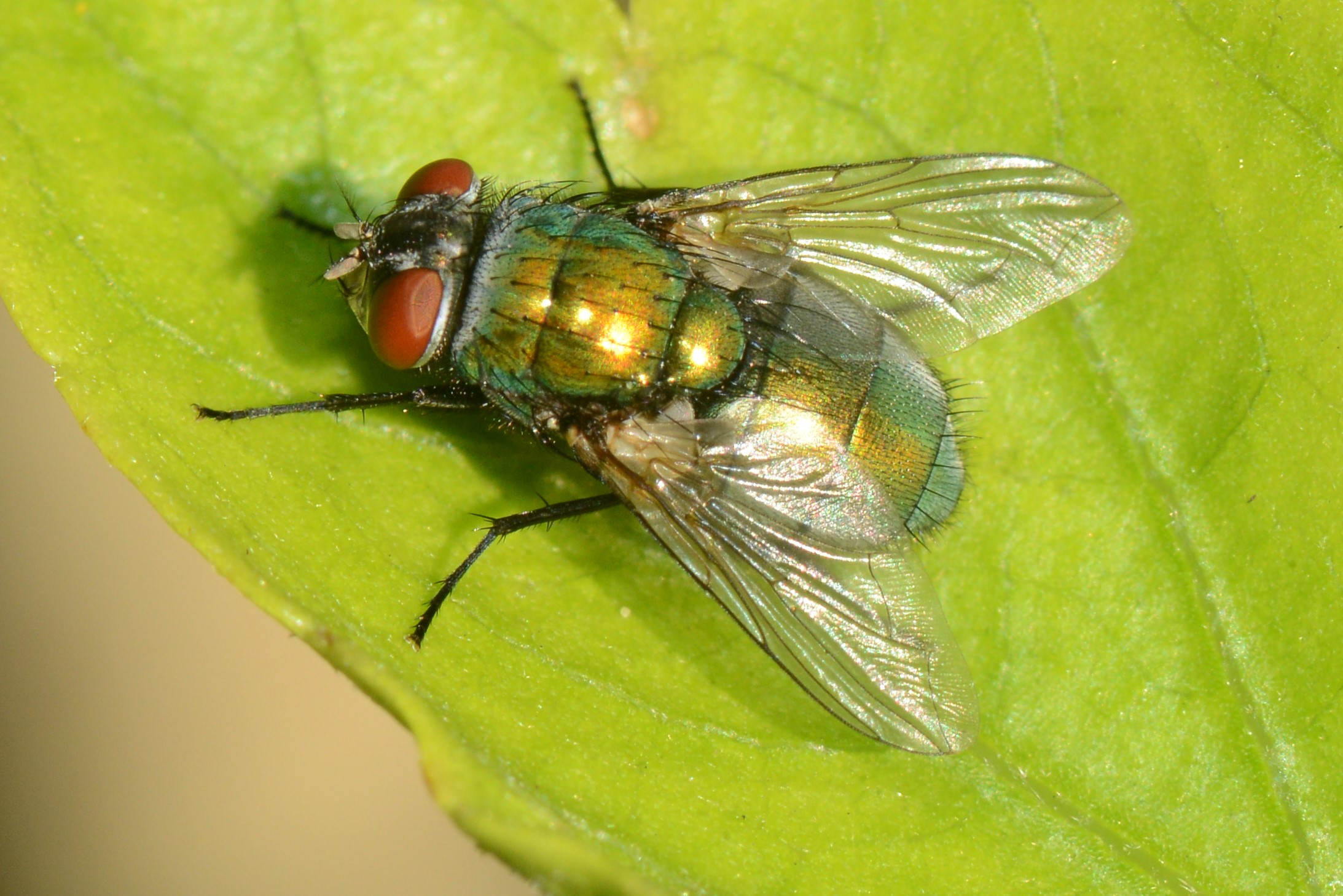
Flies
Diptera
260M years ago
Insects of this order use only a single pair of wings to fly, the hindwings having evolved into advanced mechanosensory organs known as halteres, and allow dipterans to perform advanced aerobatics.
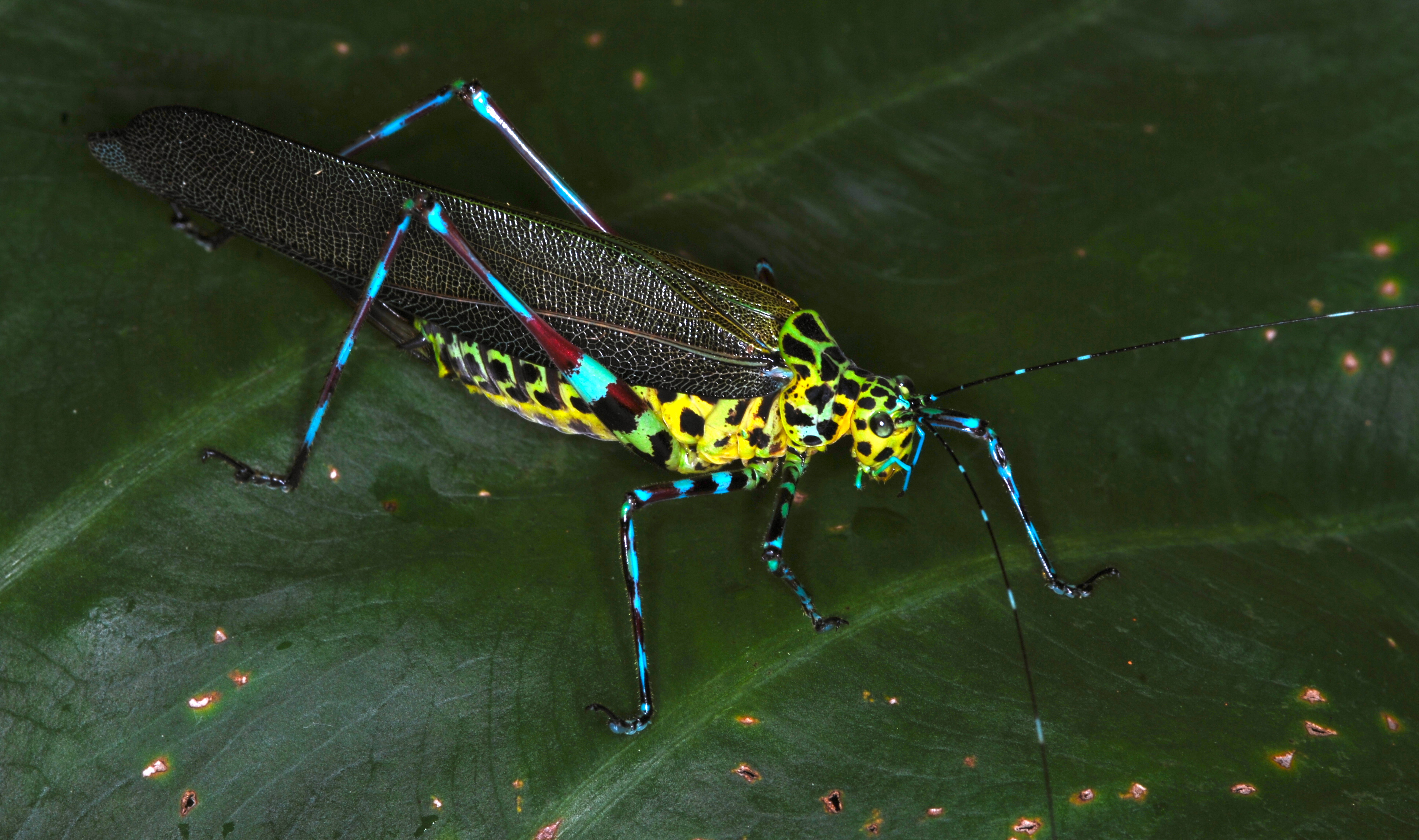
Grasshoppers, crickets, and katydids
Orthoptera
300M years ago
Orthoptera is an order of insects that can fold their wings and produce sounds by rubbing their wings against each other on their legs.
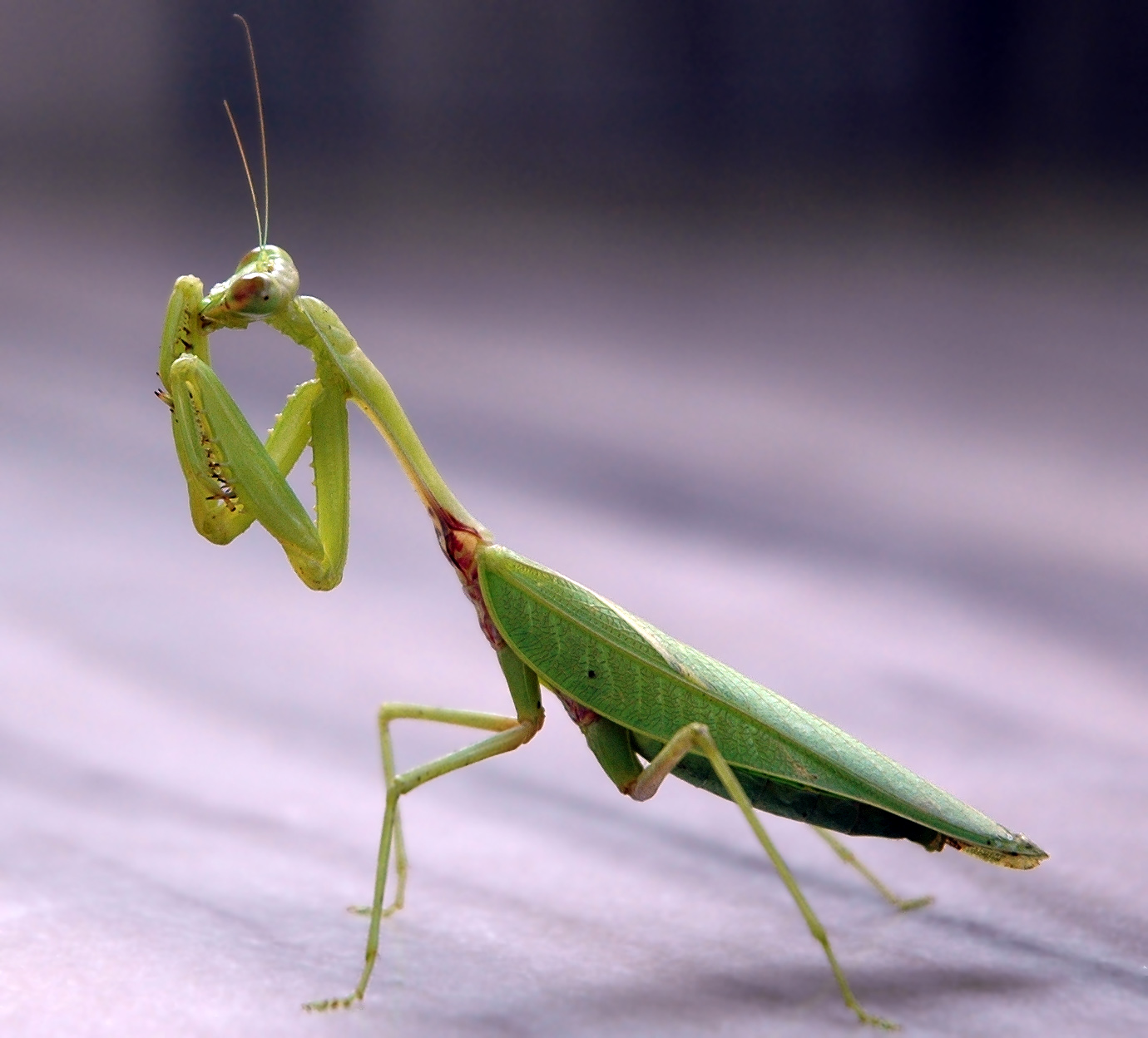
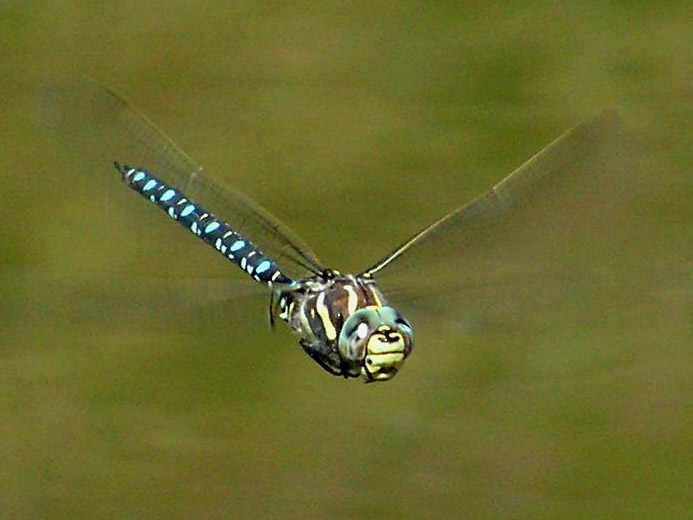
Dragonflies and damselflies
Odonata
325M years ago
Odonata is an order of predatory flying insects that includes dragonflies and damselflies. They are characterized by large, multifaceted eyes, two pairs of strong, transparent wings, and an elongated body.
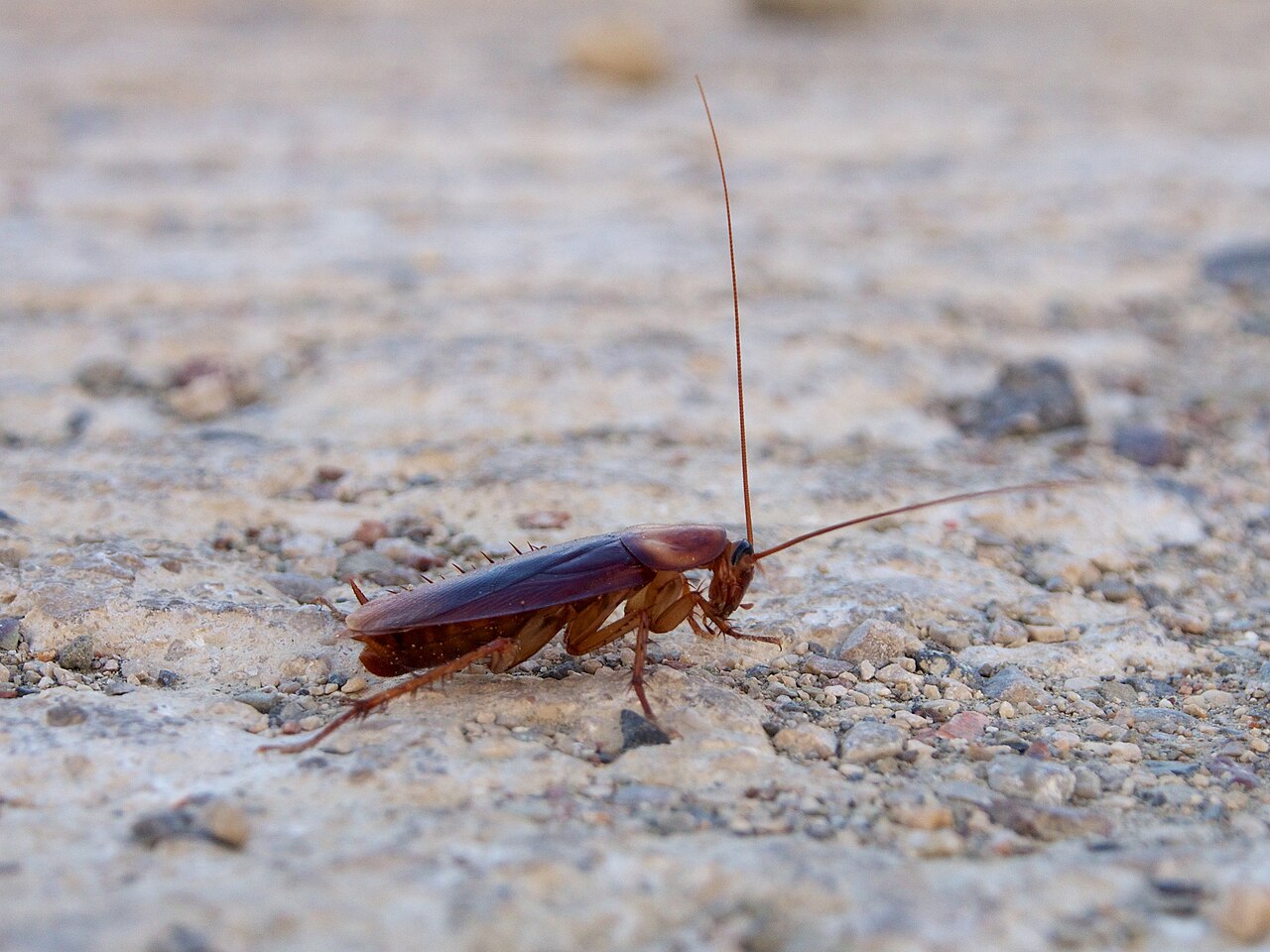
Cockroaches and termites
Blattodea
300M years ago
Blattodea is an order of insects that contains cockroaches and termites. They are known for their flattened bodies and are often found in close association with humans or in natural habitats.
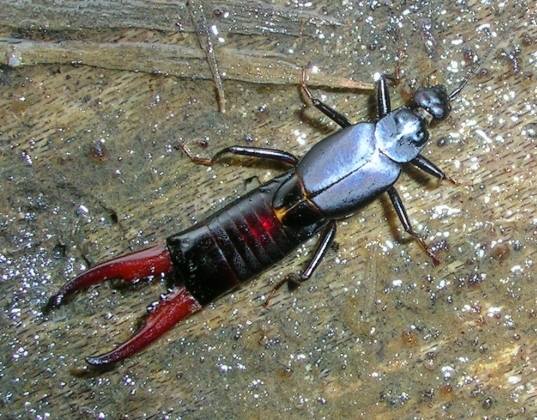
Earwigs
Dermaptera
208M years ago
Dermaptera is an order of insects commonly known as earwigs. They are characterized by a pair of pincer-like cerci on their abdomen and are mostly nocturnal.
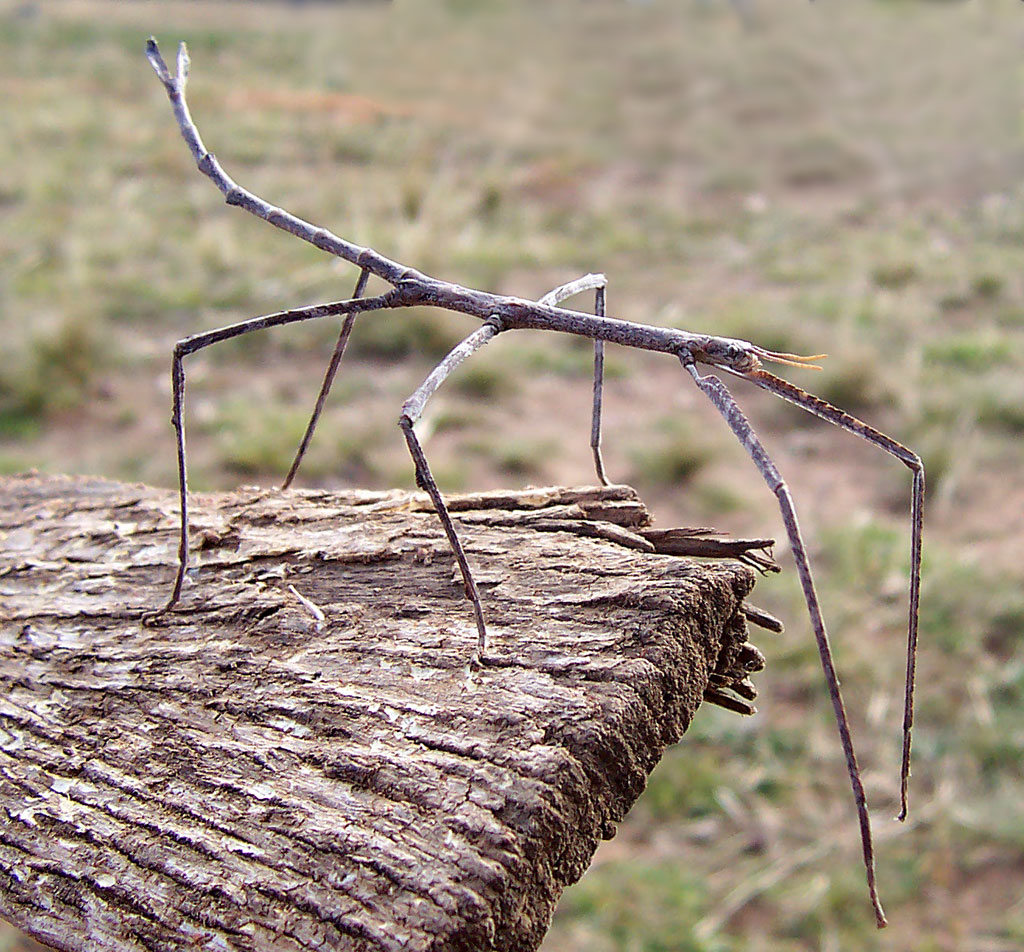
Stick insects
Phasmatodea
122M years ago
Phasmatodea is an order of insects known as stick insects or walking sticks. They are renowned for their camouflage, which makes them resemble sticks or leaves.
Arachnids
Arachnida
420M years ago
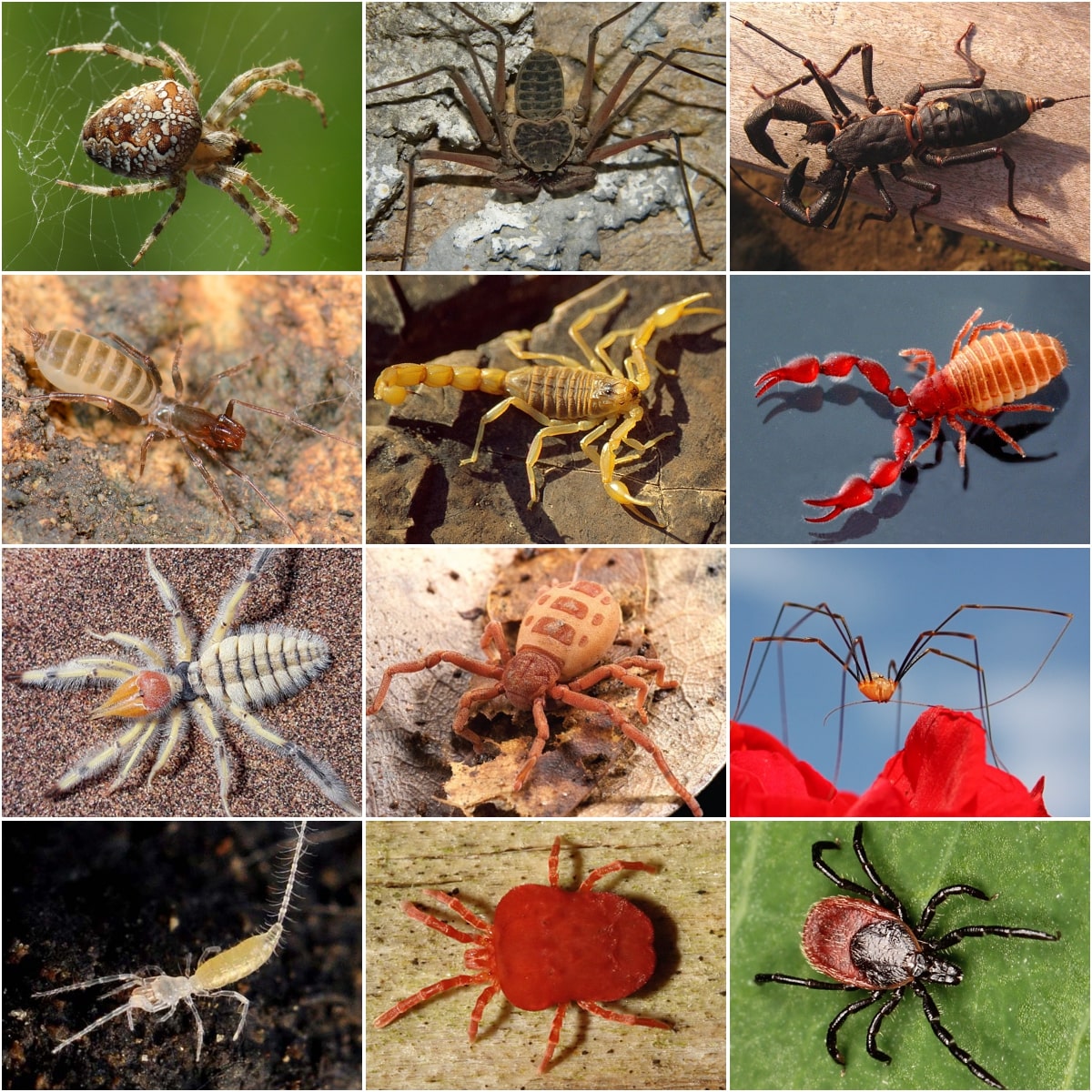
Arachnids have eight legs and include spiders, scorpions, and ticks. They do not have antennae or wings.
Spiders
Araneae
386M years ago
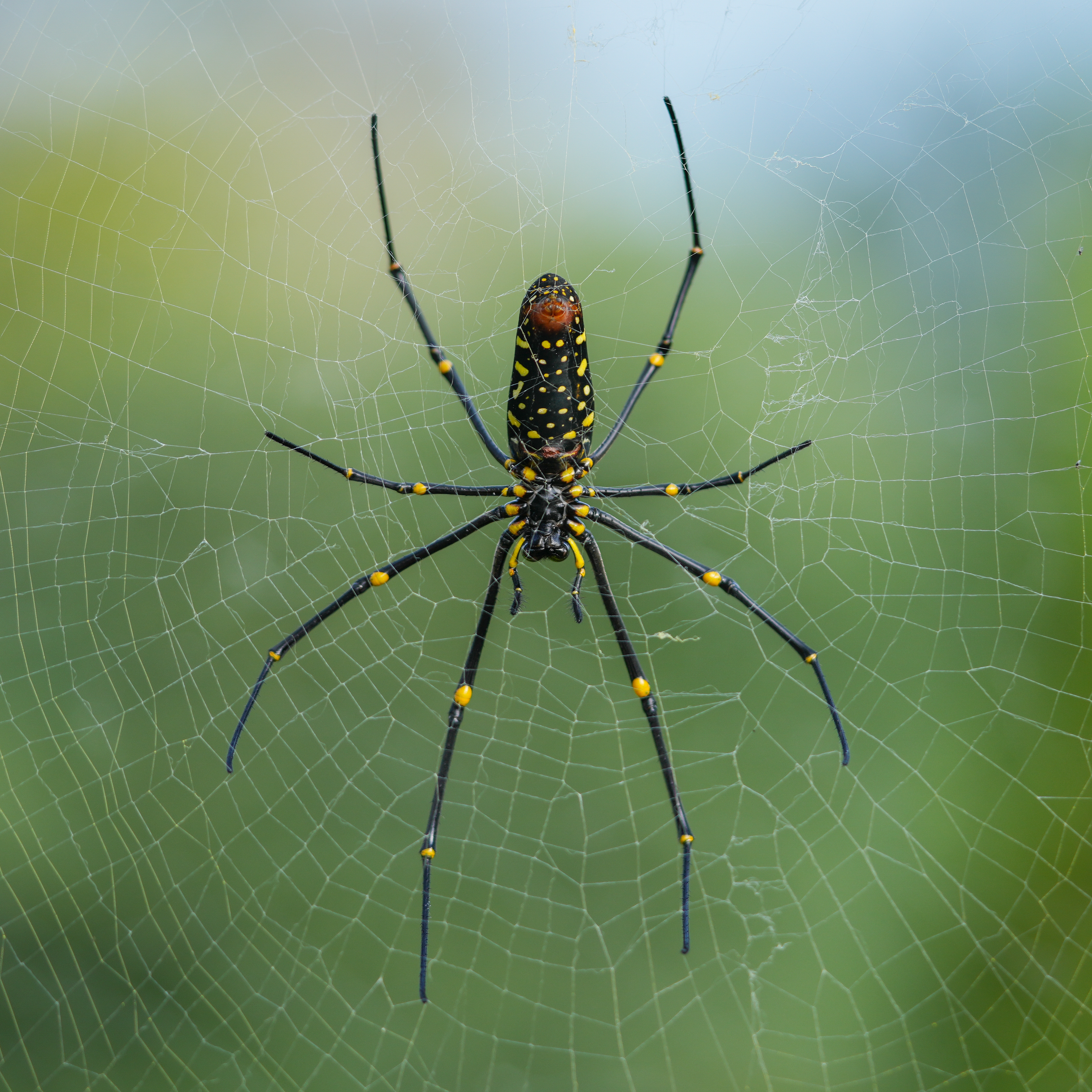
Araneae includes spiders, known for their silk-spinning abilities and varied hunting strategies. They have eight legs and typically possess venomous fangs.
Scorpions
Scorpiones
437M years ago
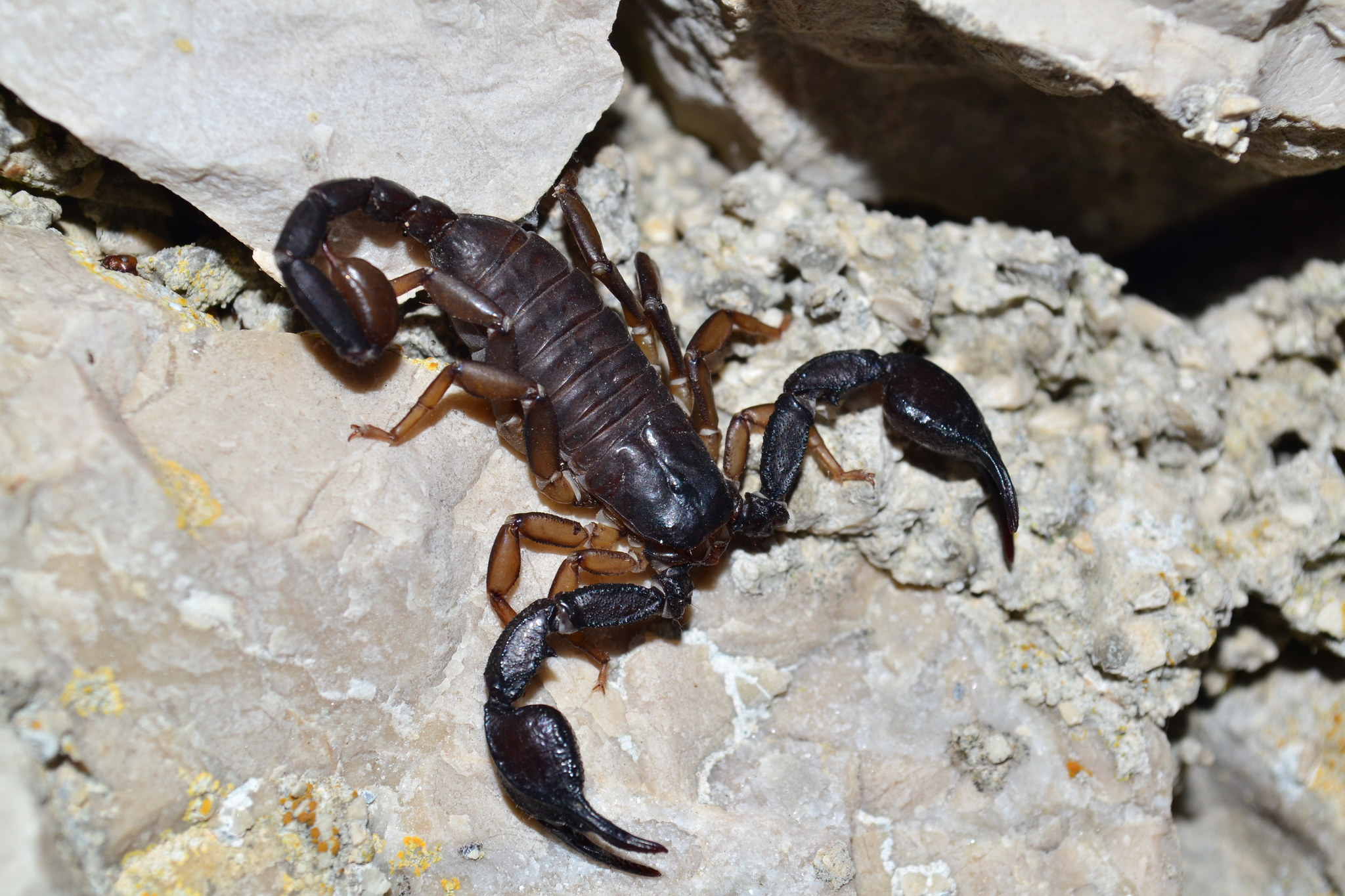
Scorpiones includes scorpions, characterized by their pincers and venomous stinger. They are often found in desert environments.
Mites and ticks
Acari
400M years ago
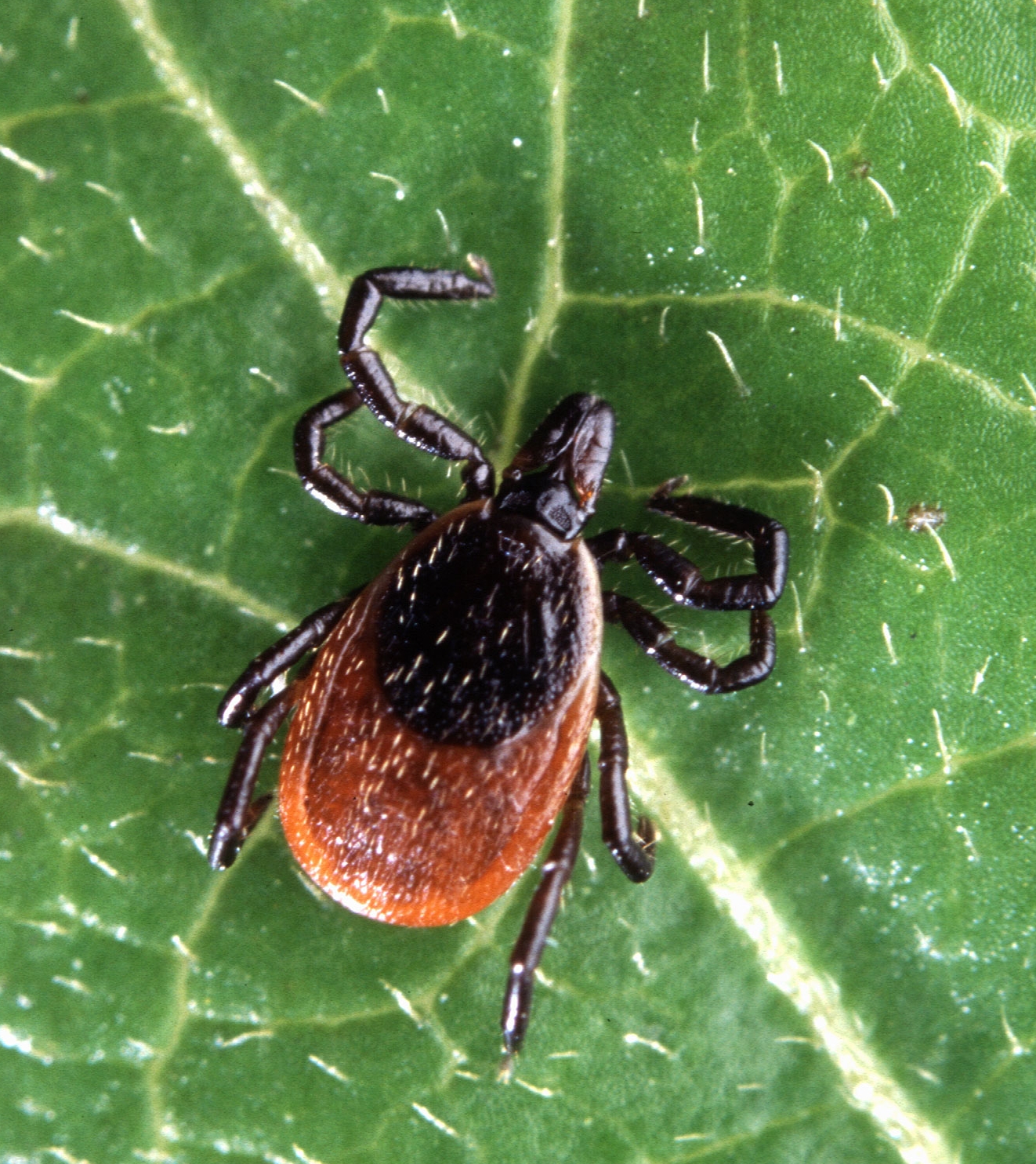
Acari includes mites and ticks, which are small arachnids that can be parasites or free-living. They have diverse habitats and can impact agriculture and health.
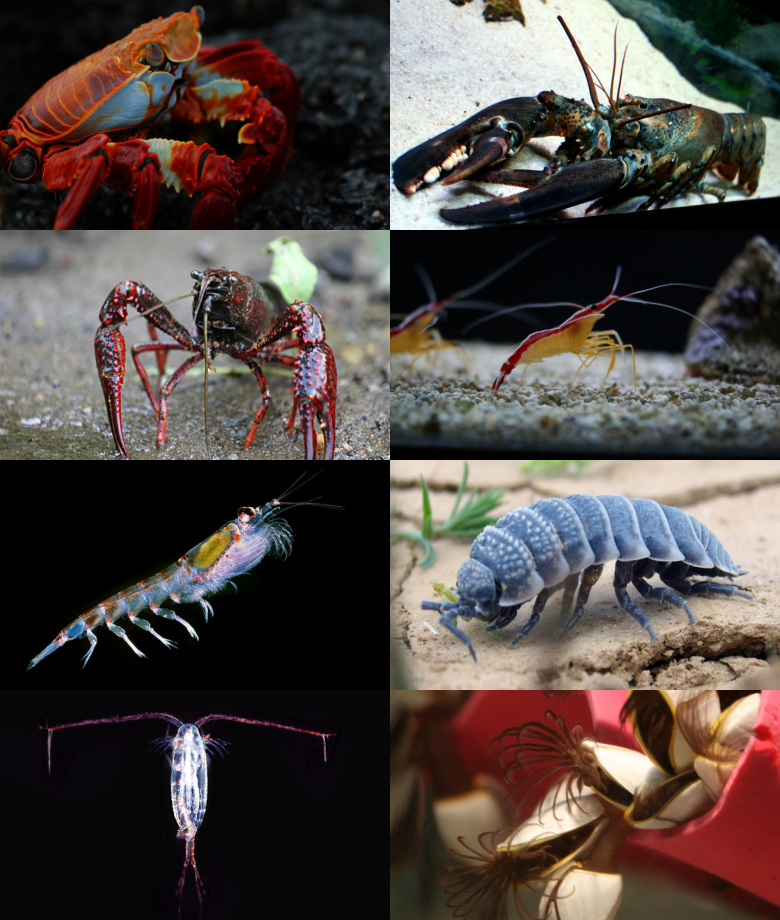
Crustaceans
Crustacea
511M years ago
Crustaceans are aquatic arthropods with a hard exoskeleton, including crabs, lobsters, and shrimp.
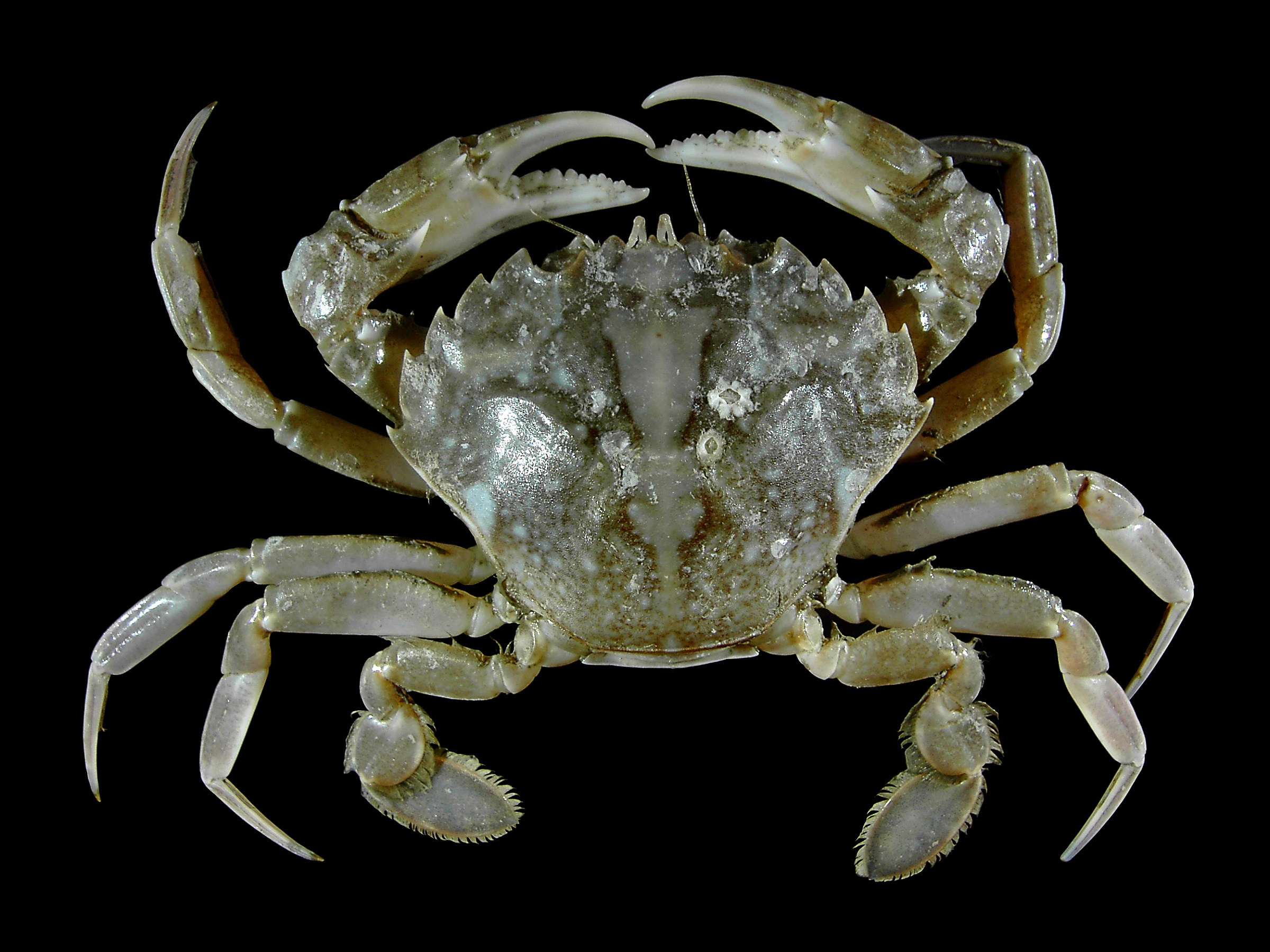
Crabs, Lobsters, and Shrimp
Decapoda
455M years ago
Decapoda is an order of crustaceans that includes many familiar species such as crabs, lobsters, and shrimp. They have ten limbs and a hard exoskeleton.
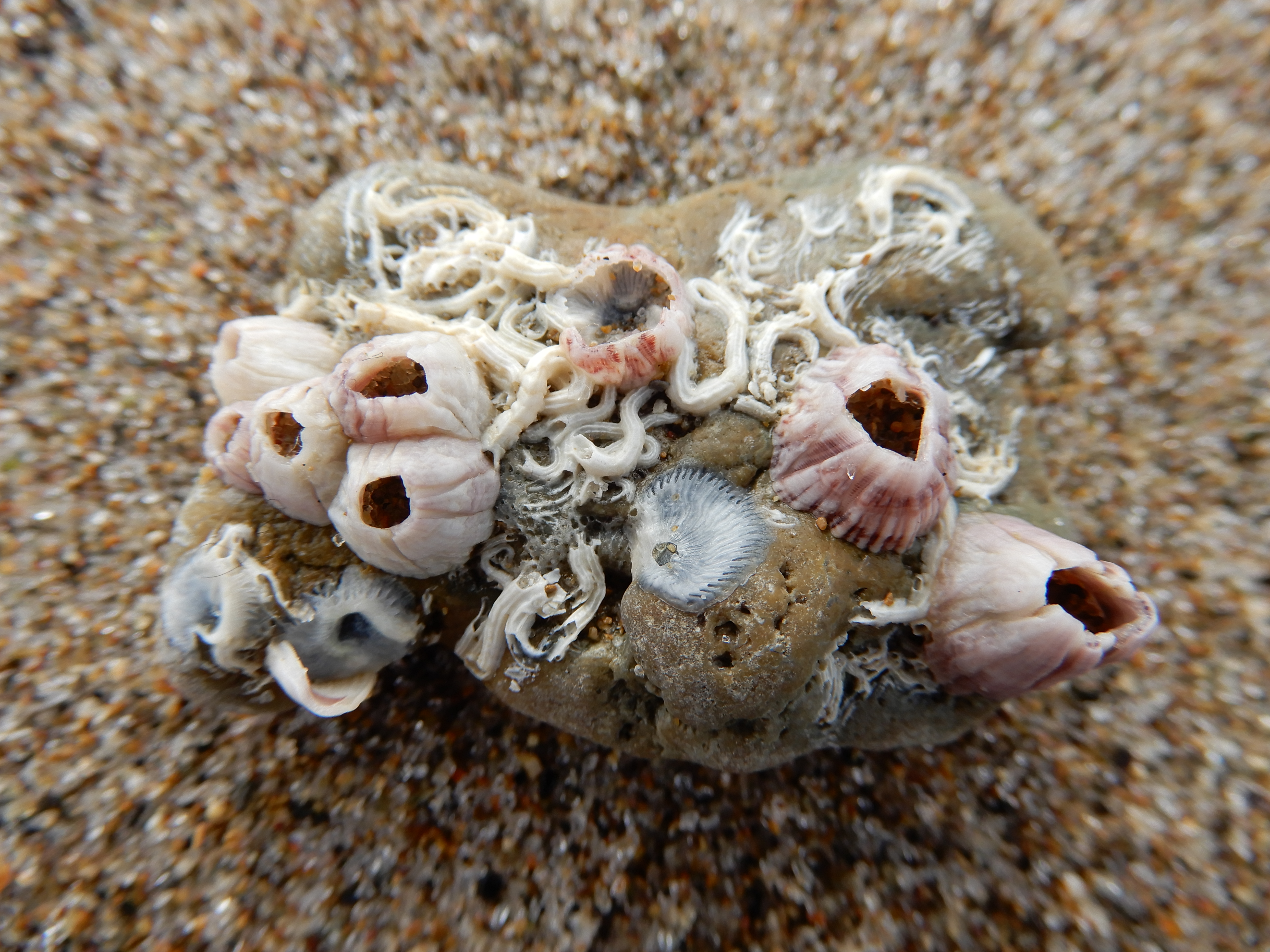
Barnacles
Cirripedia
300M years ago
Cirripedia includes barnacles, which are sessile crustaceans that attach themselves to surfaces like rocks and ship hulls.
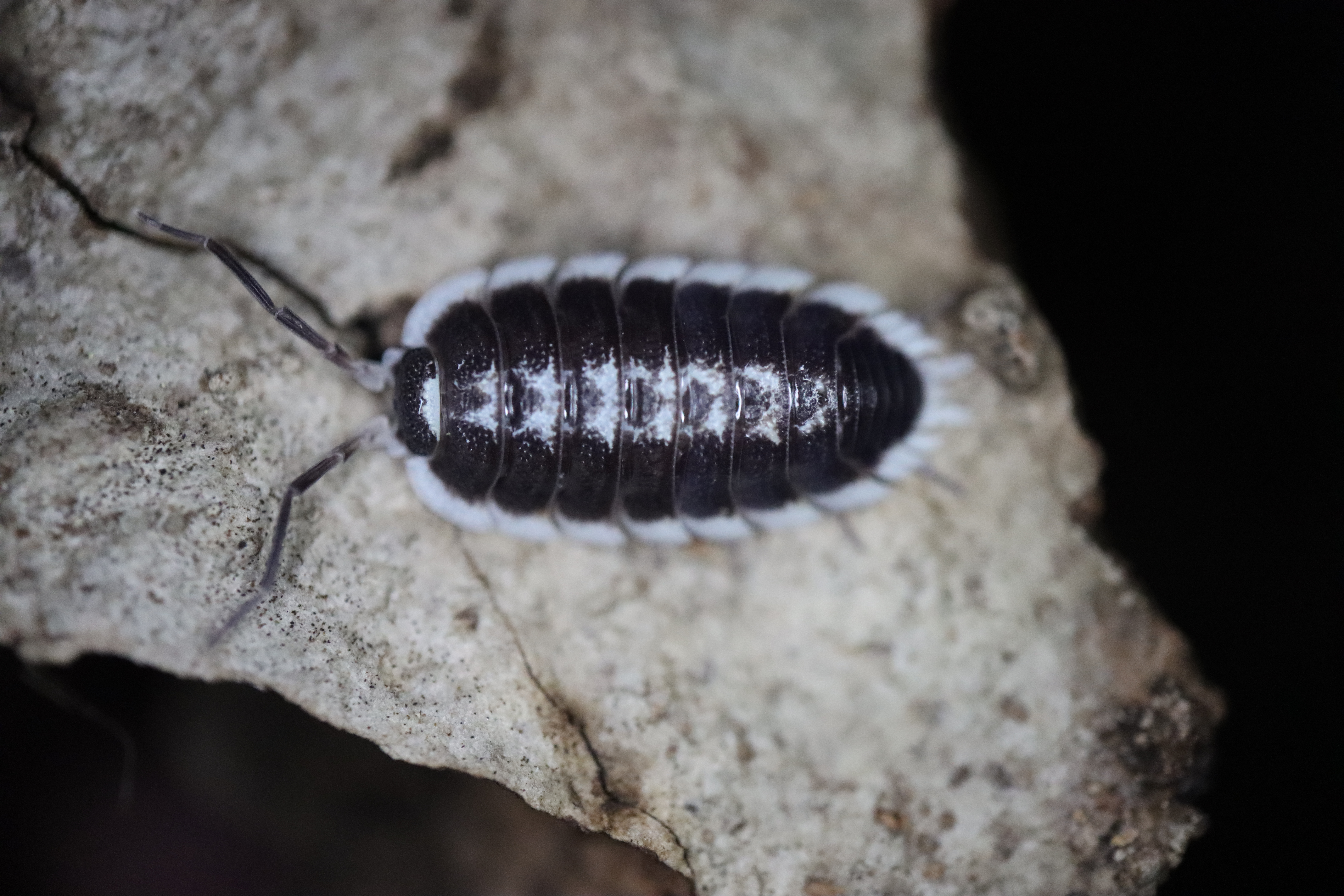
Pillbugs and Woodlice
Isopoda
300M years ago
Isopoda includes terrestrial and aquatic crustaceans like pillbugs and woodlice. They are characterized by their flattened bodies and are often found in damp environments.
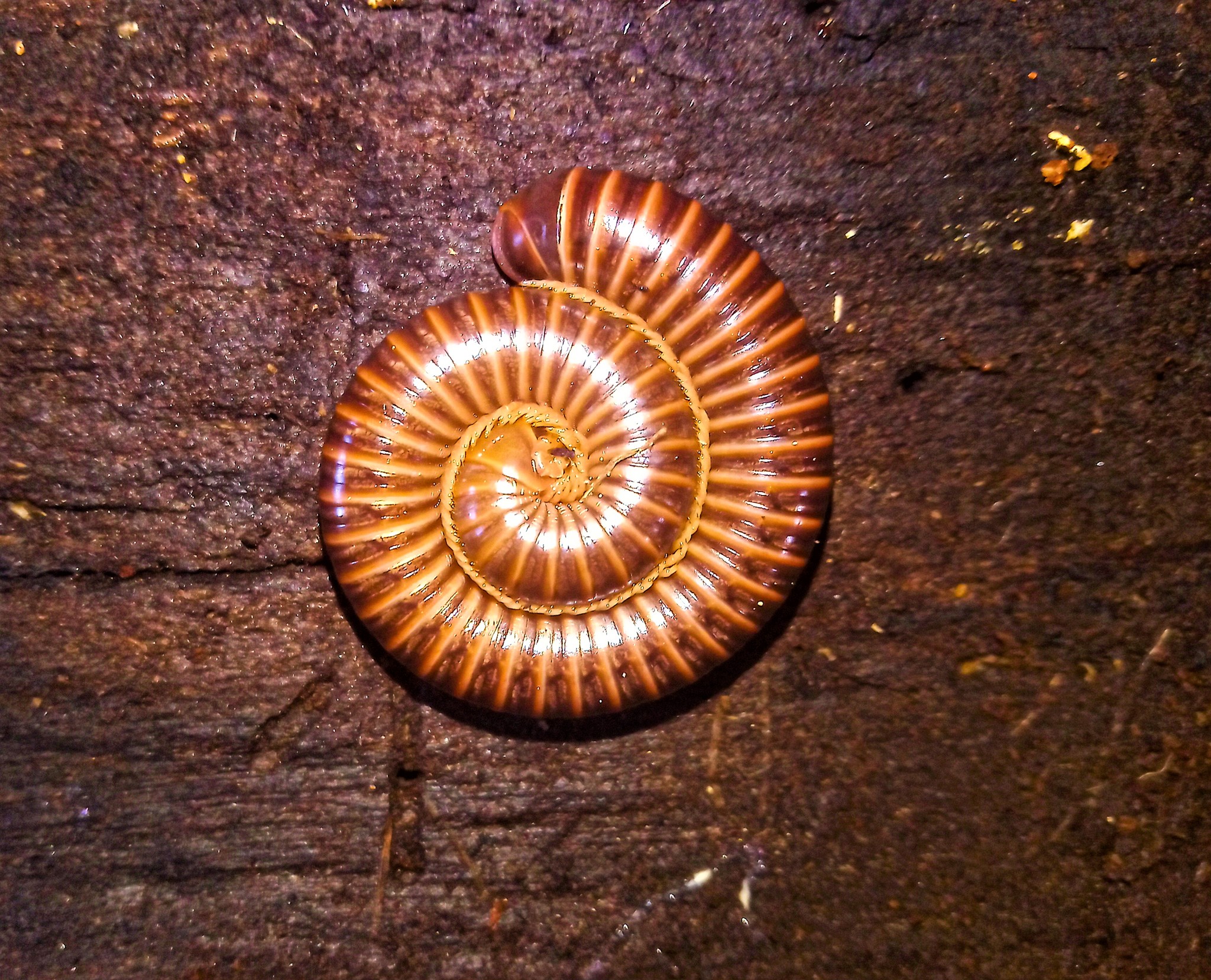
Myriapods
Myriapoda
428M years ago
Myriapods include millipedes and centipedes, characterized by many body segments and numerous legs.
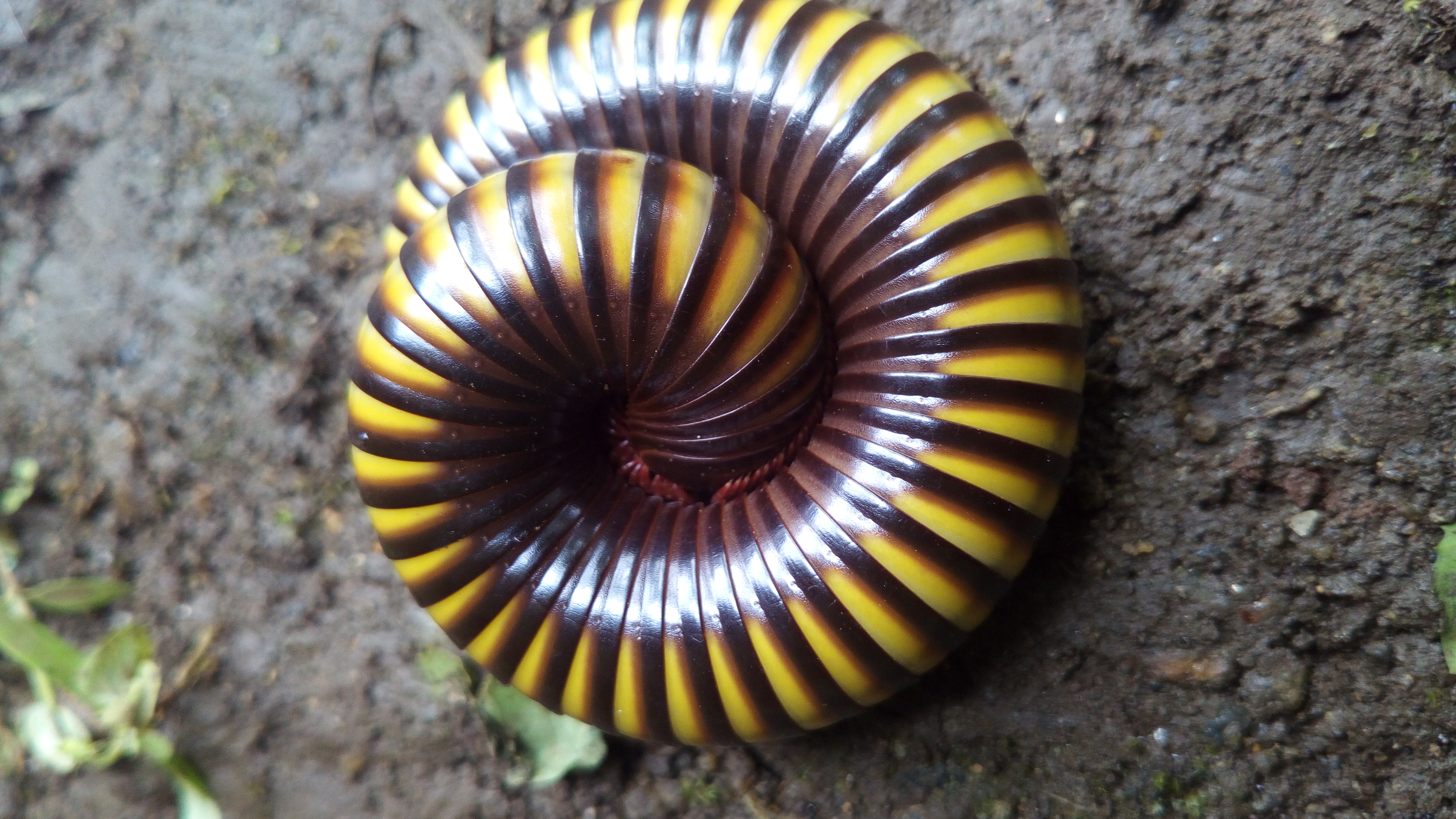
Millipedes
Diplopoda
428M years ago
Diplopoda includes millipedes, which have two pairs of legs per body segment and are primarily detritivores, feeding on decomposing plant matter.
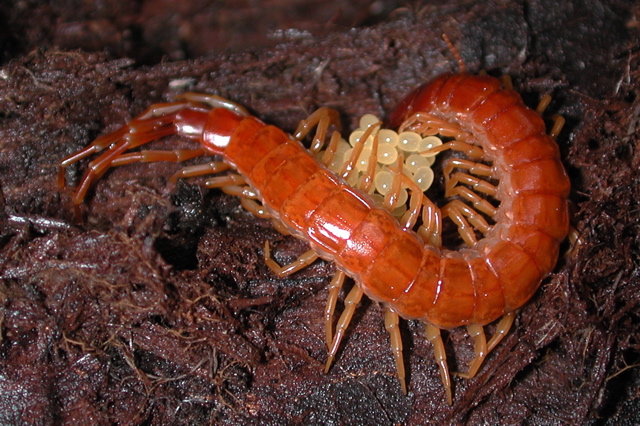
Centipedes
Chilopoda
430M years ago
Chilopoda includes centipedes, which have one pair of legs per body segment and are predatory, feeding on small insects and other invertebrates.
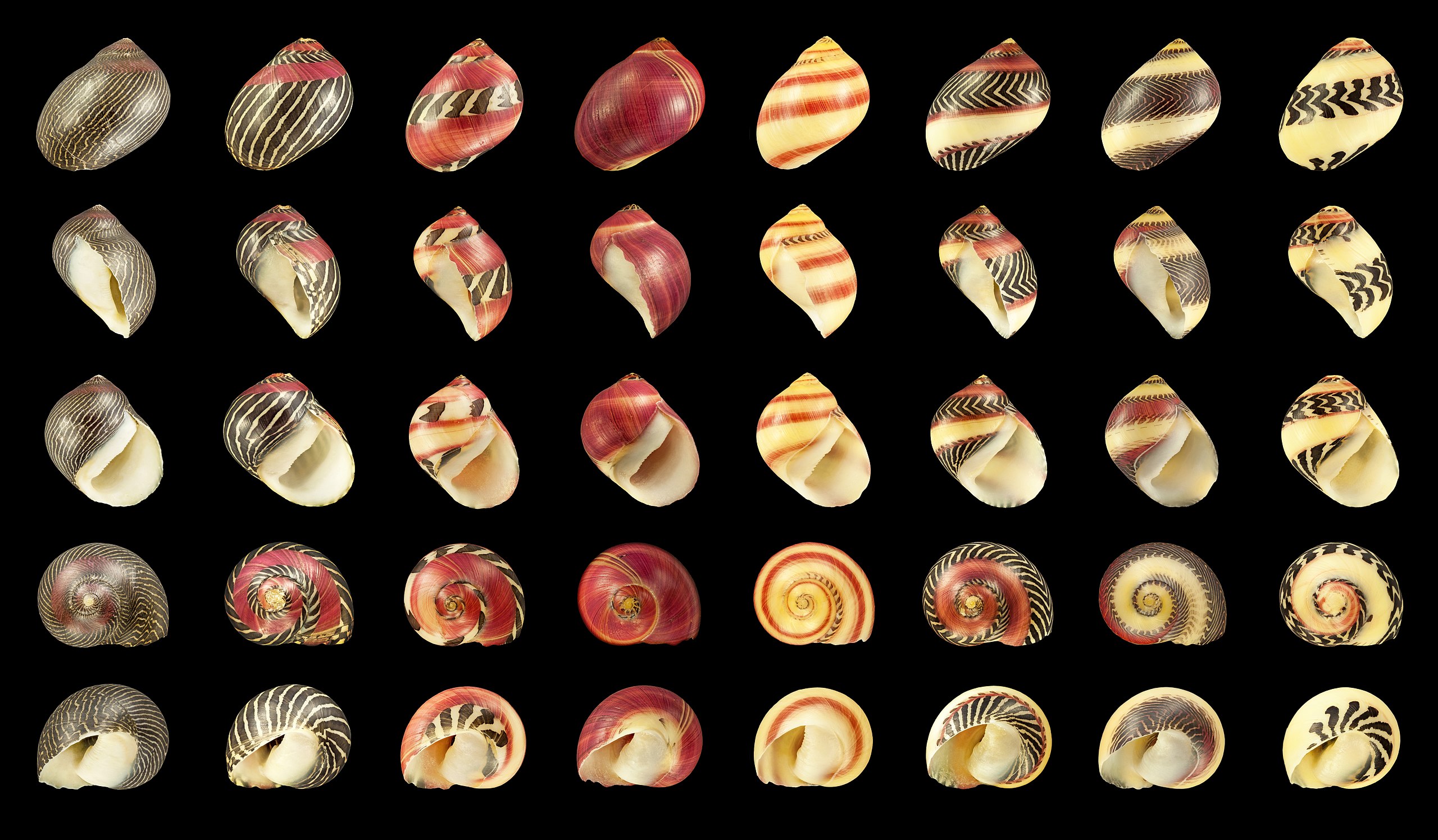
Mollusks
Mollusca
540M years ago
Mollusks are soft-bodied animals, often with a hard shell. This phylum includes snails, clams, and octopuses.
Snails and slugs
Gastropoda
540M years ago
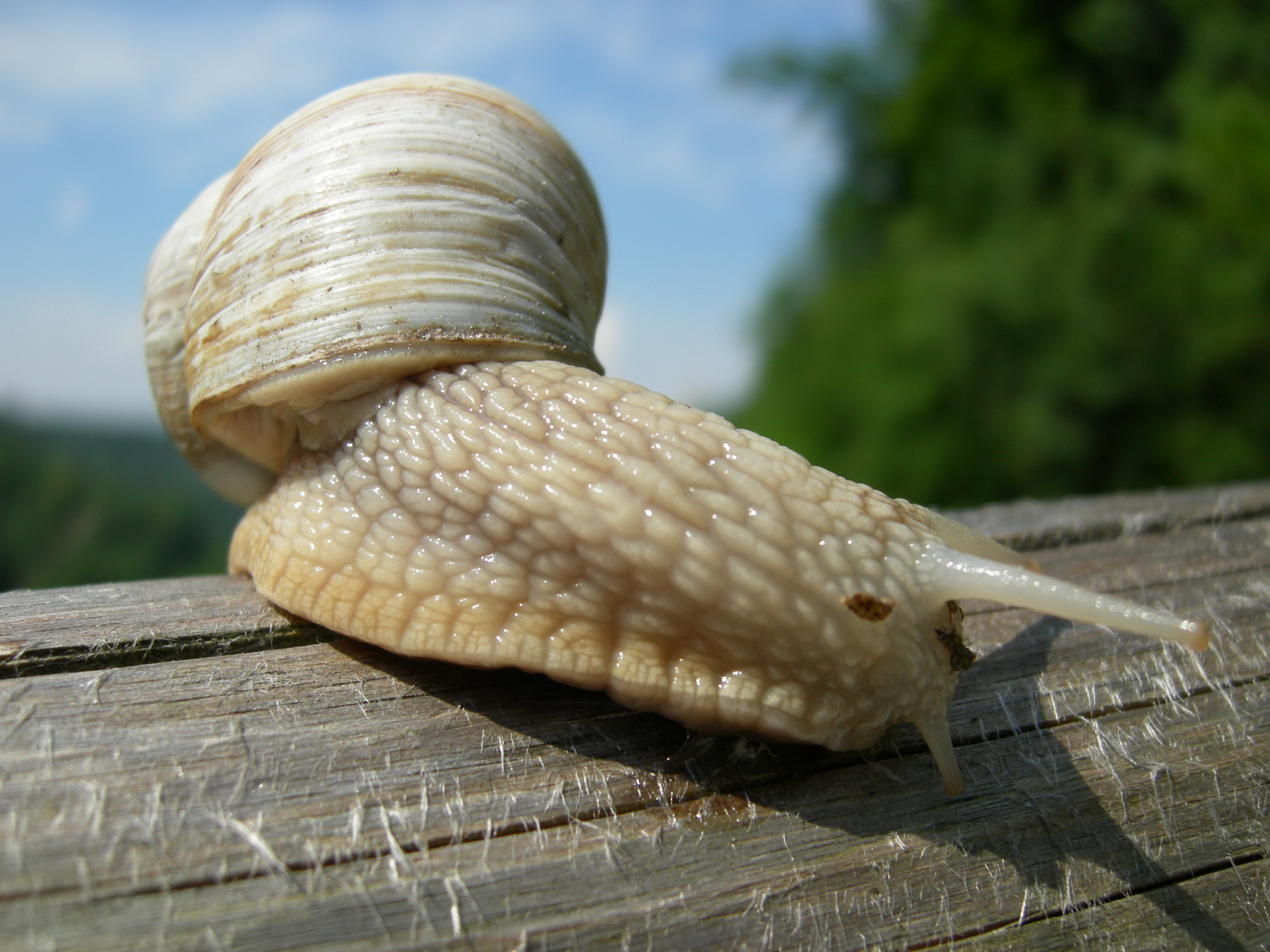
Gastropods are mollusks with a single, often spirally shell or none at all. They include snails and slugs.
Nudibranchs
Nudibranchia
145M years ago
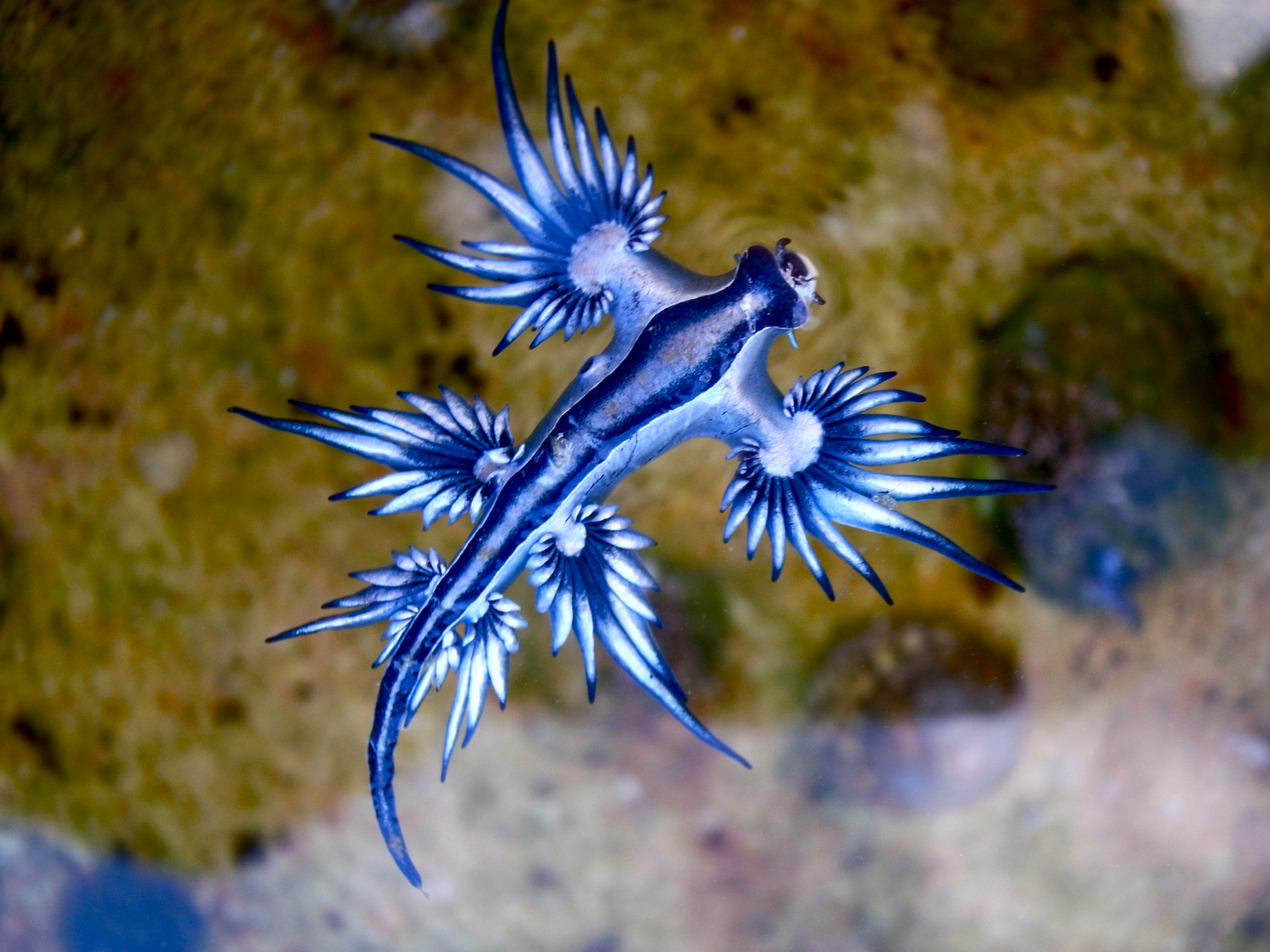
Nudibranchs are an order of soft-bodied marine gastropod mollusks that shed their shells after their larval stage. They are noted for their often extraordinary colours and striking forms.
Land snails and slugs
Pulmonata
150M years ago
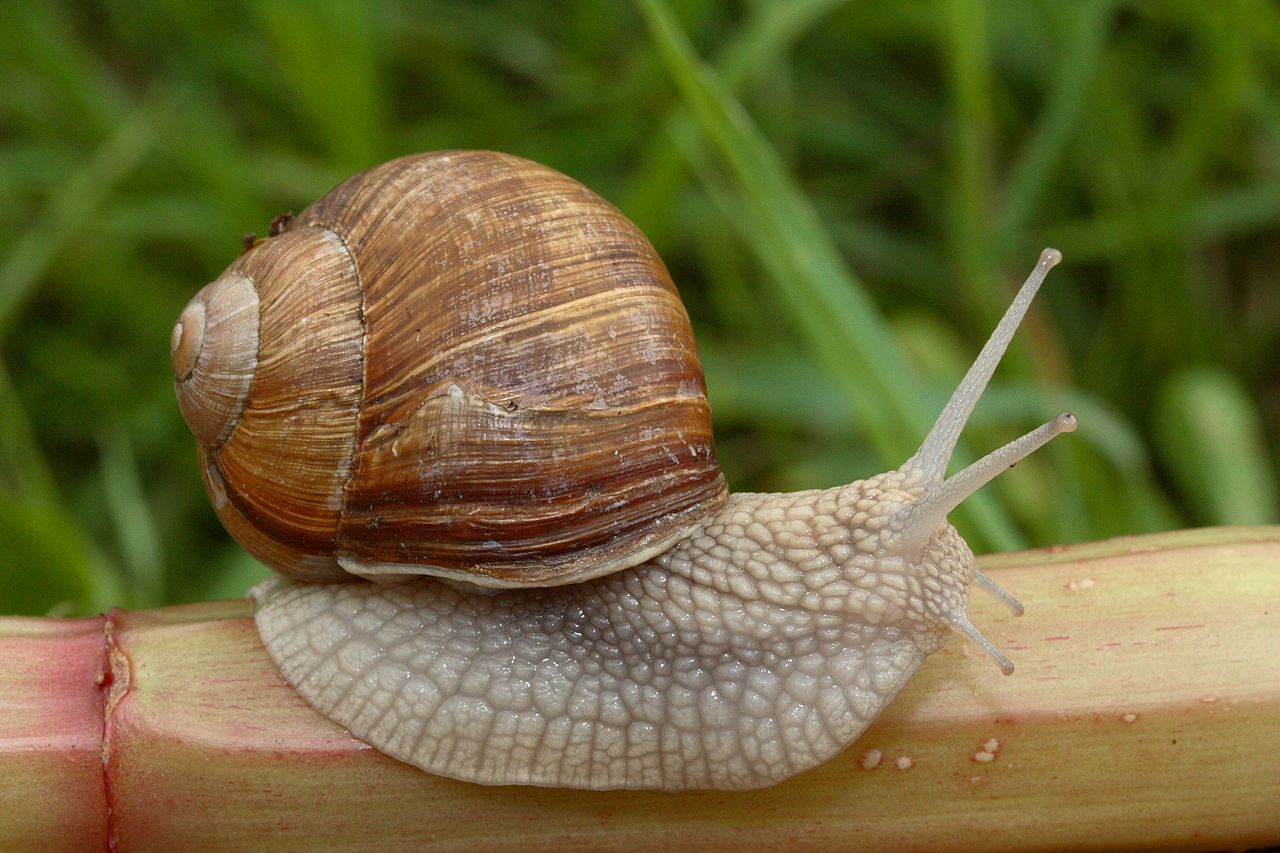
Pulmonata is an informal group of gastropods that includes most land snails and slugs (primarily the order Stylommatophora), as well as some freshwater snails. They are distinguished by having a lung-like sac instead of gills.
Sea snails
Vetigastropoda
500M years ago
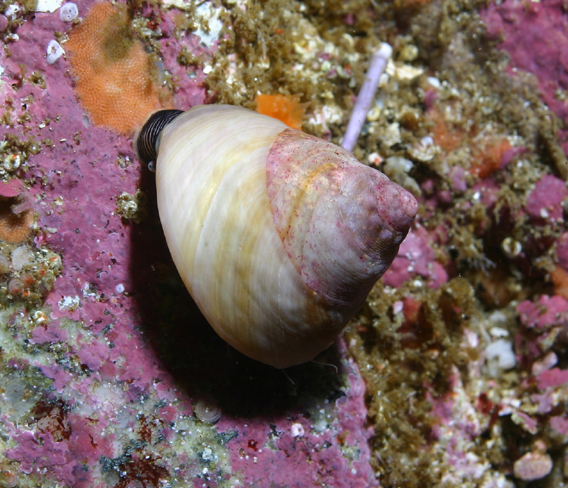
Vetigastropoda is a subclass of marine gastropod mollusks that form a very ancient lineage, and are considered to be among the most primitive living gastropods. They are distributed in all oceans of the world from the deep sea to intertidal zones.
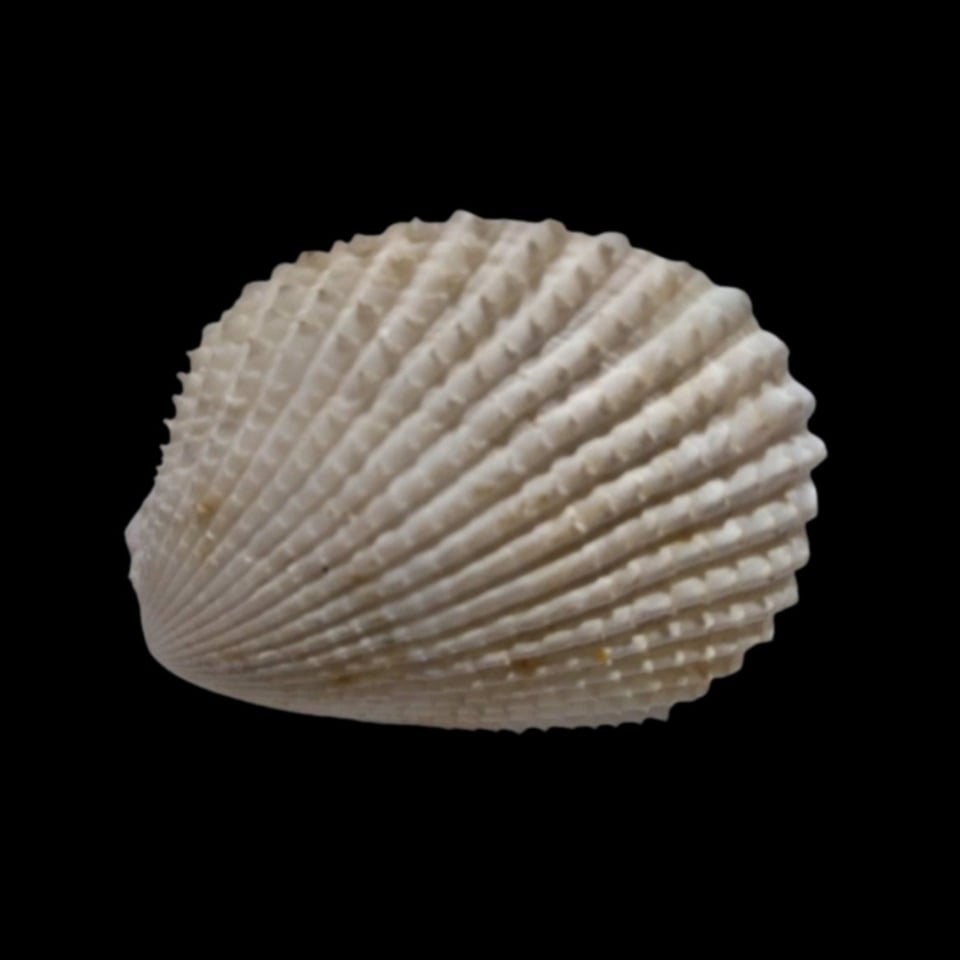
Clams and bivalves
Bivalvia
510M years ago
Bivalves have two hinged shells and include clams, oysters, and mussels.
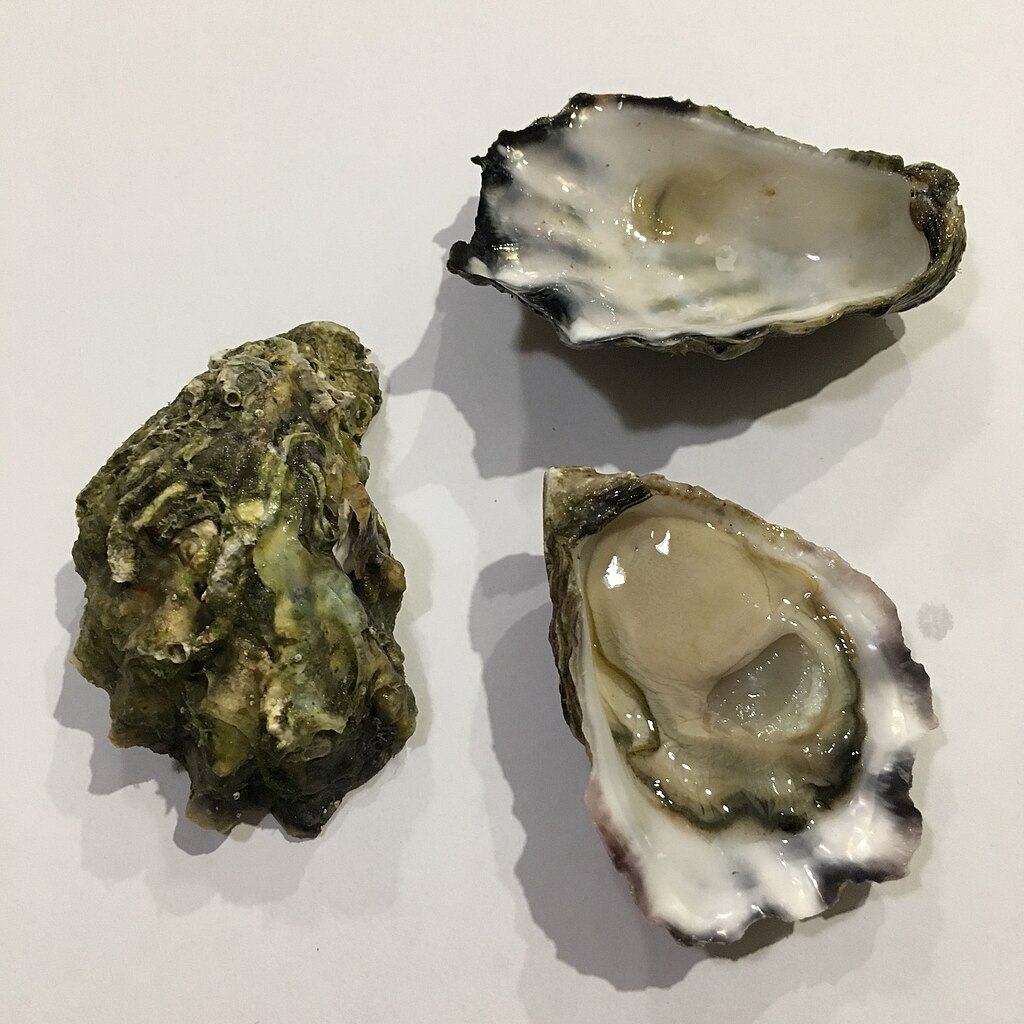
True oysters
Ostreida
252M years ago
This order includes the true oysters, which are filter-feeding bivalves that are often found in brackish, marine habitats. Many species are cultured for their edible flesh.
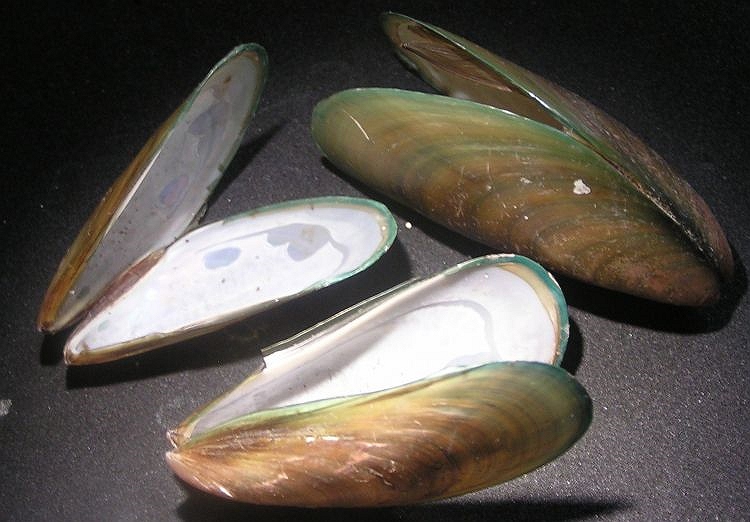
Mussels
Mytilida
400M years ago
Mytilida comprises several families of saltwater and freshwater mussels. They are characterized by their elongated, asymmetrical shells and strong byssal threads for attachment.
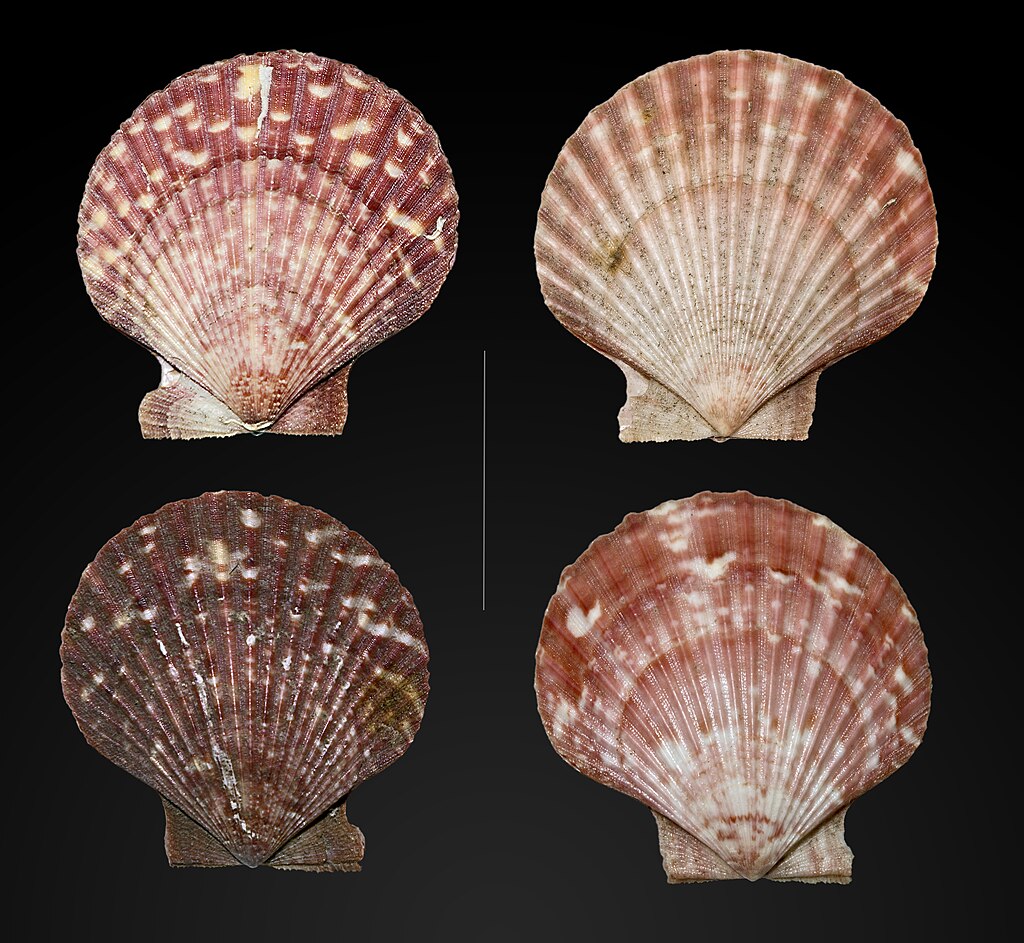
Scallops and allies
Pectinida
400M years ago
This order includes the scallops, which are known for their fan-shaped shells and their ability to swim by rapidly opening and closing their shells.
Cephalopods
Cephalopoda
500M years ago
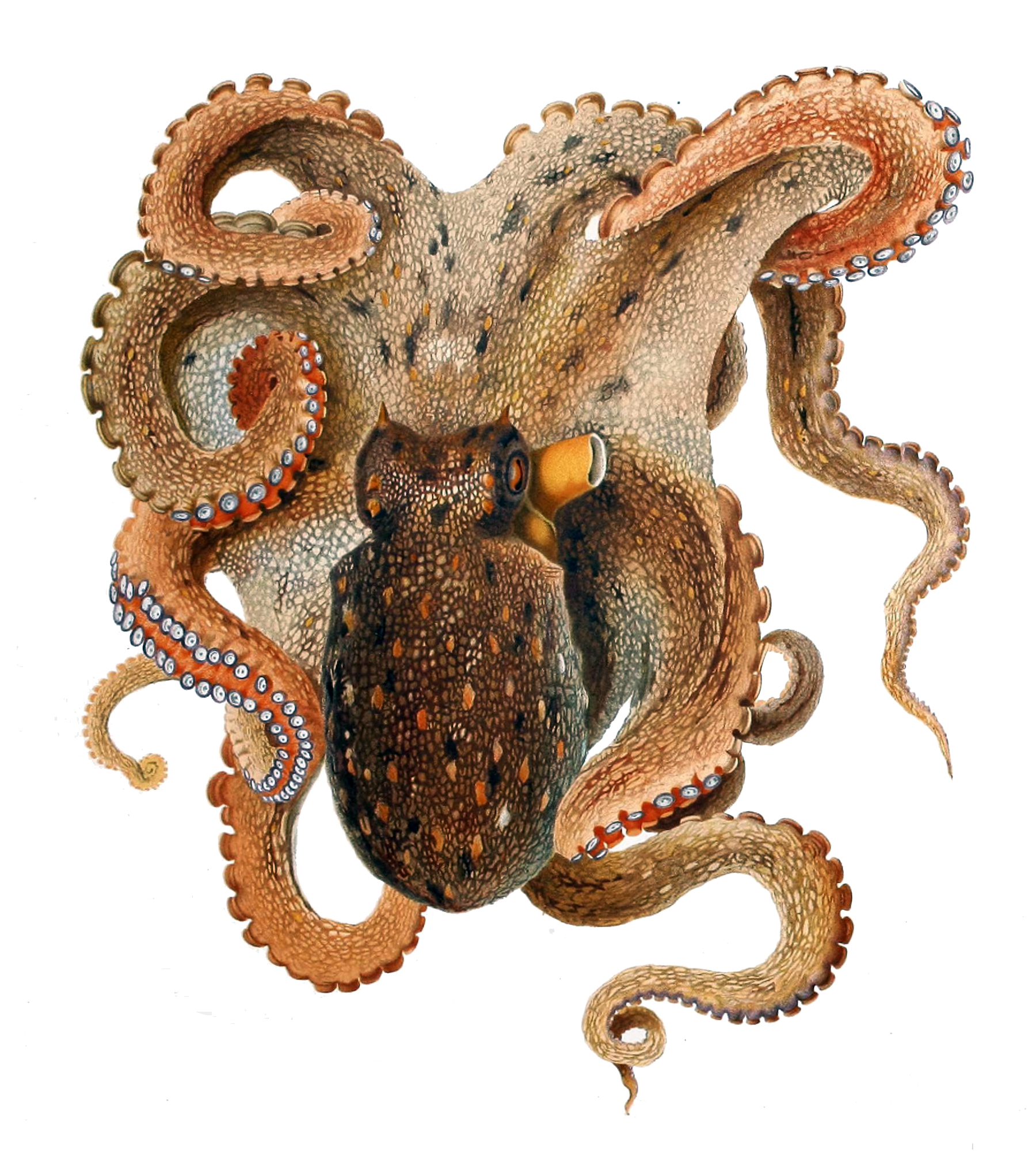
Cephalopods are mollusks with large heads and tentacles, including octopuses, squids, and cuttlefish.
Octopuses
Octopoda
164M years ago
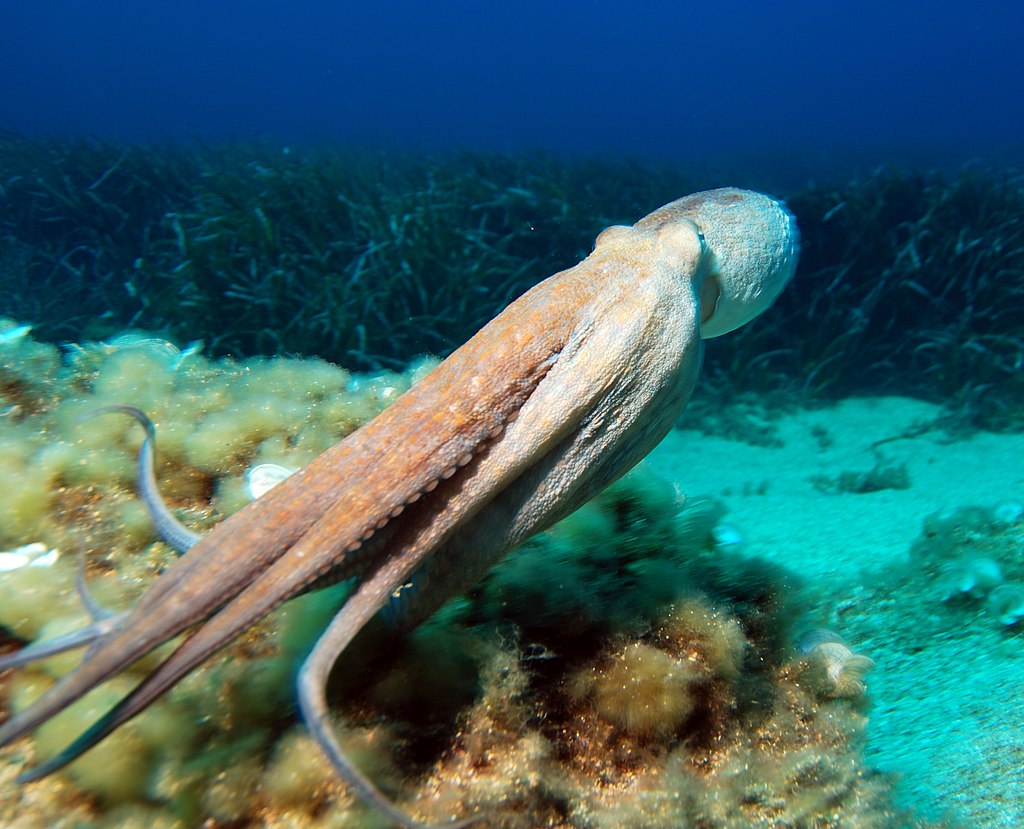
Members of the order Octopoda have eight arms and no shell. They are known for their intelligence and ability to change color and texture.
Squids
Teuthida
300M years ago
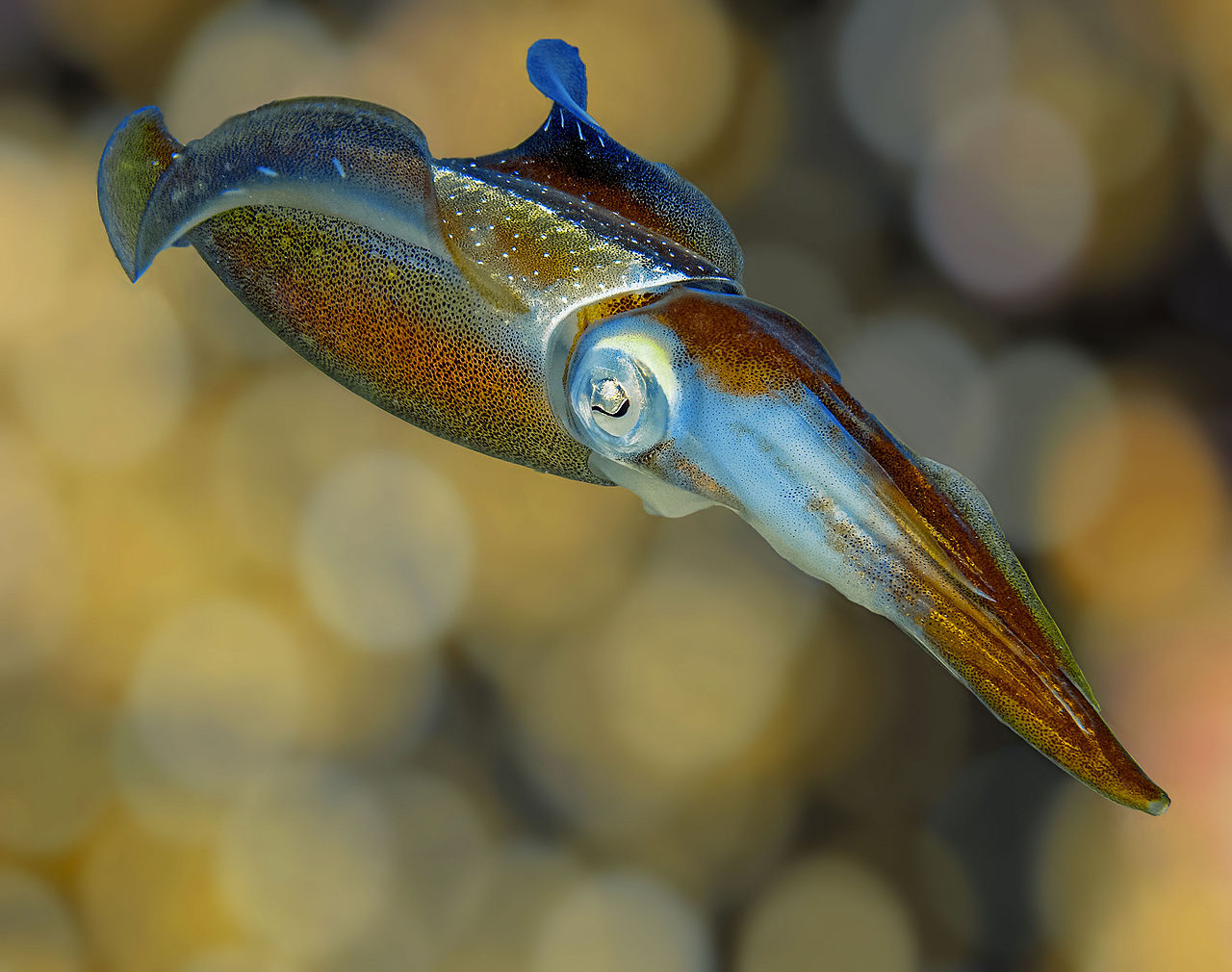
Squid are an informal group of marine cephalopods with ten arms and tentacles. They are strong swimmers and have an internal shell.
Cuttlefish
Sepiida
150M years ago
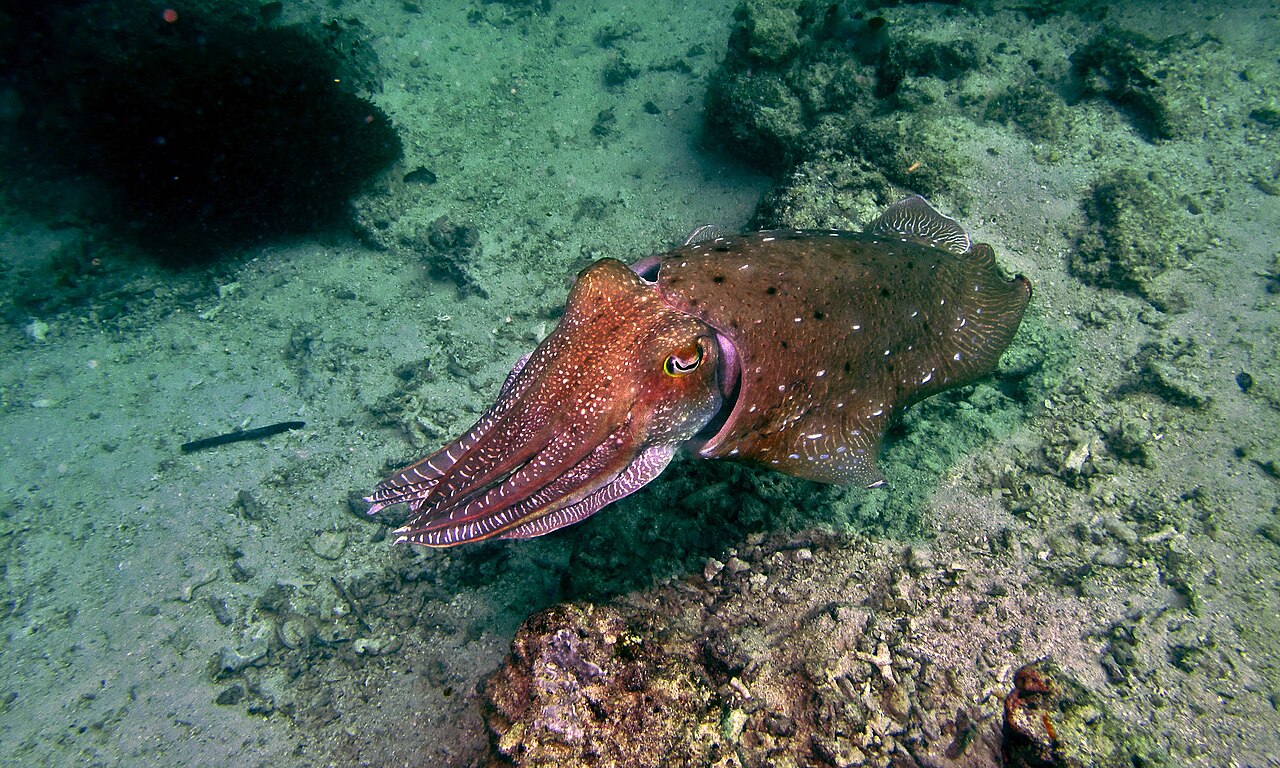
Cuttlefish are marine mollusks of the order Sepiida. They have a unique internal shell, the cuttlebone.
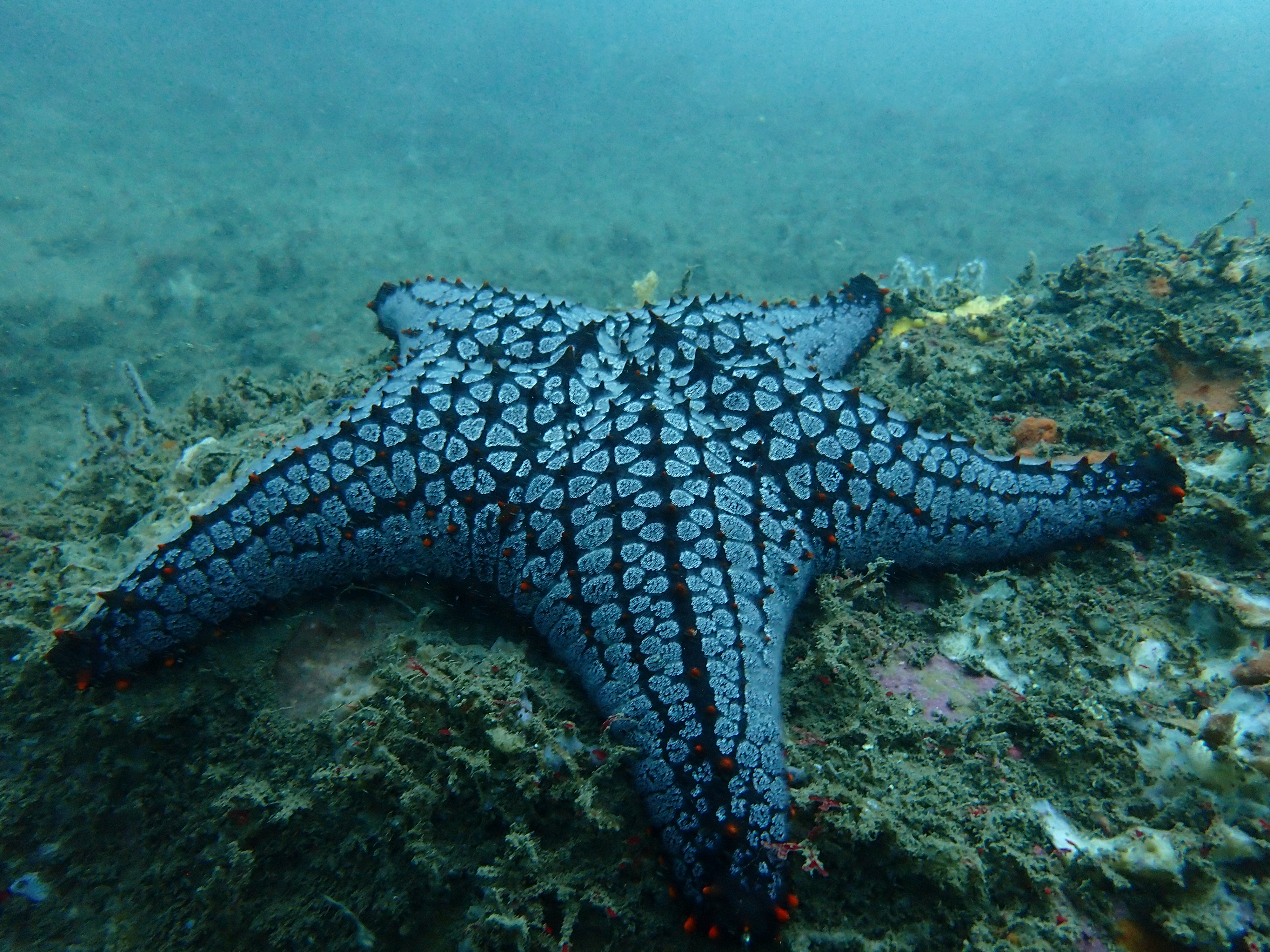
Echinoderms
Echinodermata
540M years ago
Echinoderms are marine animals with radial symmetry and include sea stars, sea urchins, and sea cucumbers.
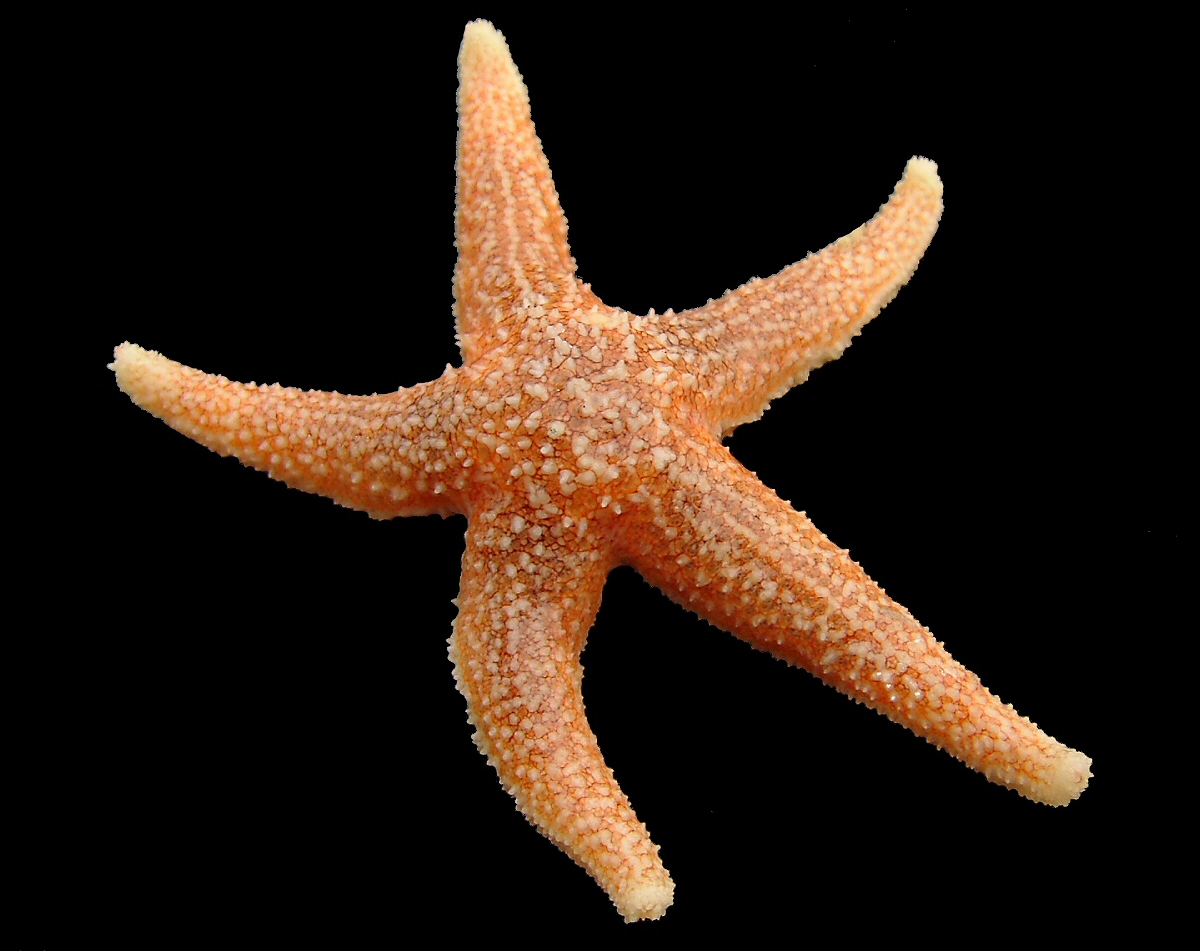
Sea stars
Asteroidea
450M years ago
Sea stars are star-shaped echinoderms that typically have five or more arms.
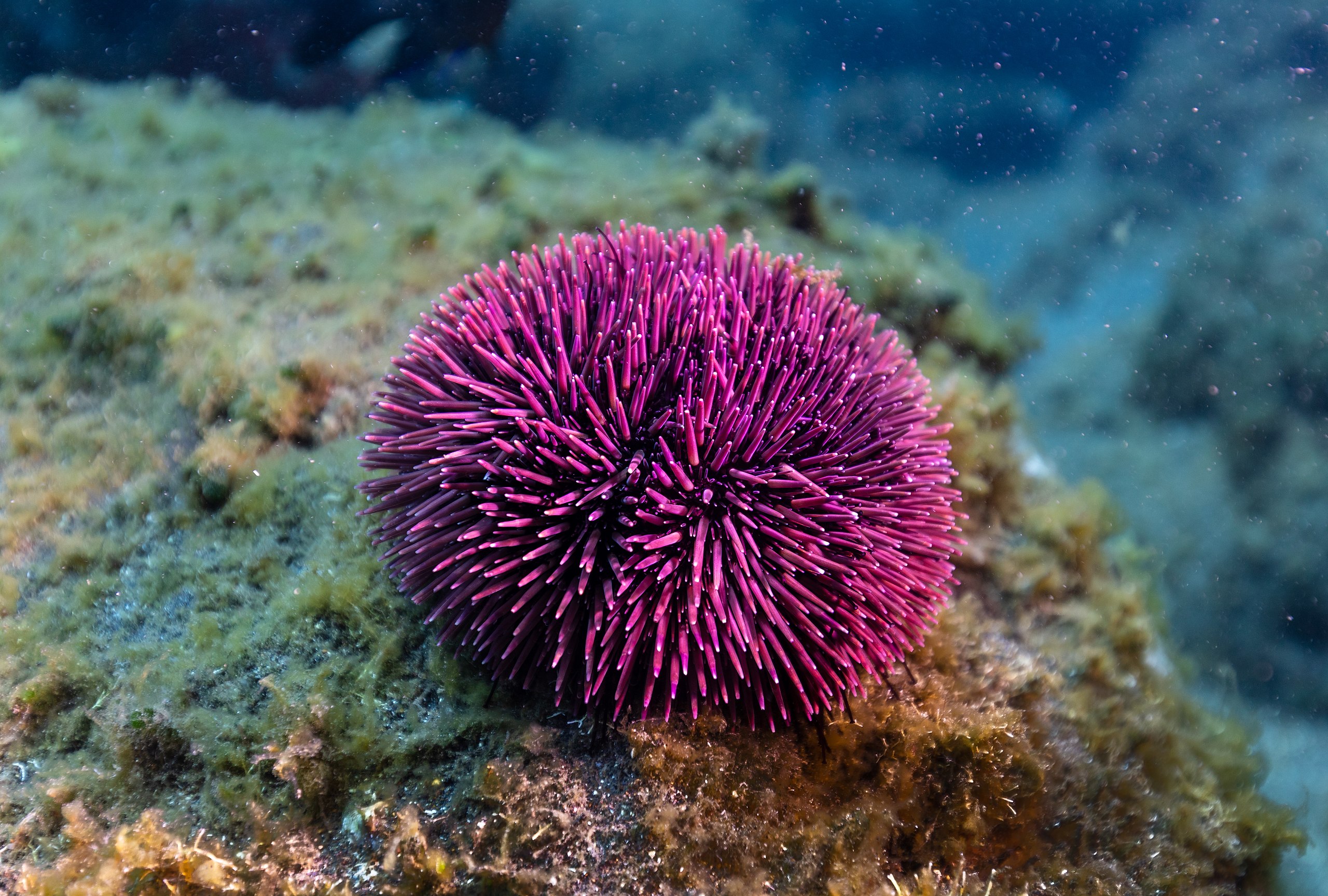
Sea urchins and sand dollars
Echinoidea
450M years ago
Echinoids include sea urchins and sand dollars, characterized by their spiny or flattened shells.
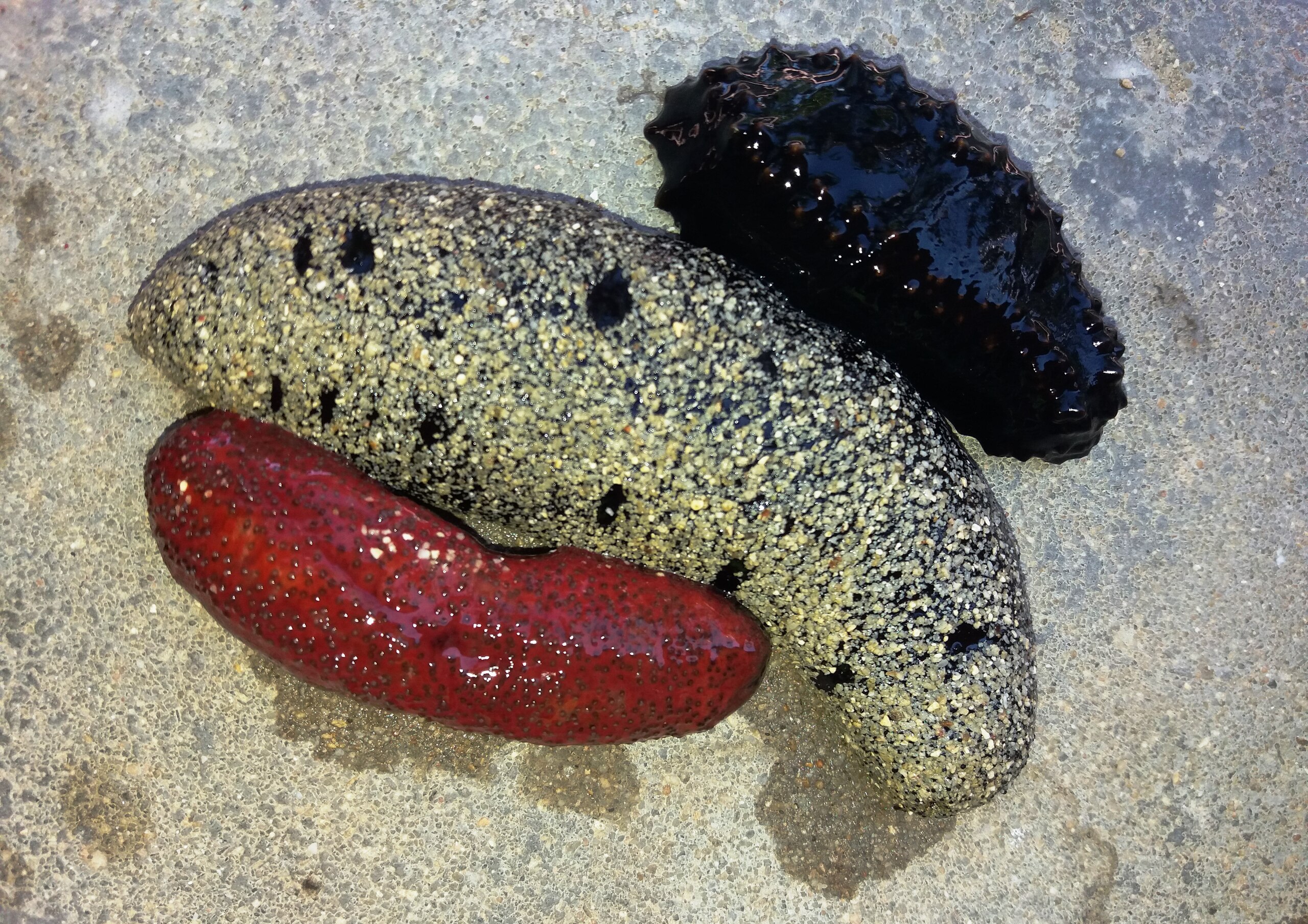
Sea cucumbers
Holothuroidea
400M years ago
Sea cucumbers are elongated echinoderms that live on the ocean floor and have a soft, leathery body.
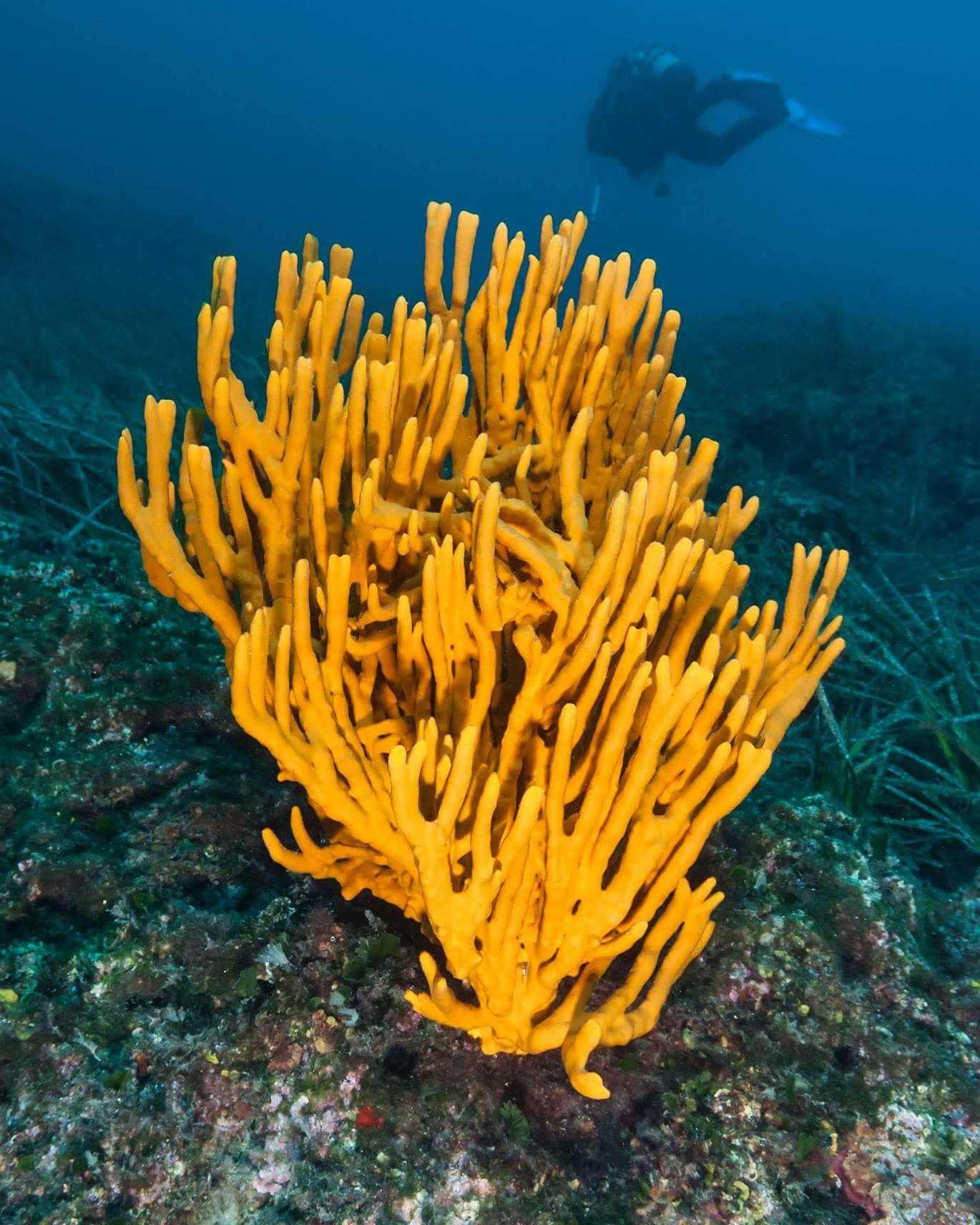
Sponges
Porifera
600M years ago
Sponges are simple, porous animals that filter water to obtain food. They are mostly marine organisms.
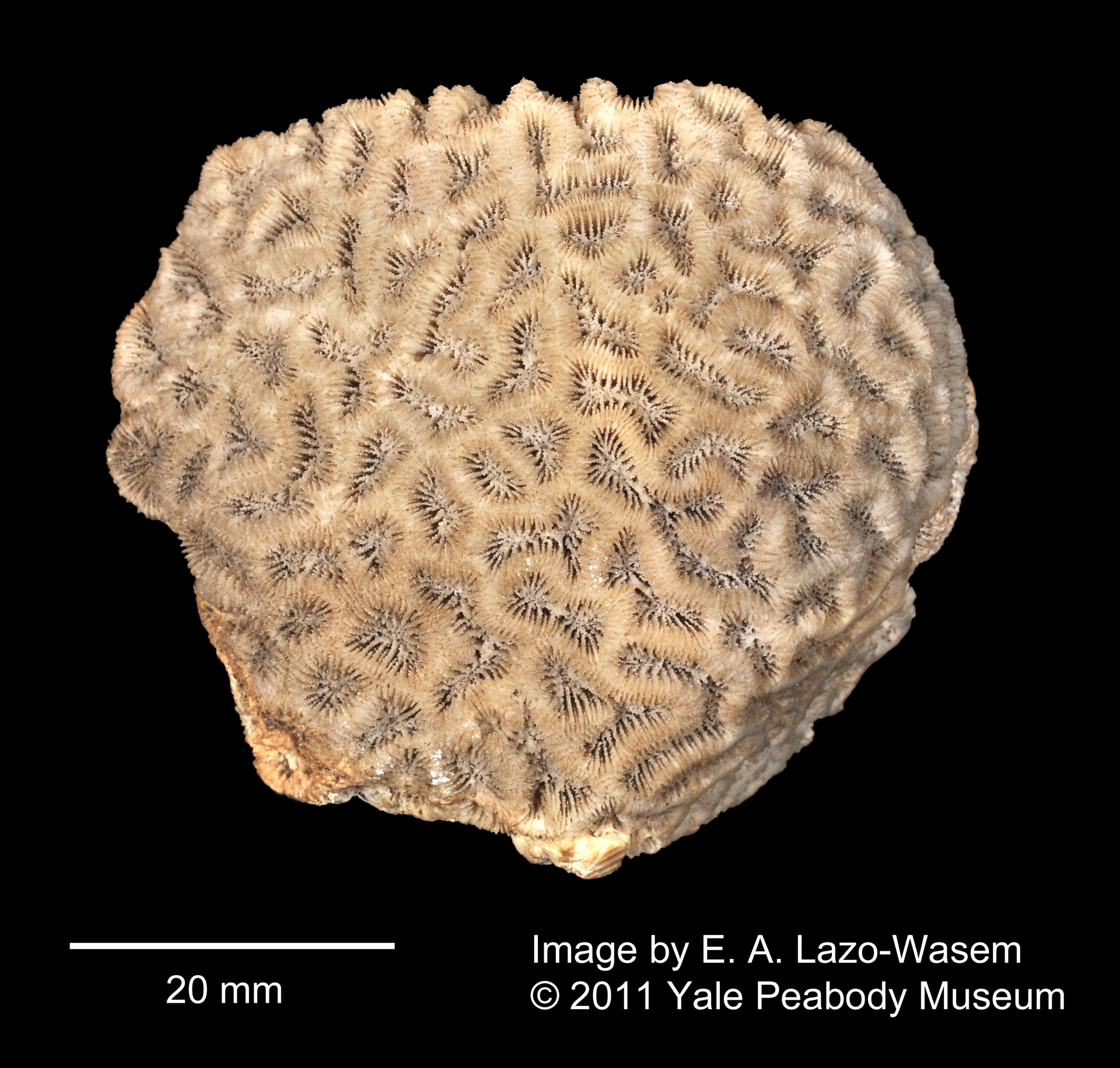
Cnidarians
Cnidaria
580M years ago
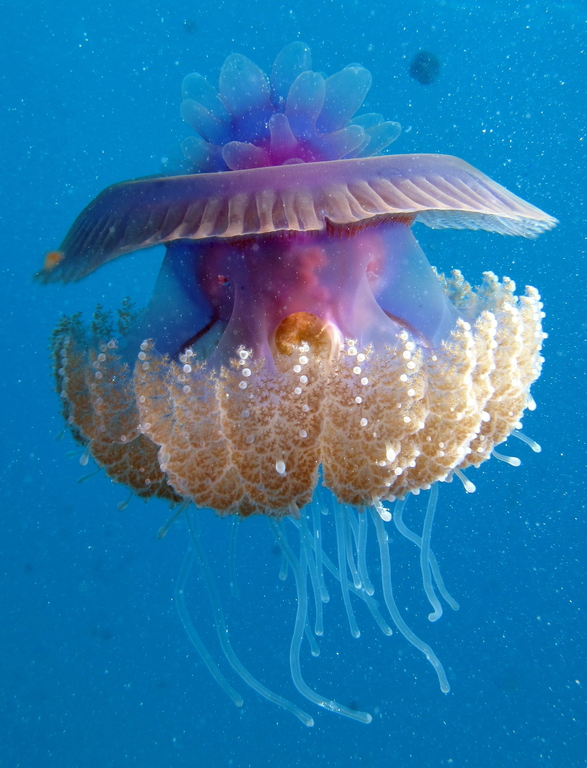
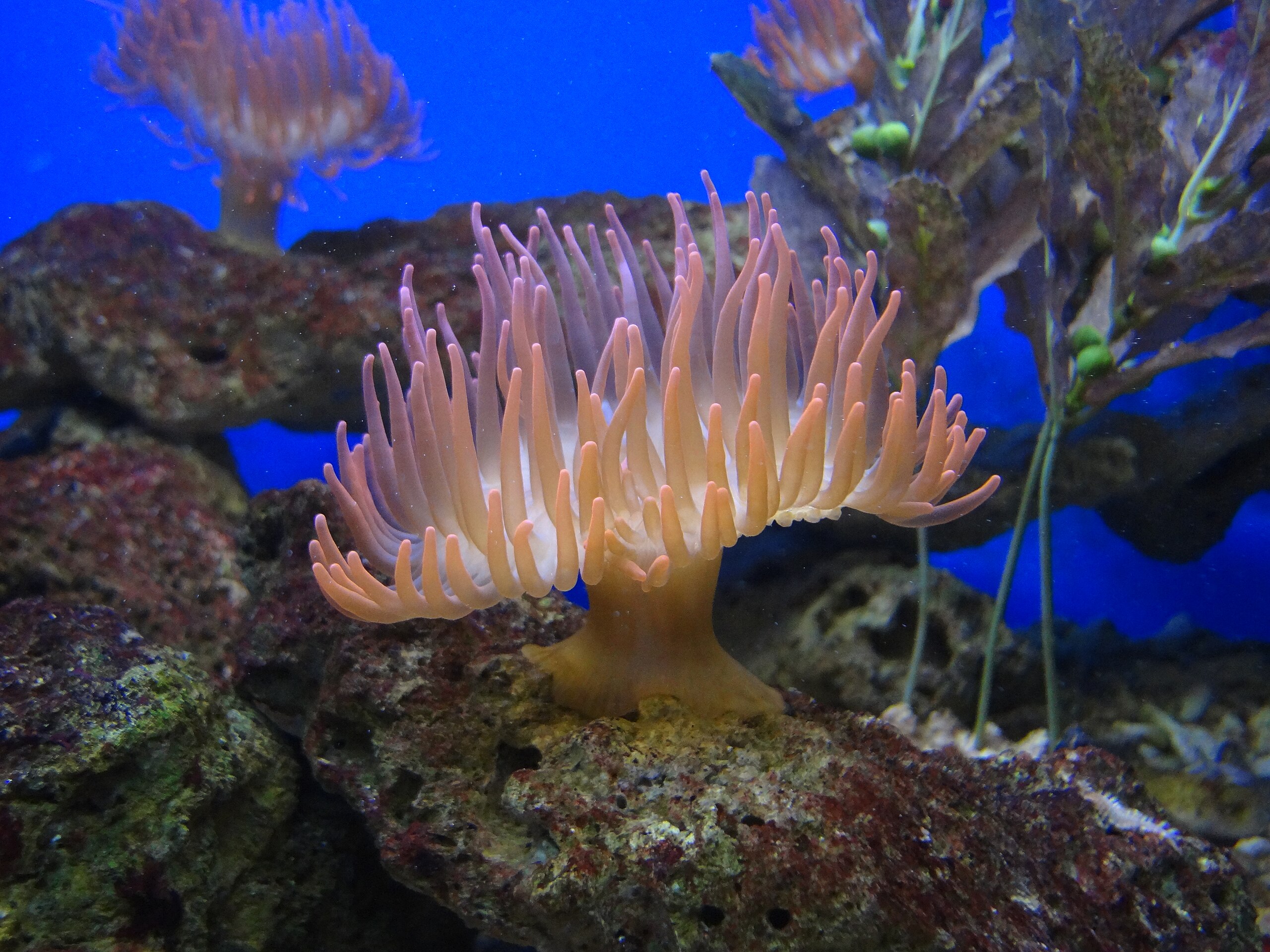
Cnidarians have radial symmetry and include jellyfish, corals, and sea anemones. They have specialized cells for capturing prey.
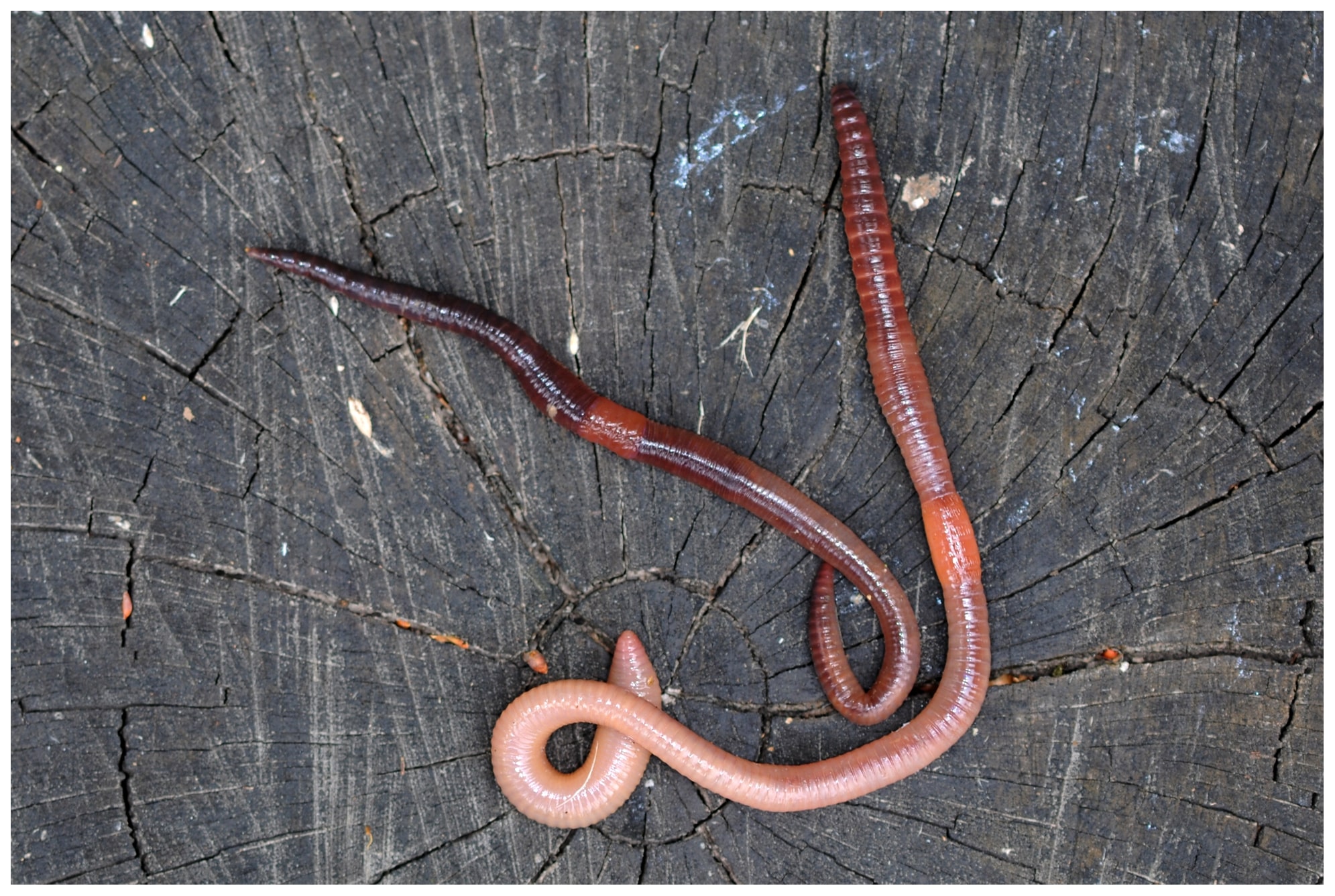
Segmented worms
Annelida
518M years ago
Annelids are segmented worms, including earthworms and leeches, with bodies divided into ring-like segments.
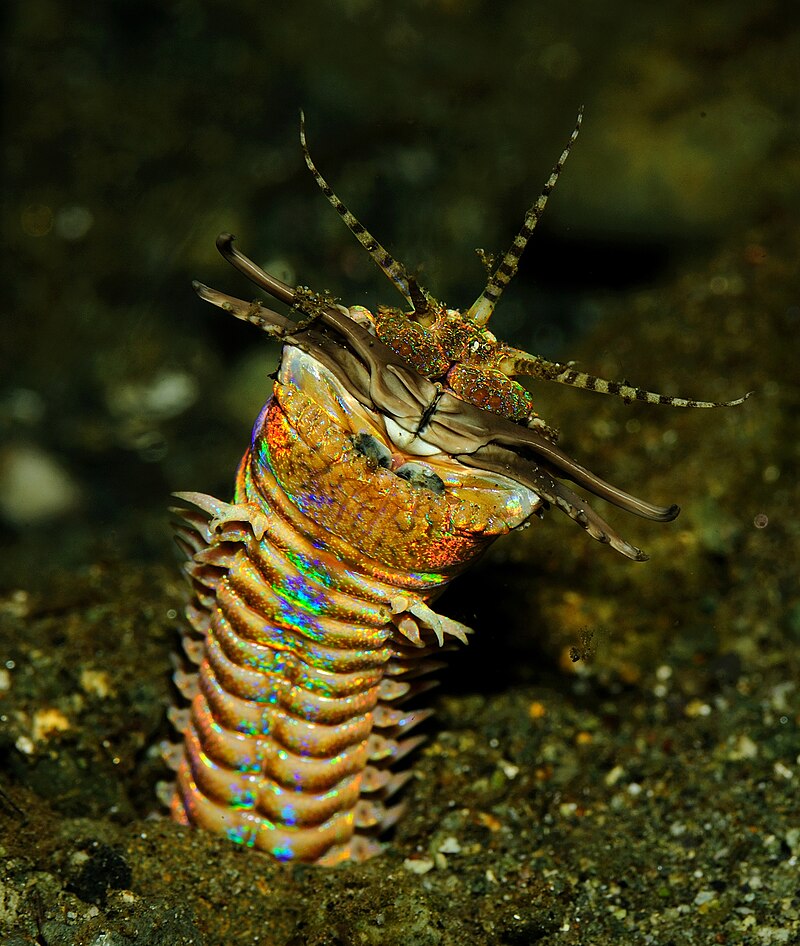
Bristle worms
Polychaeta
505M years ago
A class of marine annelid worms, generally characterized by a pair of paddle-like and bristle-bearing appendages on each segment.
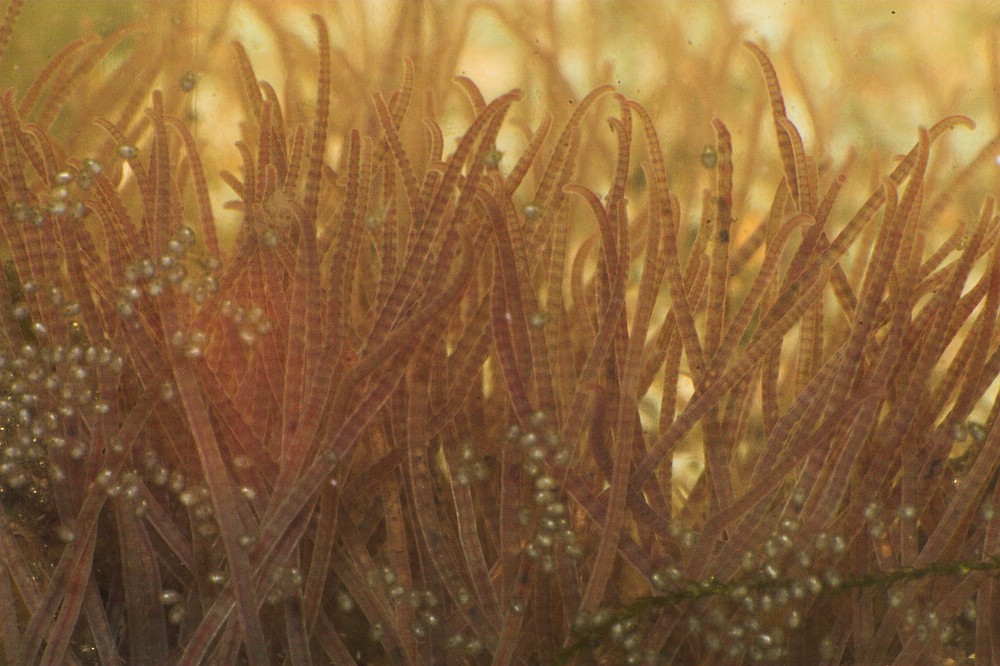
Clitellates
Clitellata
300M years ago
This class of annelid worms is characterized by having a 'clitellum' - a collar that forms a reproductive cocoon. It includes earthworms and leeches.
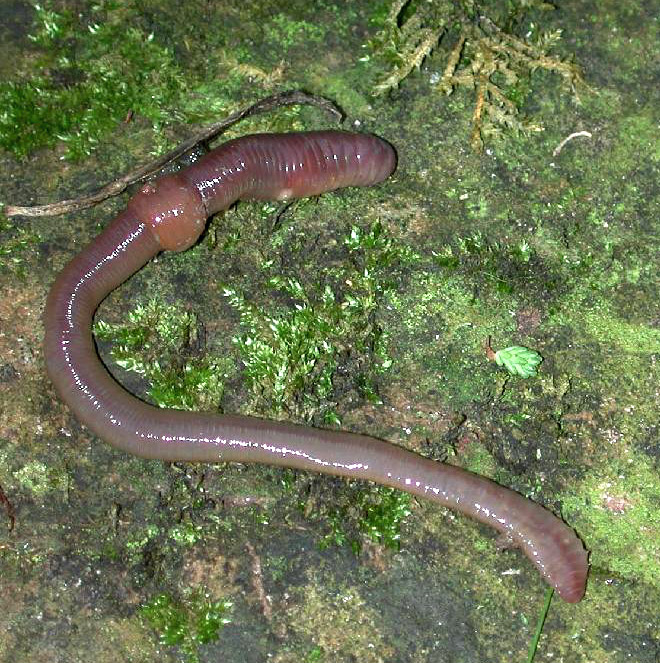
Earthworms
Oligochaeta
300M years ago
This subclass includes terrestrial and aquatic worms, most notably the earthworms. They play a crucial role in soil aeration and fertility.
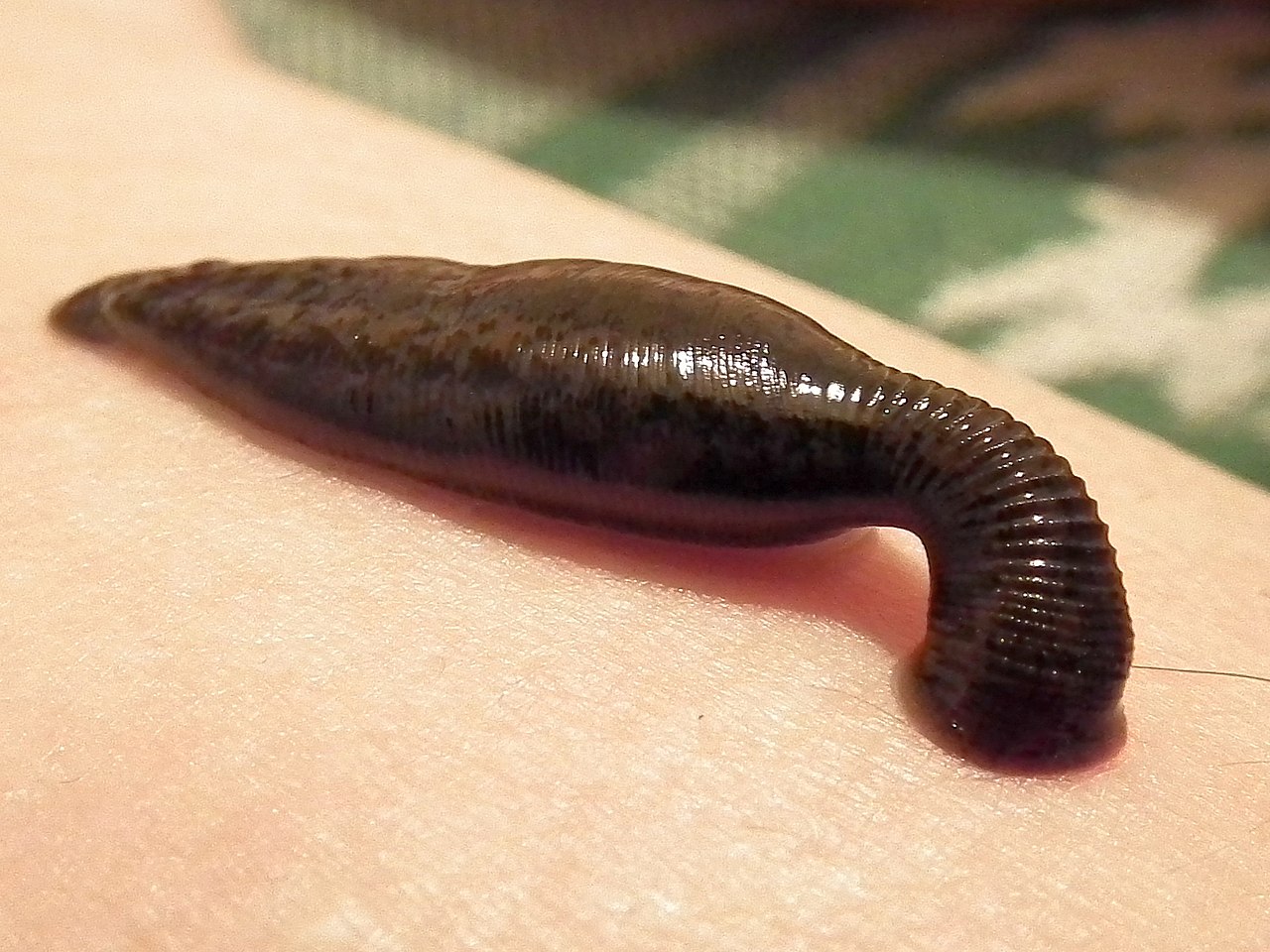
Leeches
Hirudinea
250M years ago
This subclass comprises leeches, which are known for their segmented bodies and suckers at both ends. Many are blood-sucking parasites.
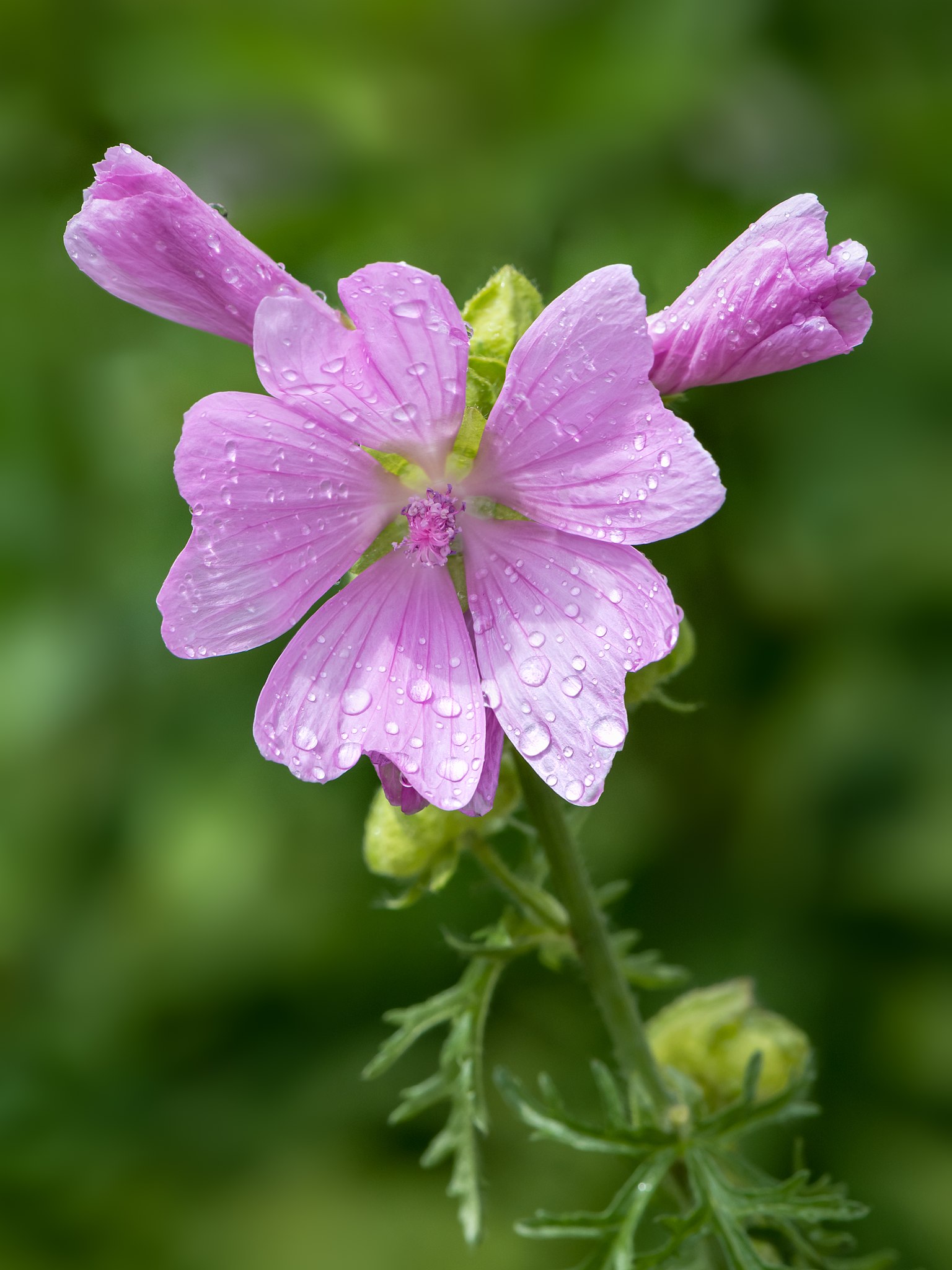
Plants
Plantae
1.6B years ago
Plants are eukaryotic, multicellular and autotrophic organisms. The plant cell contains a rigid cell wall.
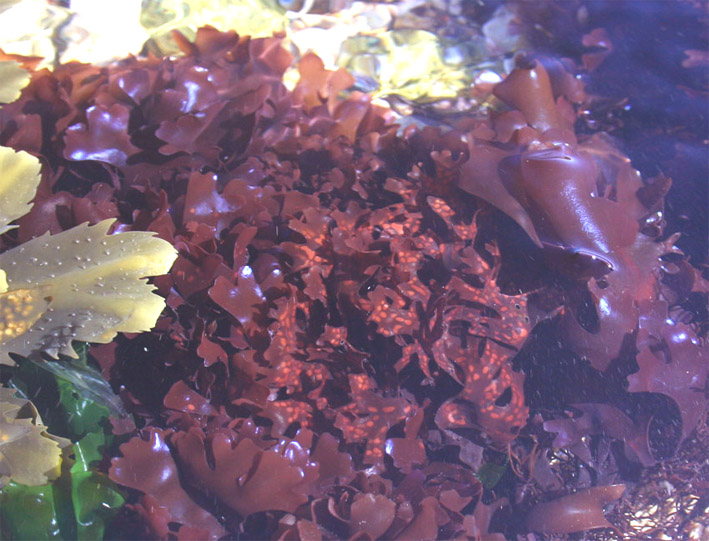
Red algae
Rhodophyta
1.2B years ago
Rhodophyta, or red algae, are one of the oldest groups of eukaryotic algae, primarily found in marine habitats. They contain phycoerythrin, which gives them their characteristic red color.
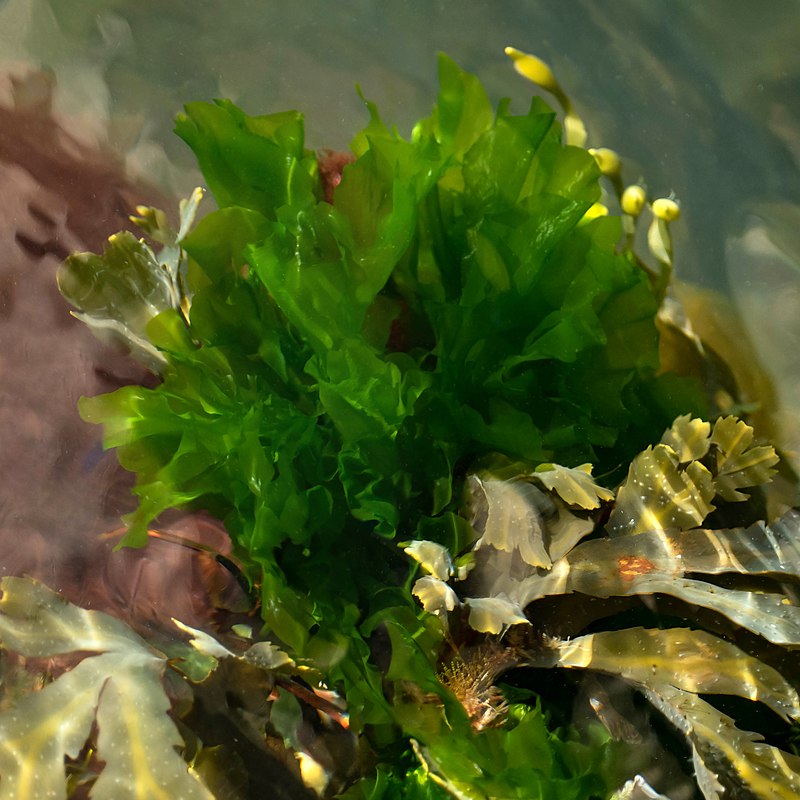
Green algae
Chlorophyta
1.2B years ago
Chlorophyta is a phylum of green algae. They are a diverse group of photosynthetic eukaryotes that are common in freshwater and marine environments.
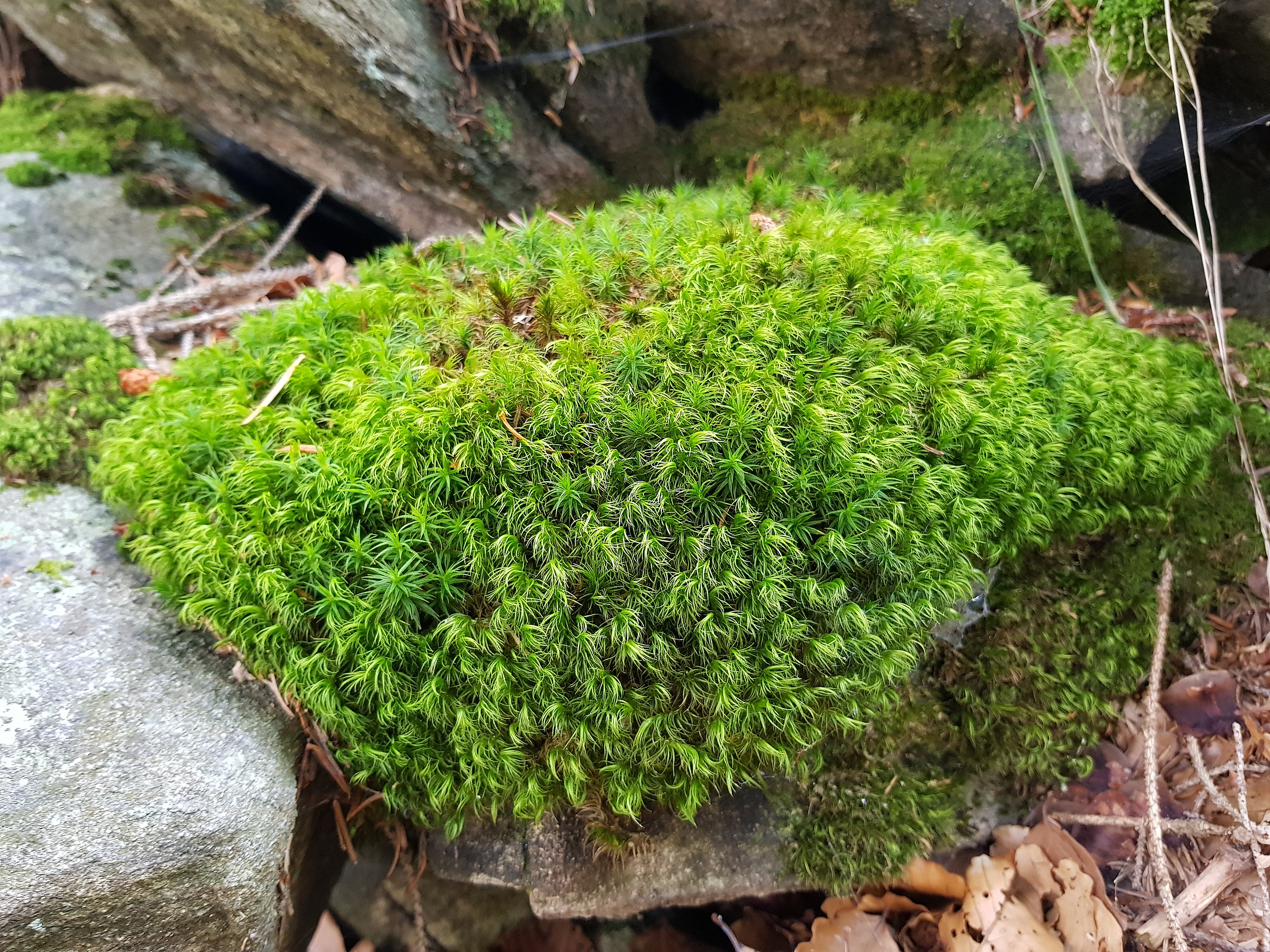
Mosses
Bryophyta
470M years ago
Bryophytes are non-vascular plants, which typically grow in moist environments. They are known as mosses.
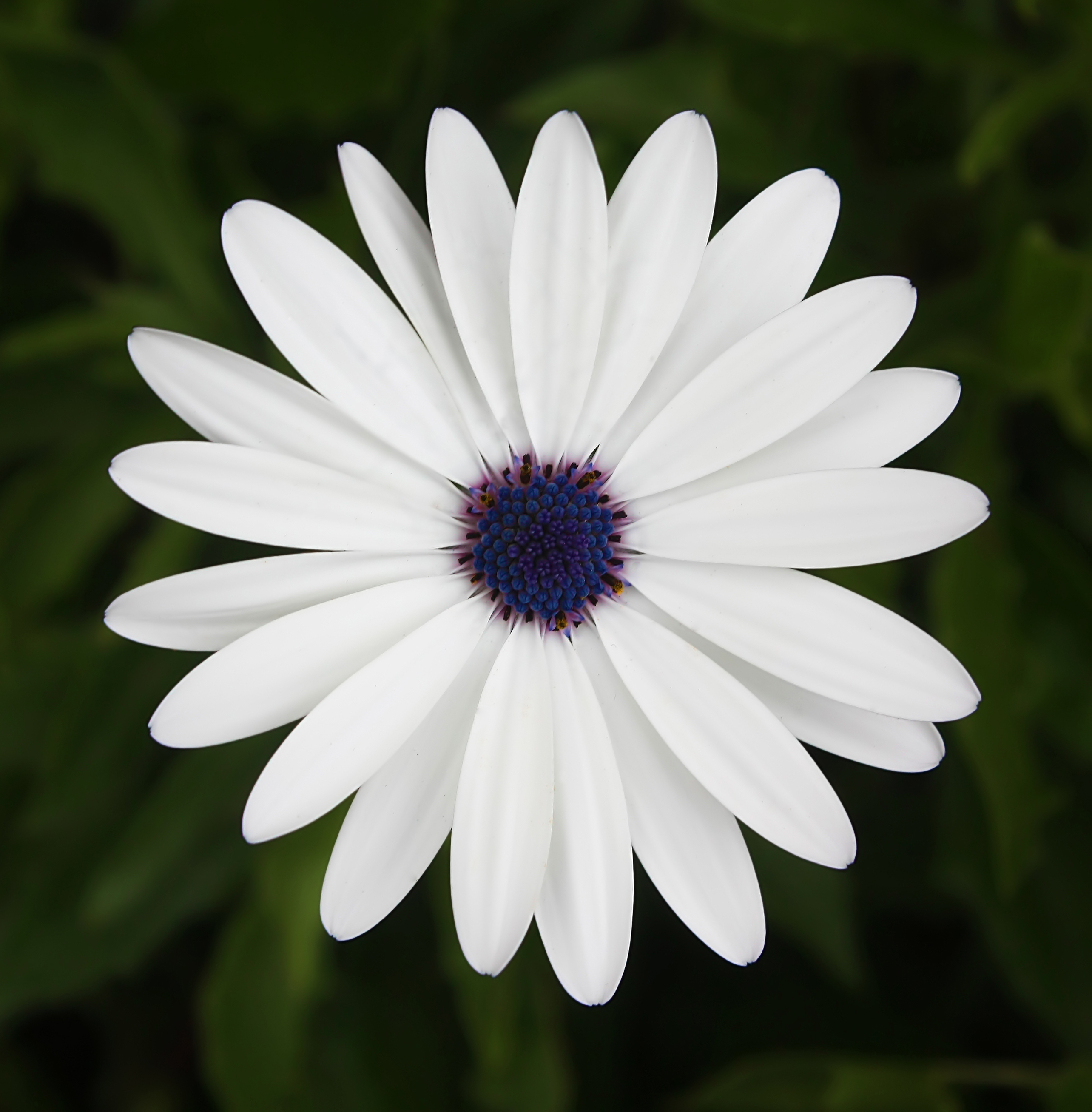
Vascular plants
Tracheophyta
425M years ago
Plants that have lignified tissues for conducting water and minerals throughout the plant. The group includes most land plants: clubmosses, horsetails, ferns, gymnosperms (including conifers), and angiosperms (flowering plants).
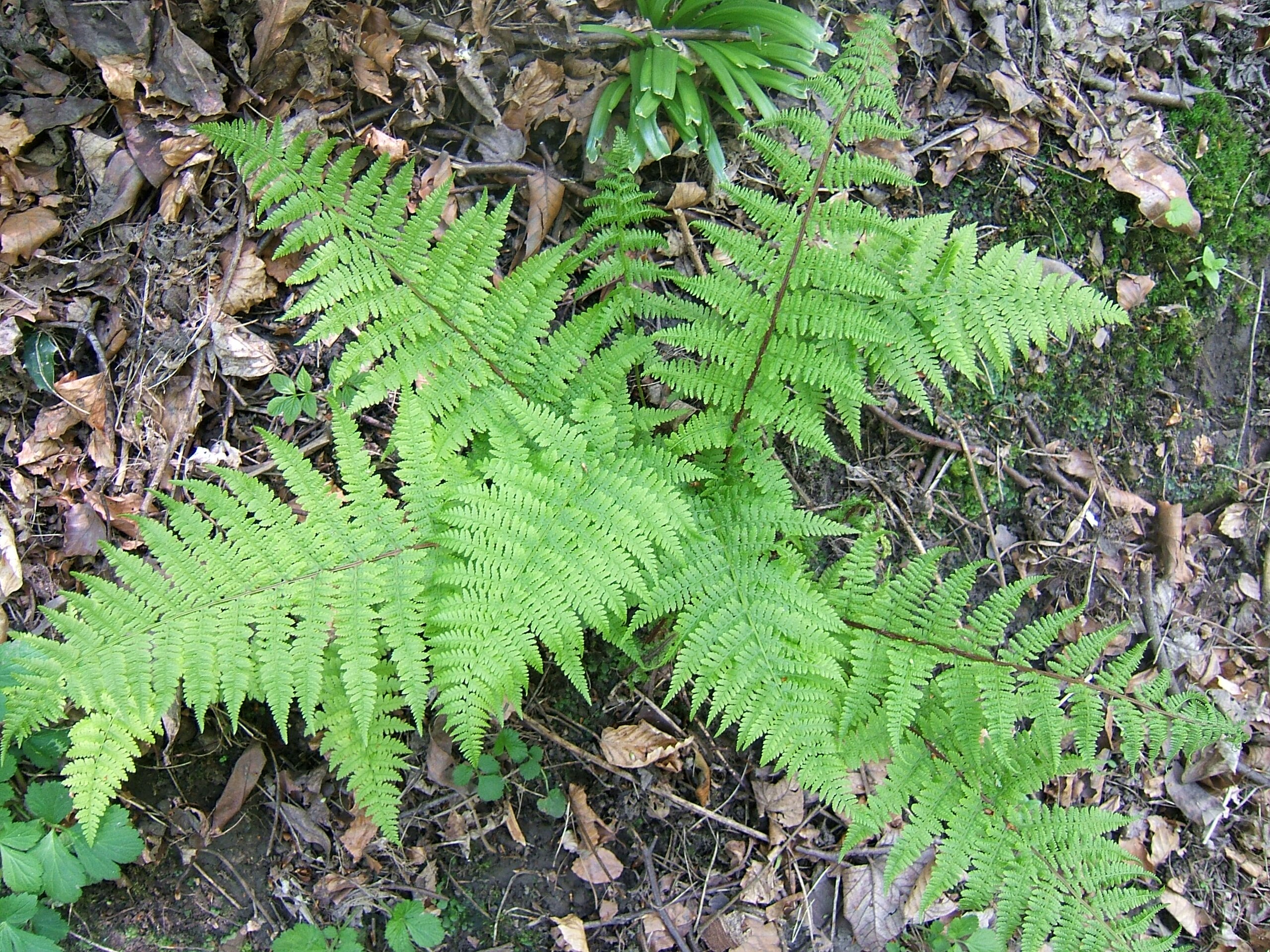
Ferns
Polypodiopsida
360M years ago
Ferns are non-flowering vascular plants that reproduce via spores and have large, divided leaves called fronds.
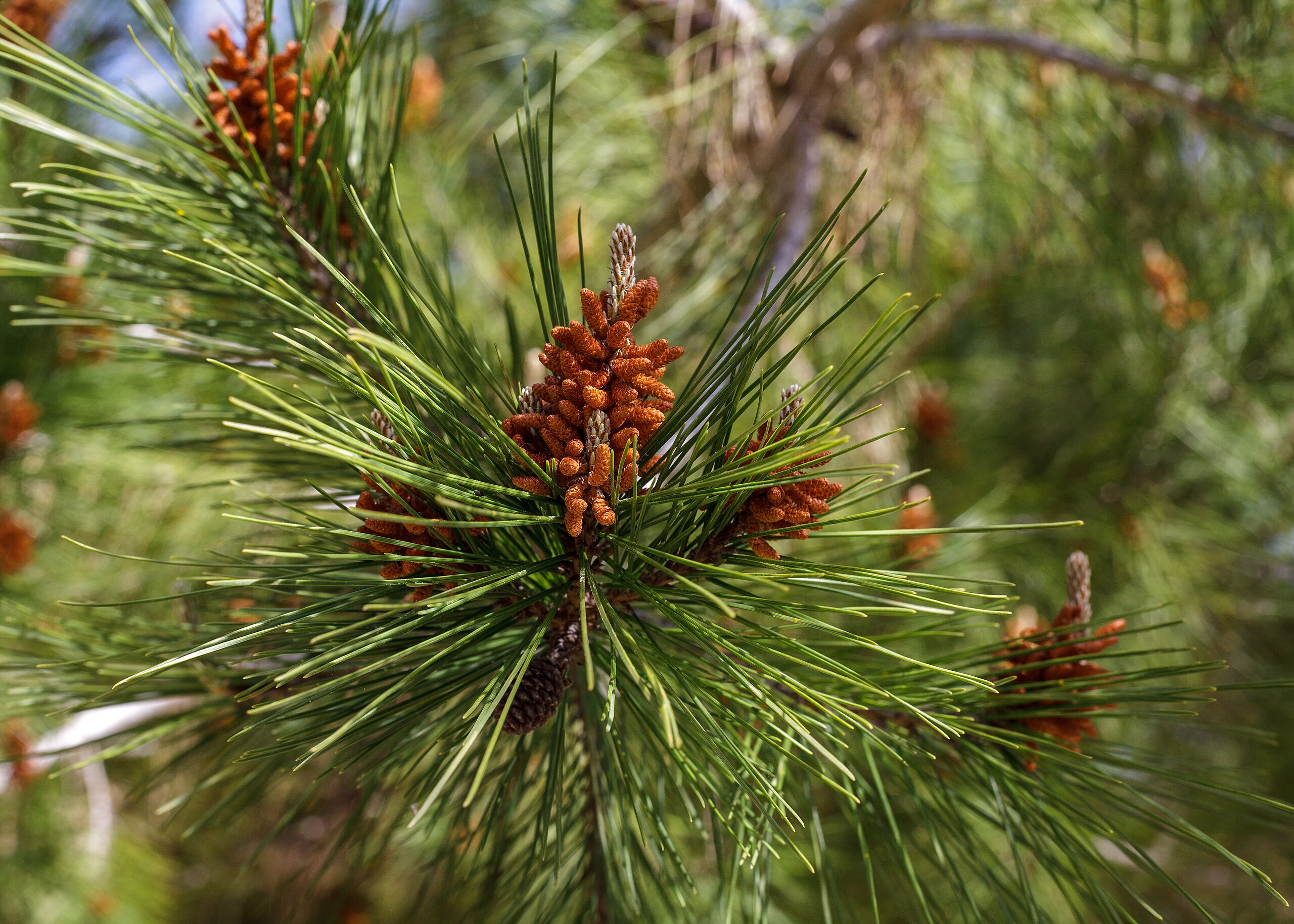
Pines and other conifers
Pinopsida
300M years ago
Pinopsida includes pines and other conifers with needle-like leaves and woody cones. They are gymnosperms.
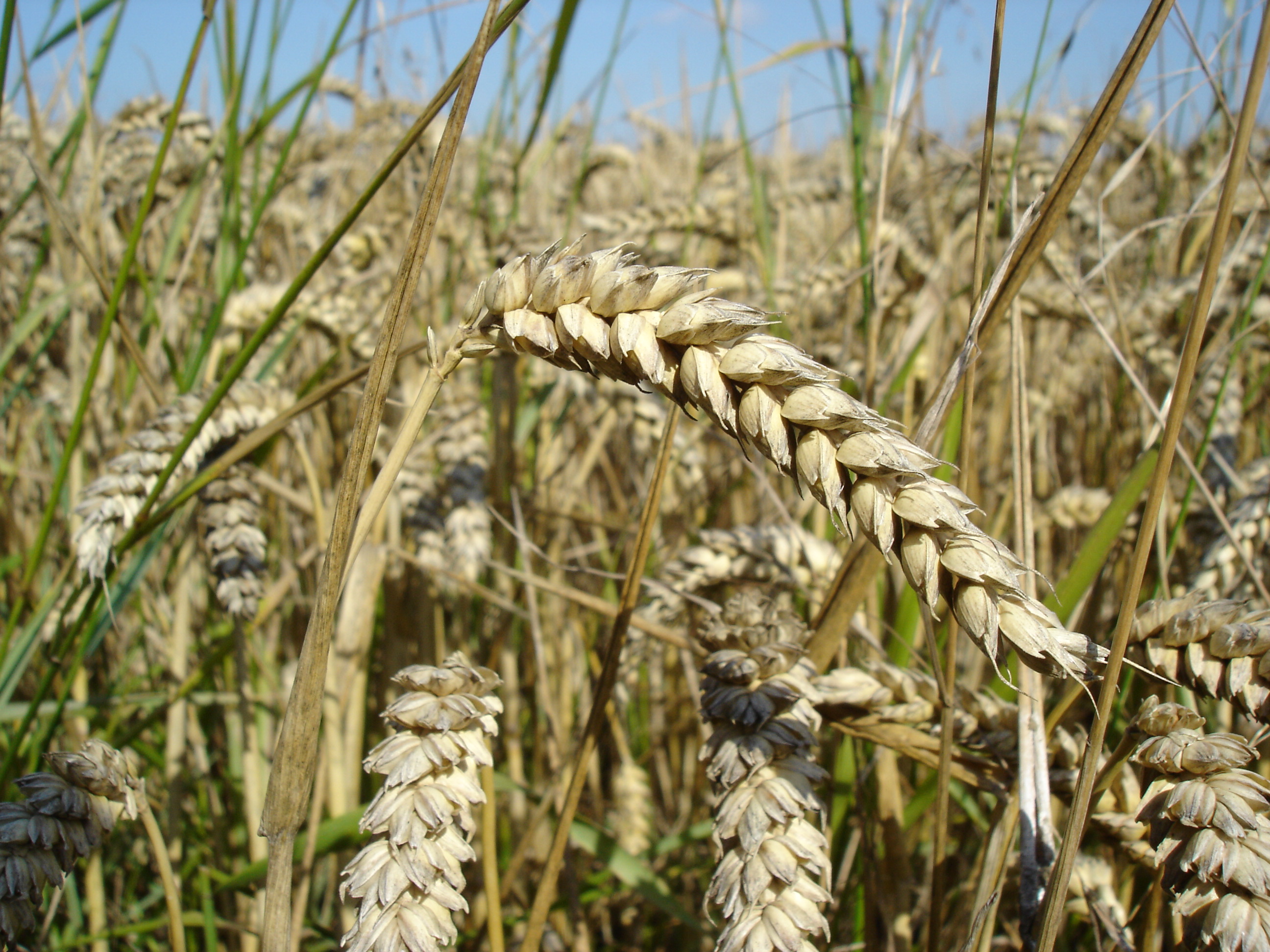
Monocots
Liliopsida
134M years ago
Monocots are flowering plants (angiosperms) with a single seed leaf (cotyledon) and include grasses, lilies, and orchids.
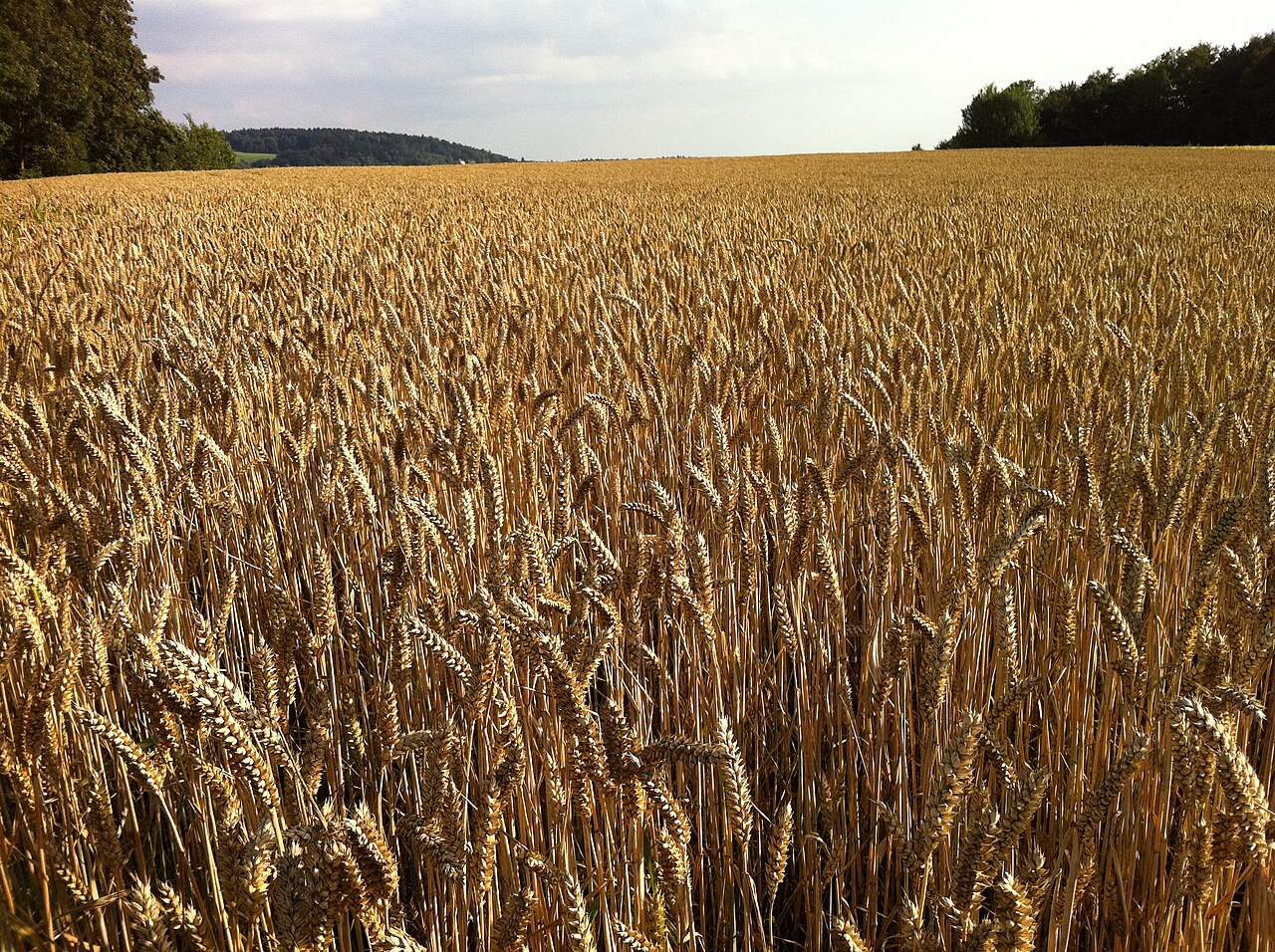
Grasses, sedges, and allies
Poales
115M years ago
An order of flowering plants in the monocots, which includes the economically important grass family (Poaceae) and other grass-like families.
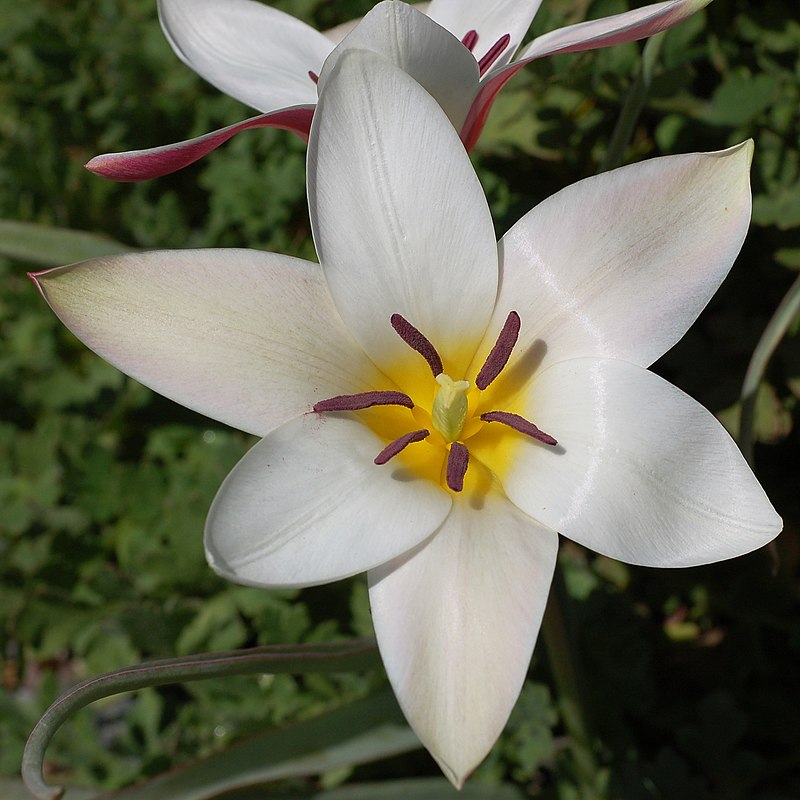
Lilies and allies
Liliales
122M years ago
Liliales is an order of monocotyledonous flowering plants that includes many well-known ornamental plants like lilies and tulips. This order consists mostly of herbaceous plants, but also includes some climbers and shrubs. They are predominantly perennial plants with food storage organs like bulbs or rhizomes.
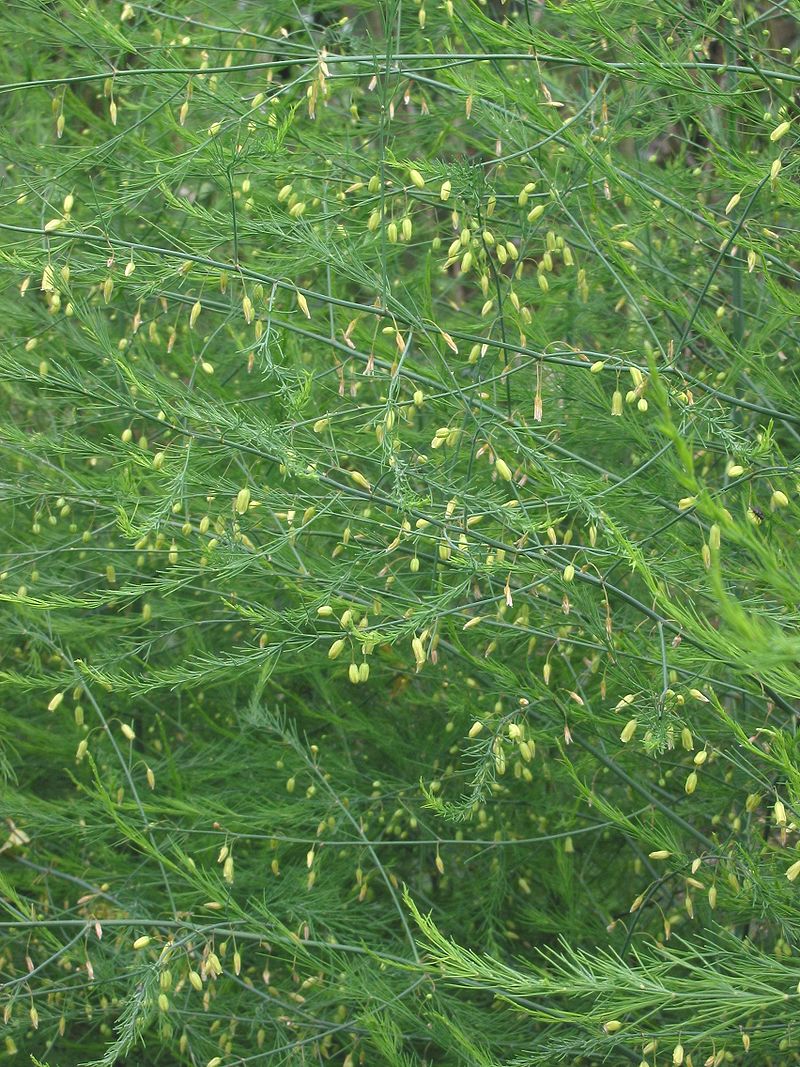
Asparagus, orchids, and allies
Asparagales
125M years ago
Asparagales is a diverse and large order of monocotyledonous flowering plants. It includes a wide variety of species, from herbaceous perennials to climbers, trees, and shrubs. Many species are geophytes, possessing bulbs, corms, or tubers. Economically important plants in this order include asparagus, onions, garlic, and ornamental flowers like orchids, daffodils, and irises.
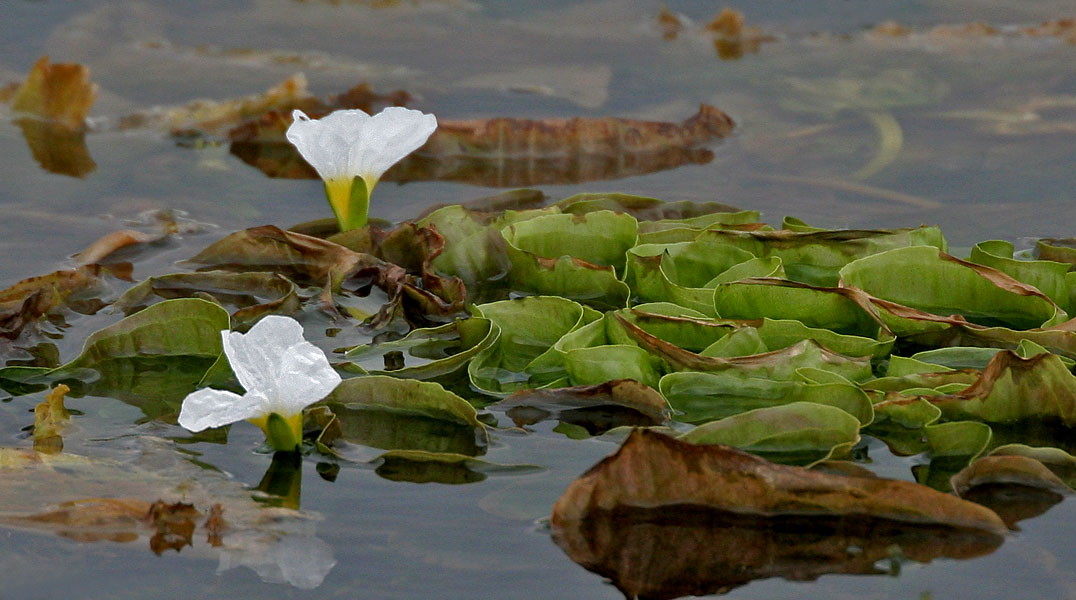
Water plantains and allies
Alismatales
134M years ago
Alismatales is an order of flowering plants that are primarily tropical or aquatic. This order, sometimes referred to as the arrowhead and pondweed order, includes about 4,500 species. Plants in this order can be found in both freshwater and marine environments.
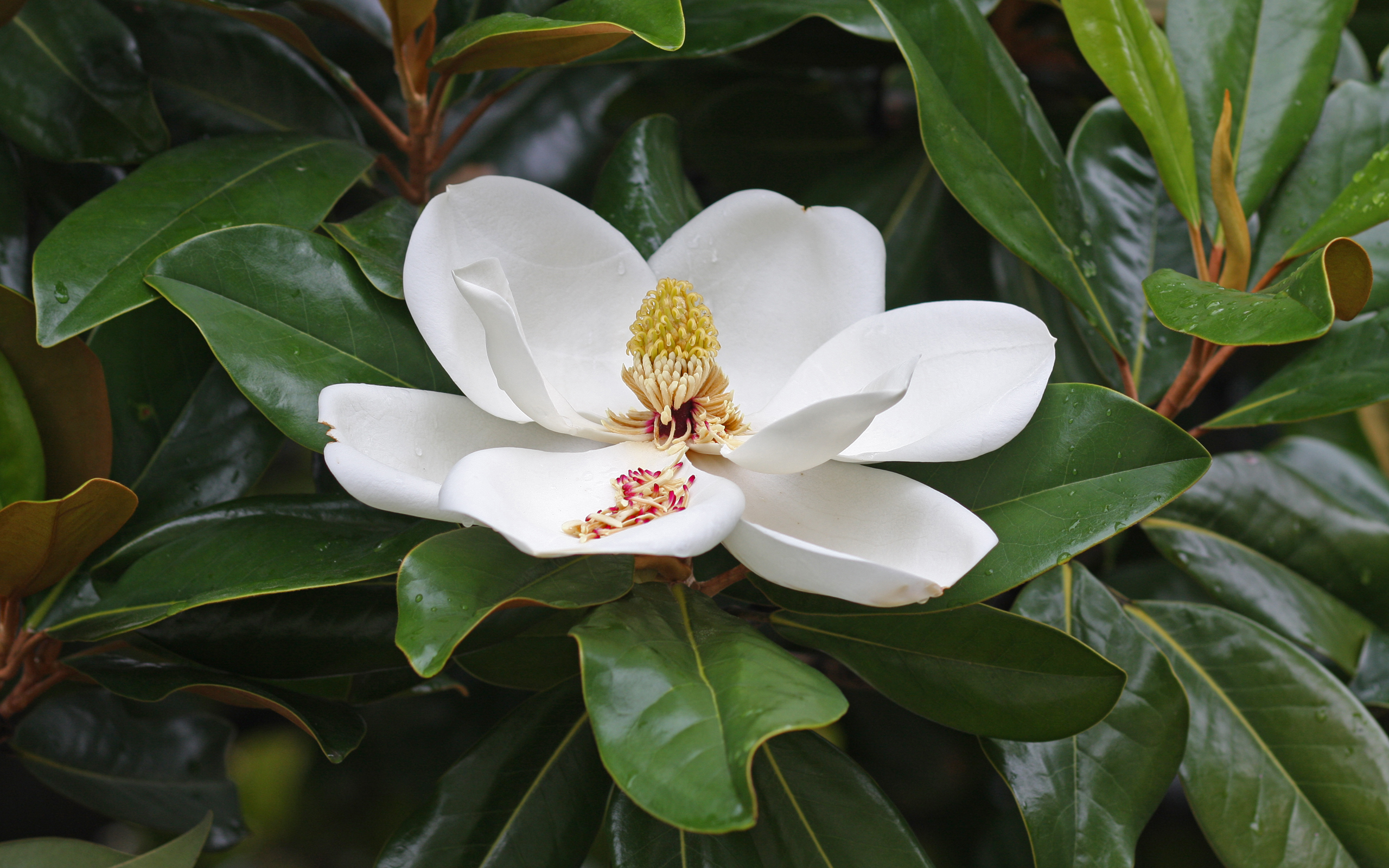
Dicots
Magnoliopsida
135M years ago
Dicots are a class of flowering plants (angiosperms) with two seed leaves (cotyledons) and usually have broad leaves.
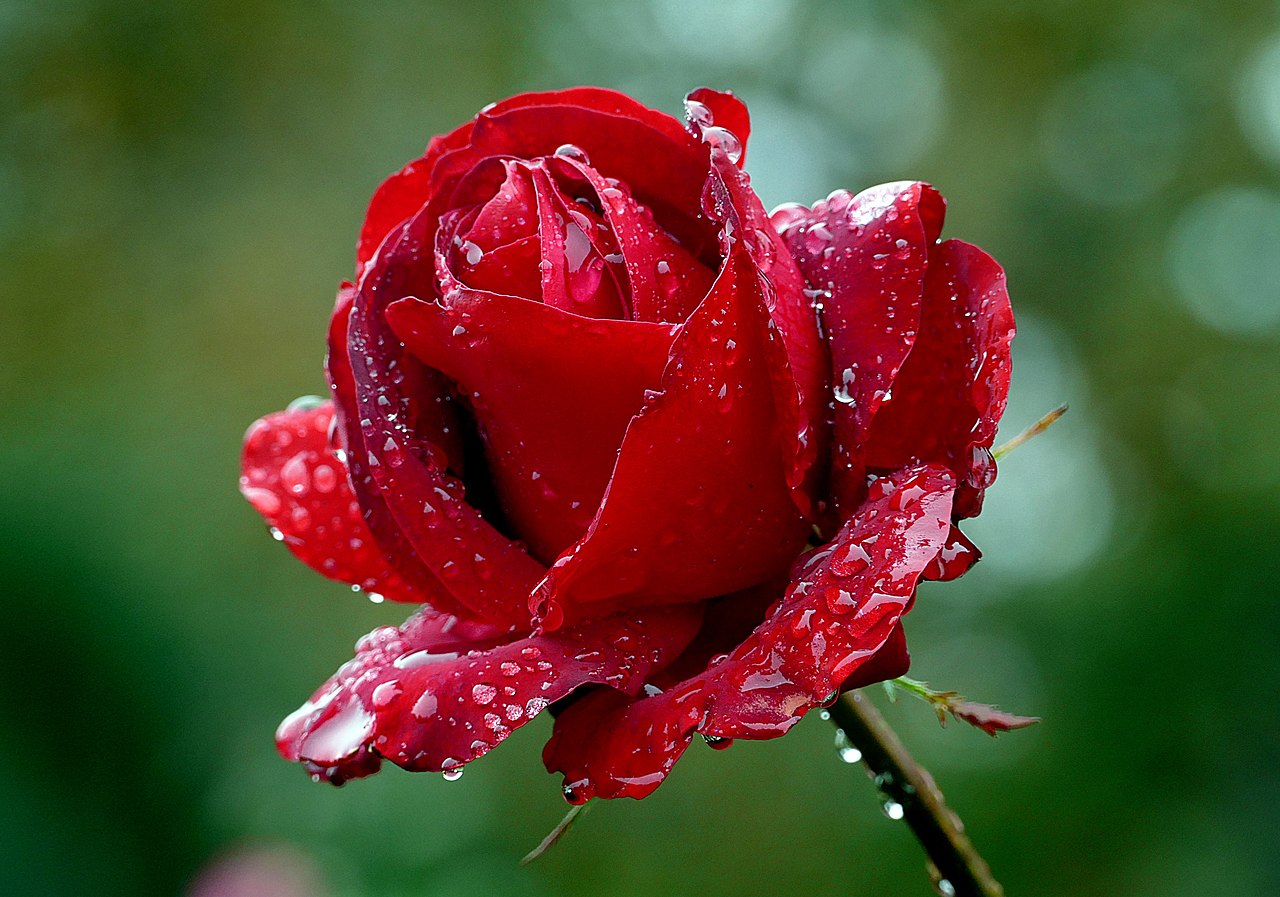
Roses, strawberries, and allies
Rosales
90M years ago
A large order of diverse flowering plants which includes the rose family (Rosaceae). It contains herbs, shrubs, and trees, many of which are of great economic importance.
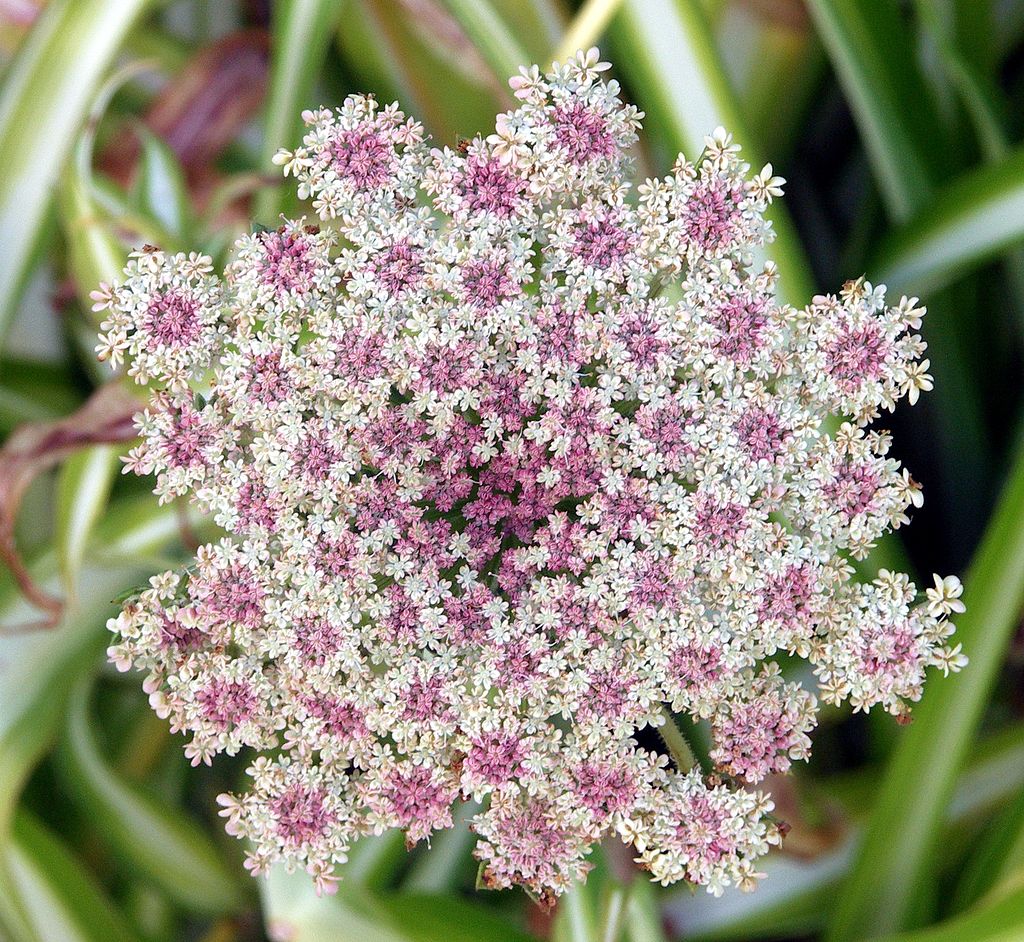
Carrots, celery, and allies
Apiales
93M years ago
Apiales is an order of flowering plants that includes carrots, celery, coriander, parsley, and ginseng. Many members have aromatic foliage and produce umbels of flowers.
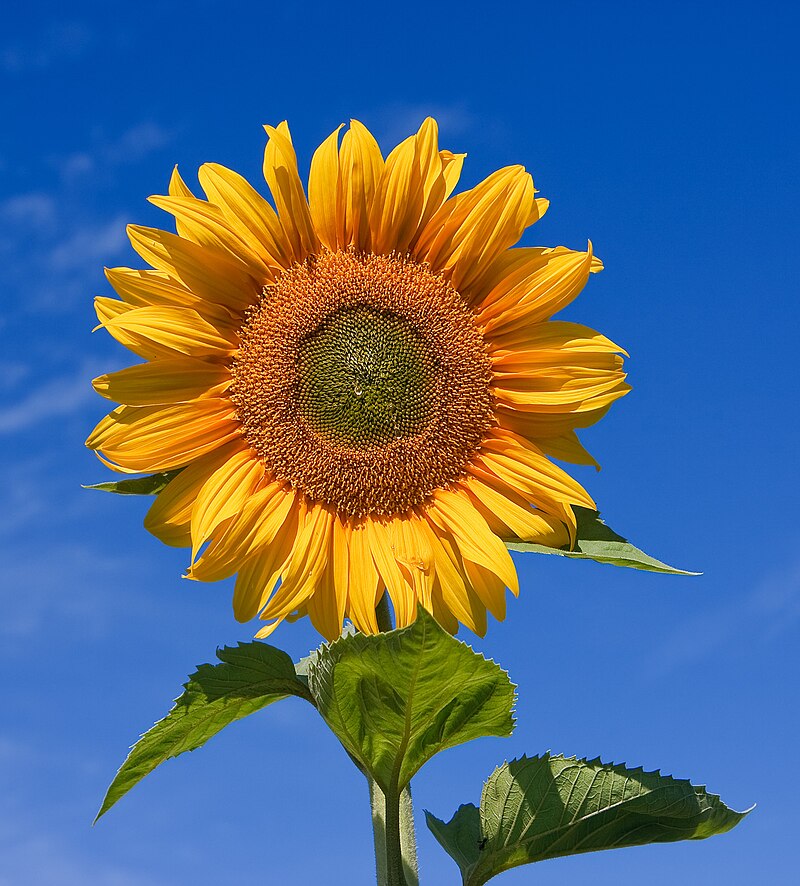
Daisies, sunflowers, and allies
Asterales
82M years ago
Asterales is an order of flowering plants that includes daisies, sunflowers, and lettuce. It is one of the largest and most diverse orders of dicots.
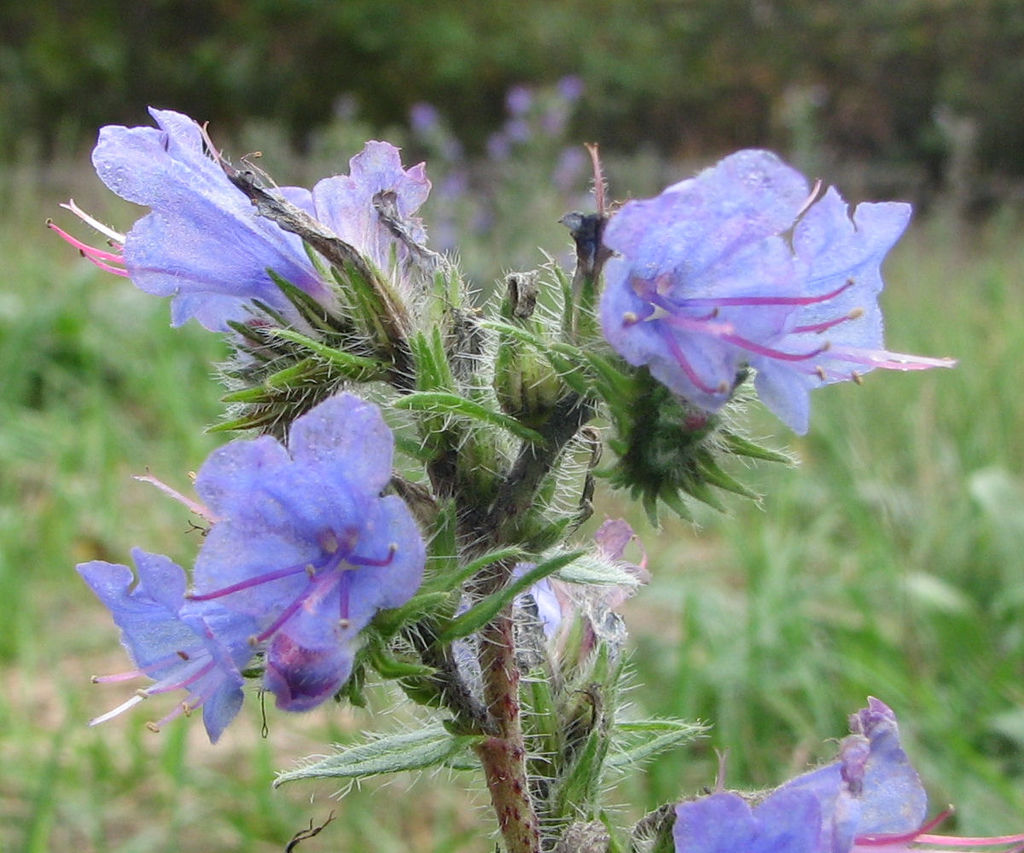
Borage, forget-me-nots, and allies
Boraginales
83M years ago
Boraginales is an order of flowering plants that includes borage and forget-me-nots. They are often characterized by hairy foliage and coiled clusters of flowers.
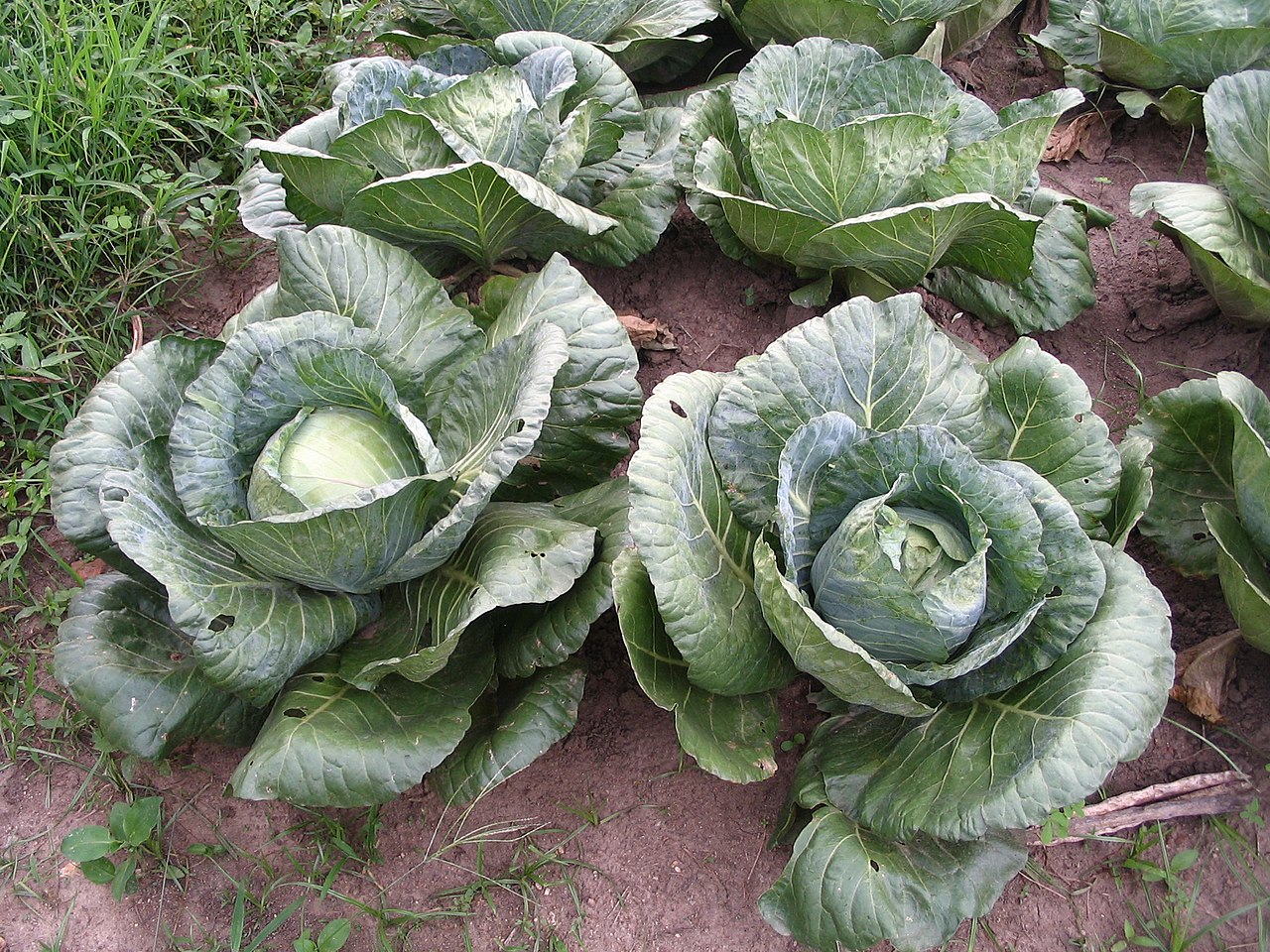
Cabbages, mustards, and allies
Brassicales
103M years ago
The Brassicales are an order of flowering plants that includes well-known members like cabbage, cauliflower, broccoli, and mustard. A common characteristic of many plants in this order is the production of glucosinolate compounds, also known as mustard oils.
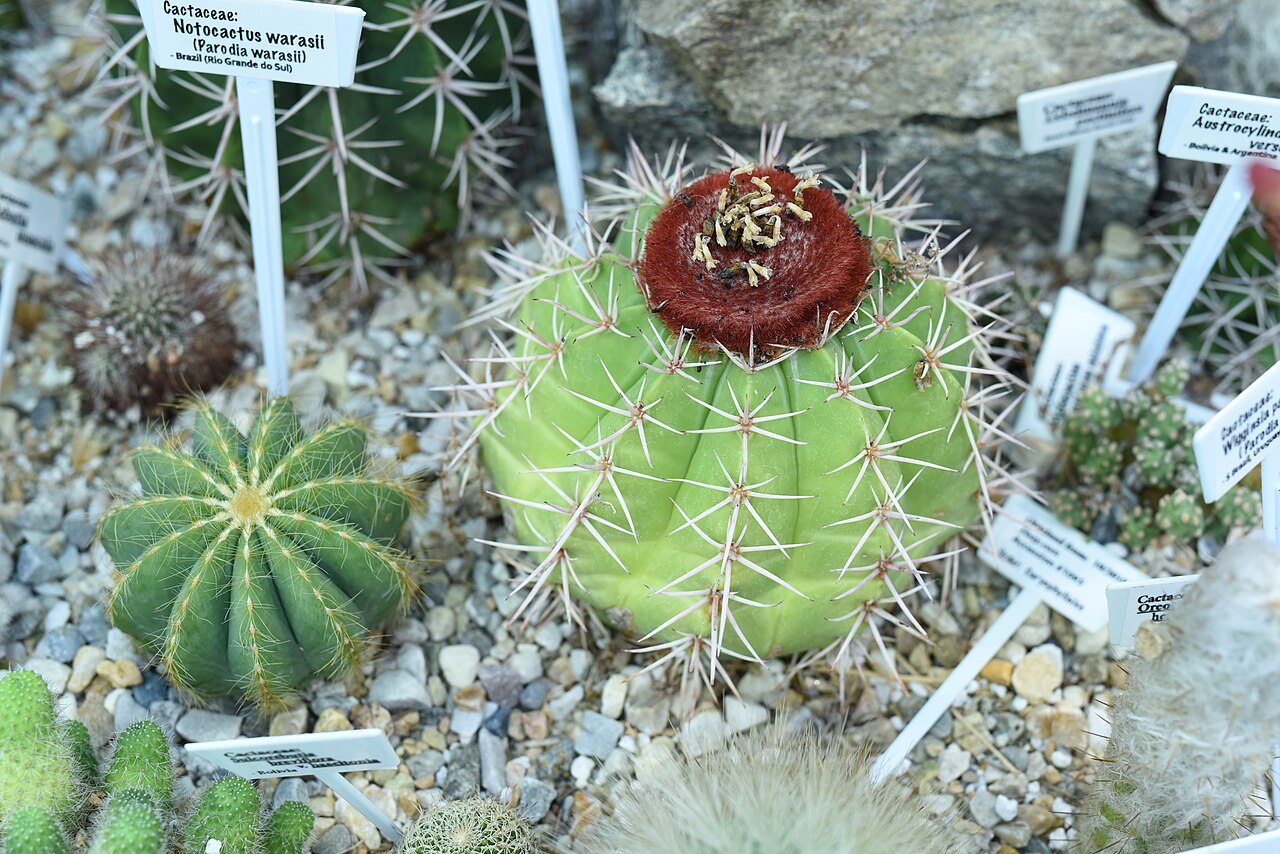
Carnations, cacti, and allies
Caryophyllales
124M years ago
Caryophyllales is an order of flowering plants that includes carnations, cacti, and spinach. They are a diverse group adapted to a wide range of habitats.
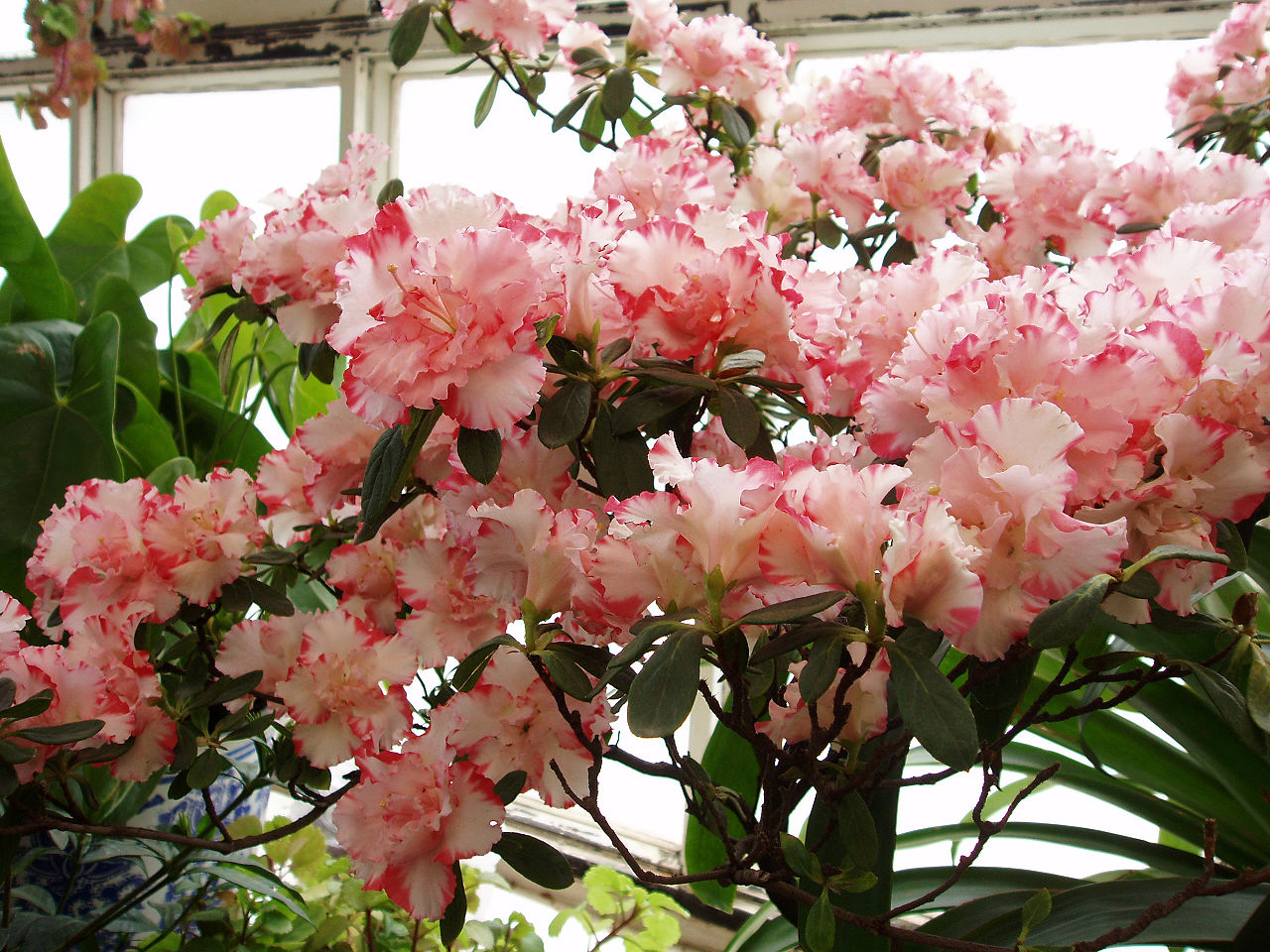
Blueberries, azaleas, and allies
Ericales
110M years ago
Ericales is a large and diverse order of flowering plants that includes blueberries, cranberries, and azaleas. Many species are adapted to acidic soils.
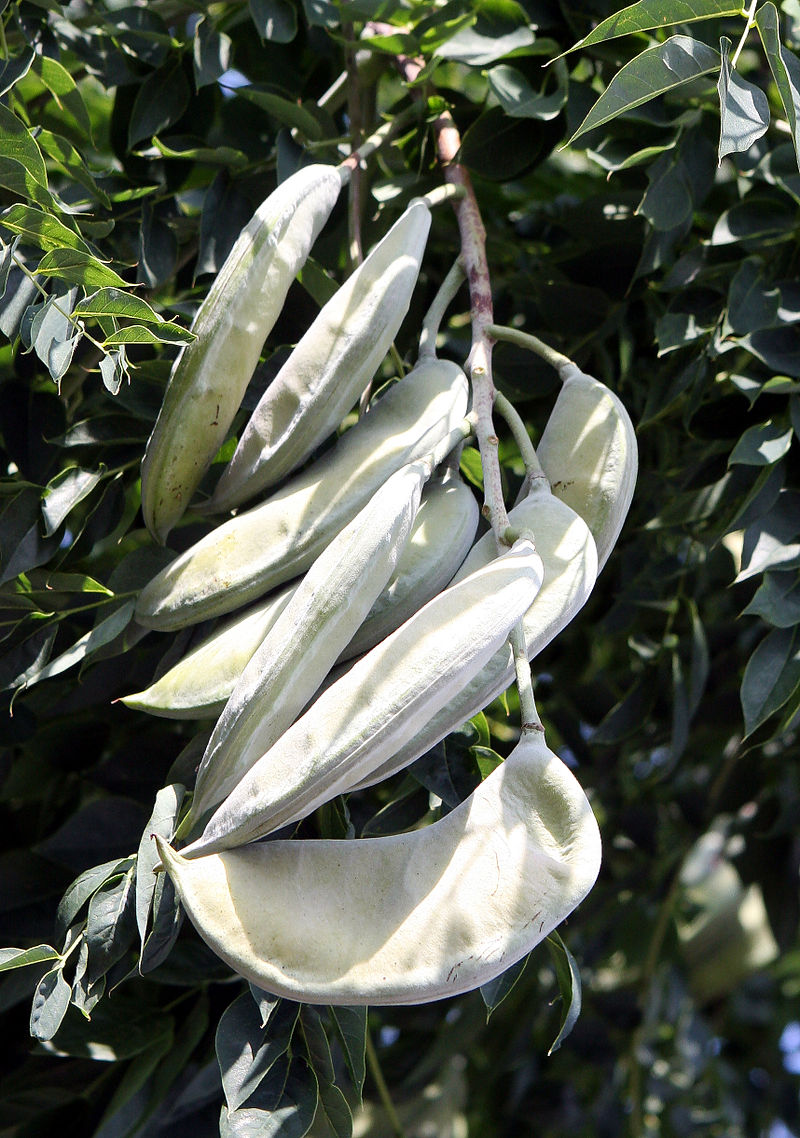
Beans, peas, and allies
Fabales
94M years ago
Fabales is an order of flowering plants that includes the legume family (Fabaceae), milkworts (Polygalaceae), and others. This order is economically important as a source of food and contains a vast diversity of species.
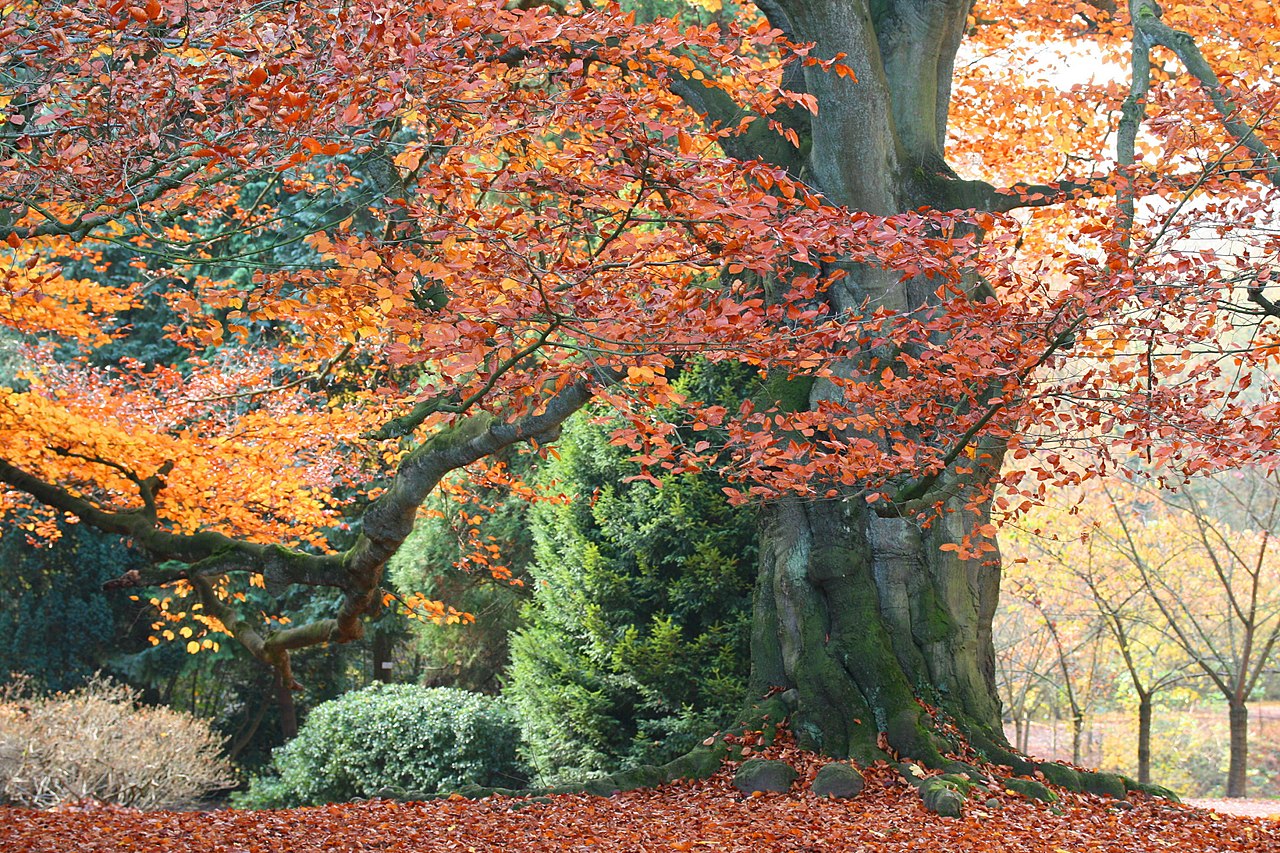
Beeches, oaks, and allies
Fagales
100M years ago
Fagales is an order of flowering plants that includes beeches, oaks, and birches. They are mostly wind-pollinated trees and shrubs.
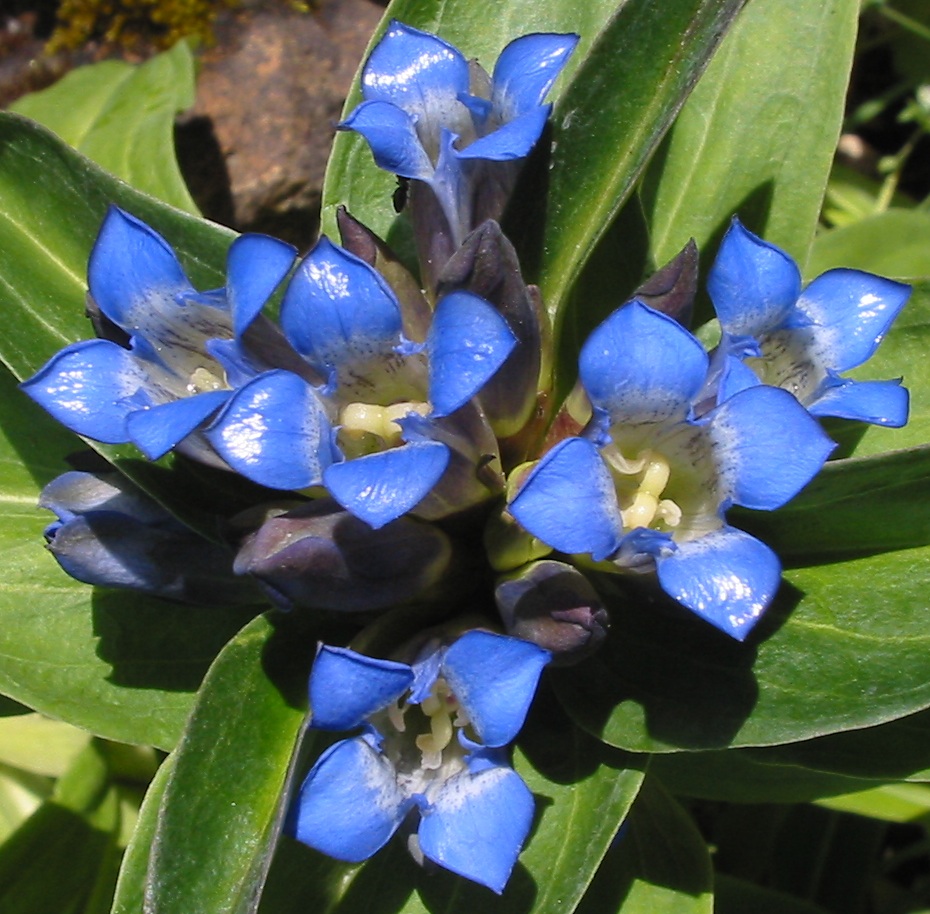
Coffee, gentians, and allies
Gentianales
81M years ago
Gentianales is an order of flowering plants that comprises over 20,000 species across 5 families. Many of these plants are used in traditional medicine and are known to contain toxic compounds. Well-known members include coffee, gardenia, and oleander.
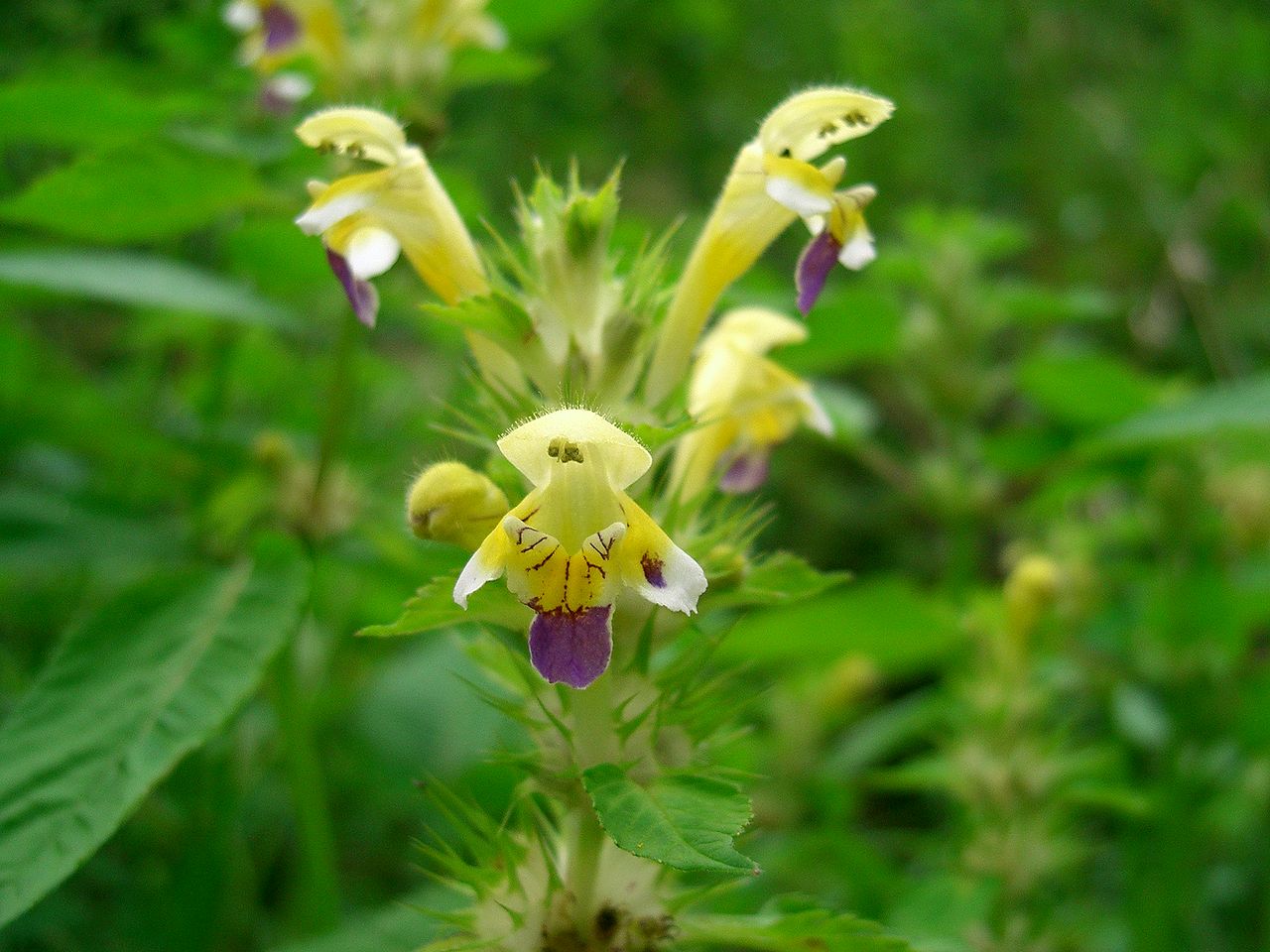
Mints, lavenders, and allies
Lamiales
102M years ago
The Lamiales, also known as the mint order, are a large order of flowering plants with over 23,000 species found worldwide. They are often characterized by square stems and aromatic leaves and include well-known culinary herbs like mint, basil, and rosemary.
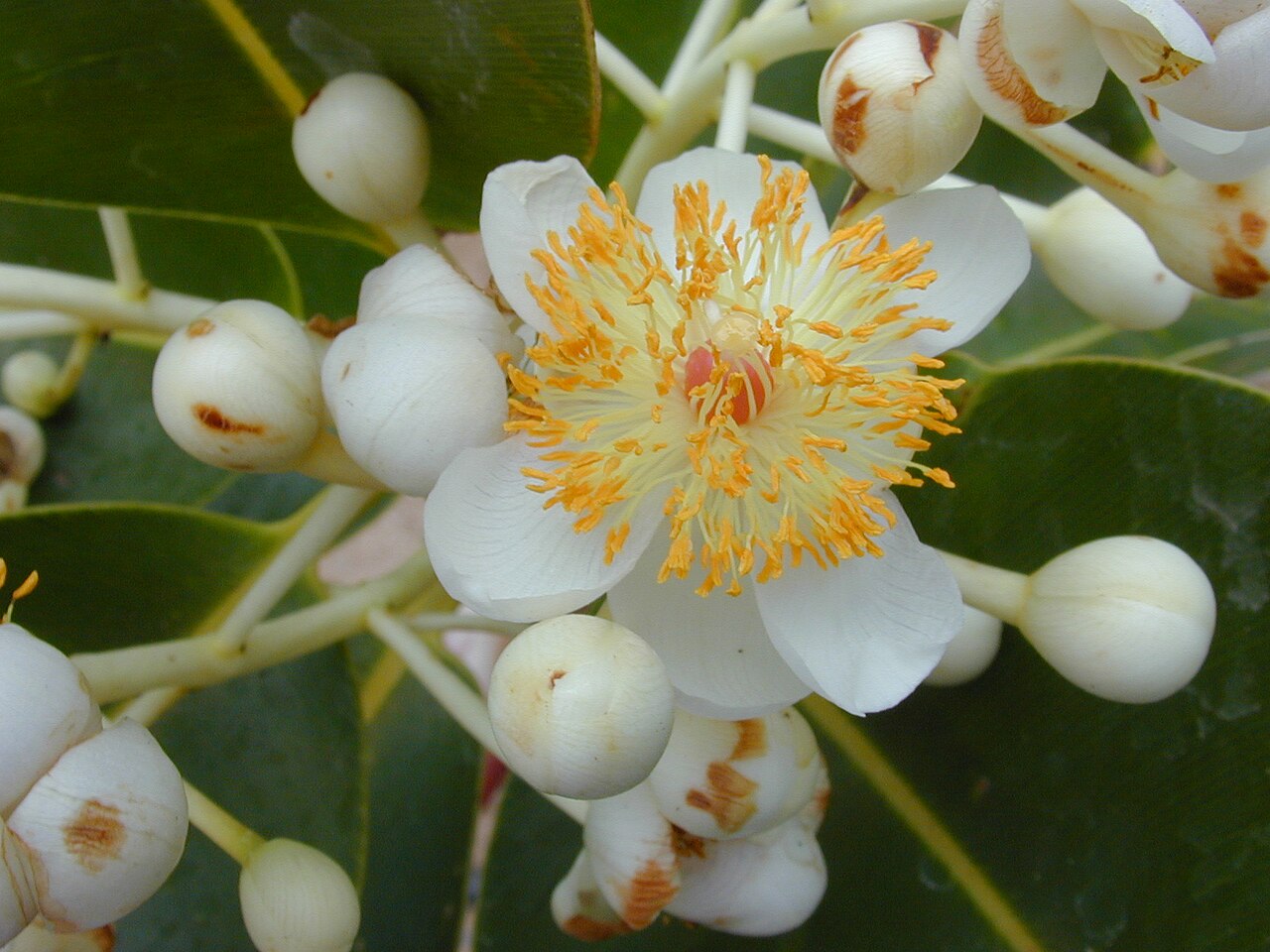
Willows, violets, and allies
Malpighiales
109M years ago
Malpighiales is a large and diverse order of flowering plants that includes willows, violets, and passionflowers. It is one of the largest orders of eudicots.
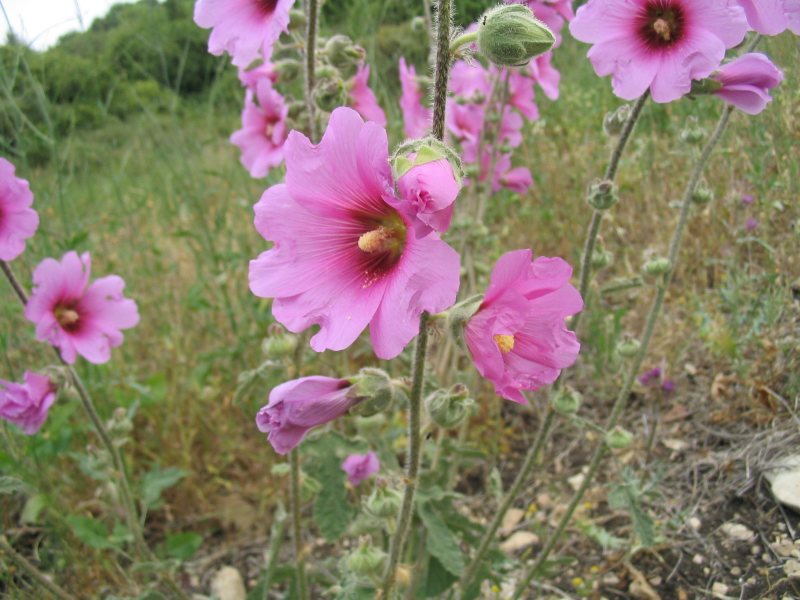
Cotton, cacao, and allies
Malvales
100M years ago
Malvales is an order of flowering plants that includes cotton, cacao, and hibiscus. Many members have mucilaginous sap.
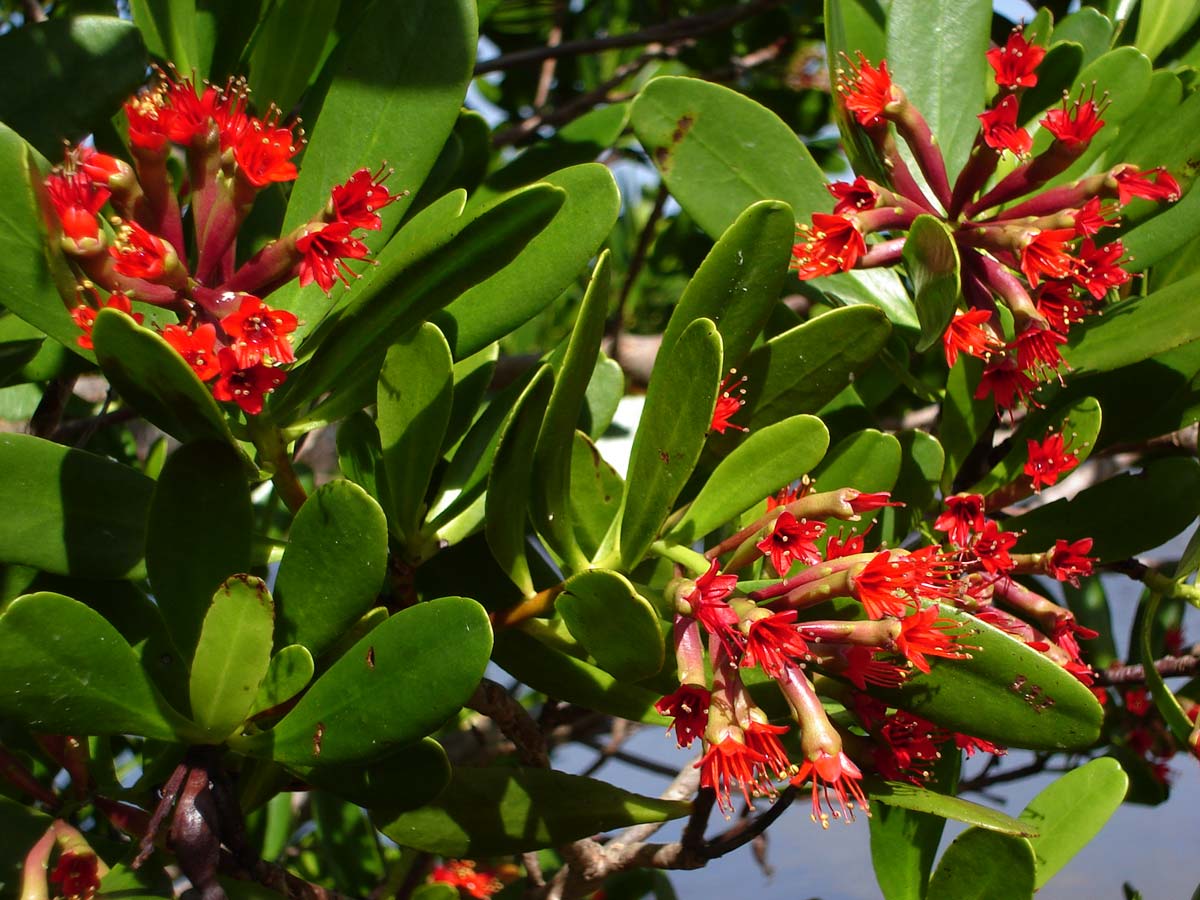
Myrtles, eucalypts, and allies
Myrtales
99M years ago
The Myrtales are an order of flowering plants that includes well-known species such as myrtle, eucalyptus, and guava. This order is primarily found in tropical and warmer regions and is characterized by the presence of a hypanthium, a cup-like structure that supports the floral organs.
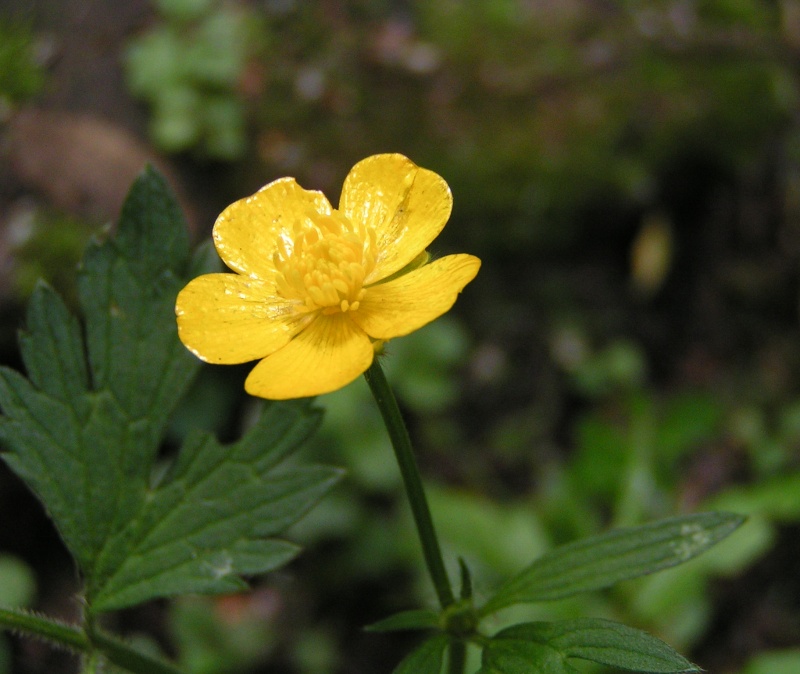
Buttercups, poppies, and allies
Ranunculales
125M years ago
Ranunculales is an order of flowering plants that includes the buttercup family (Ranunculaceae). This order contains a wide variety of plants, from herbs and vines to shrubs, which are found in diverse habitats across the globe.
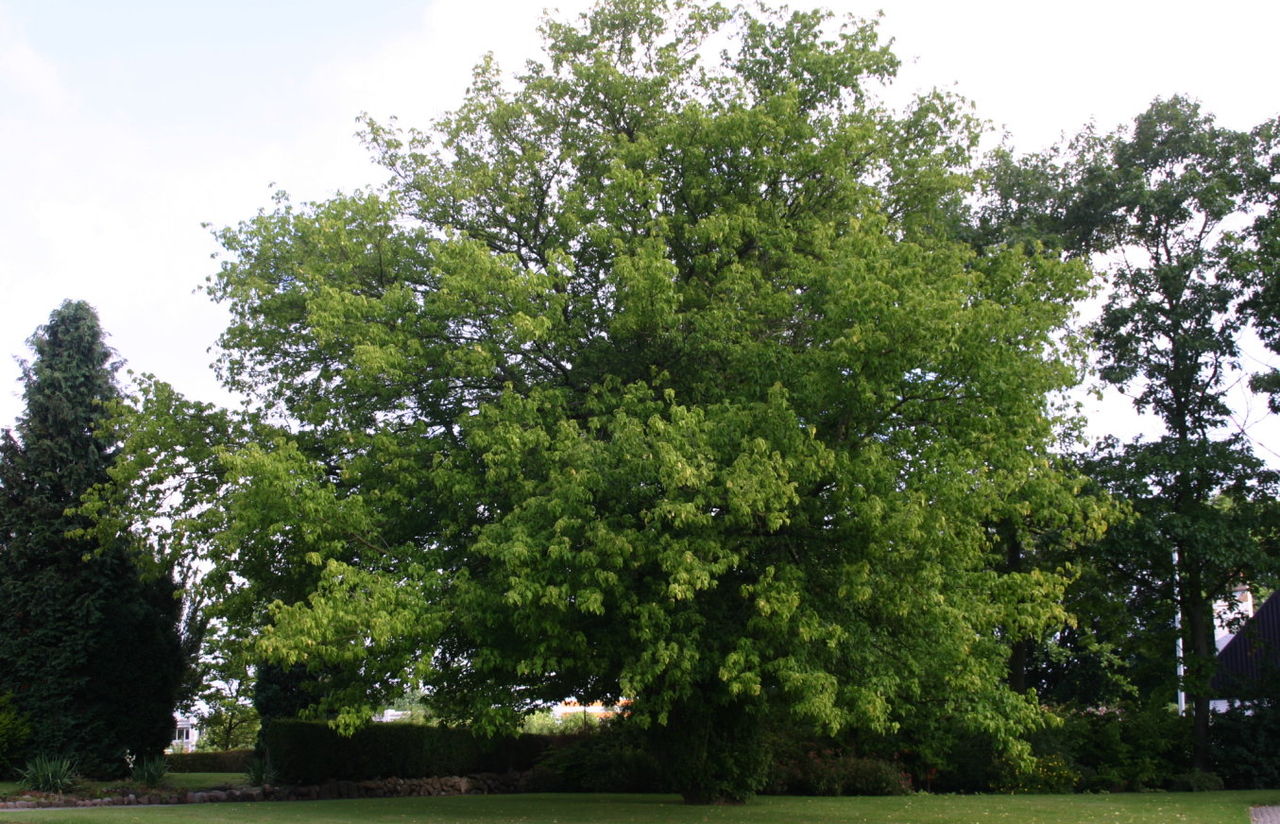
Maples, cashews, and allies
Sapindales
95M years ago
Sapindales is an order of flowering plants that includes maples, cashews, and citrus fruits. Many species are economically important for their wood and fruit.
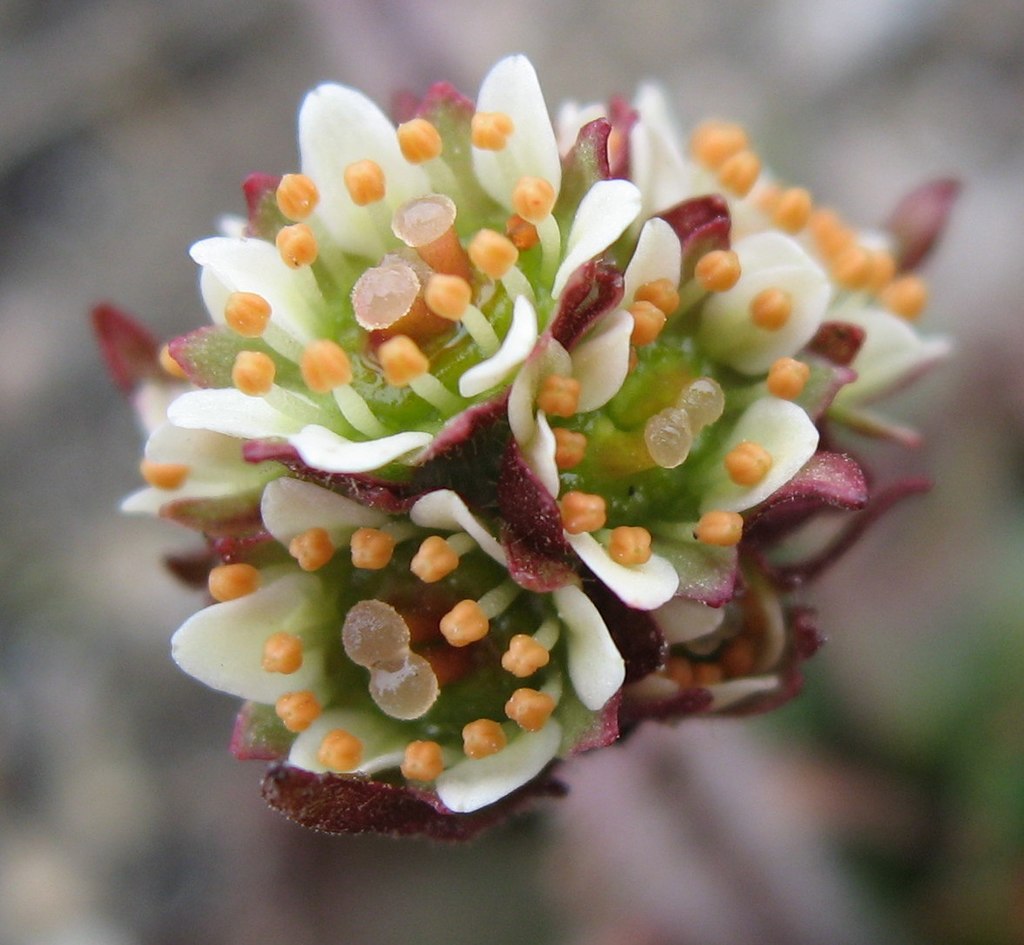
Stonecrops, saxifrages, and allies
Saxifragales
120M years ago
Saxifragales is an order of flowering plants that includes stonecrops, saxifrages, and witch hazels. It is a morphologically diverse group.
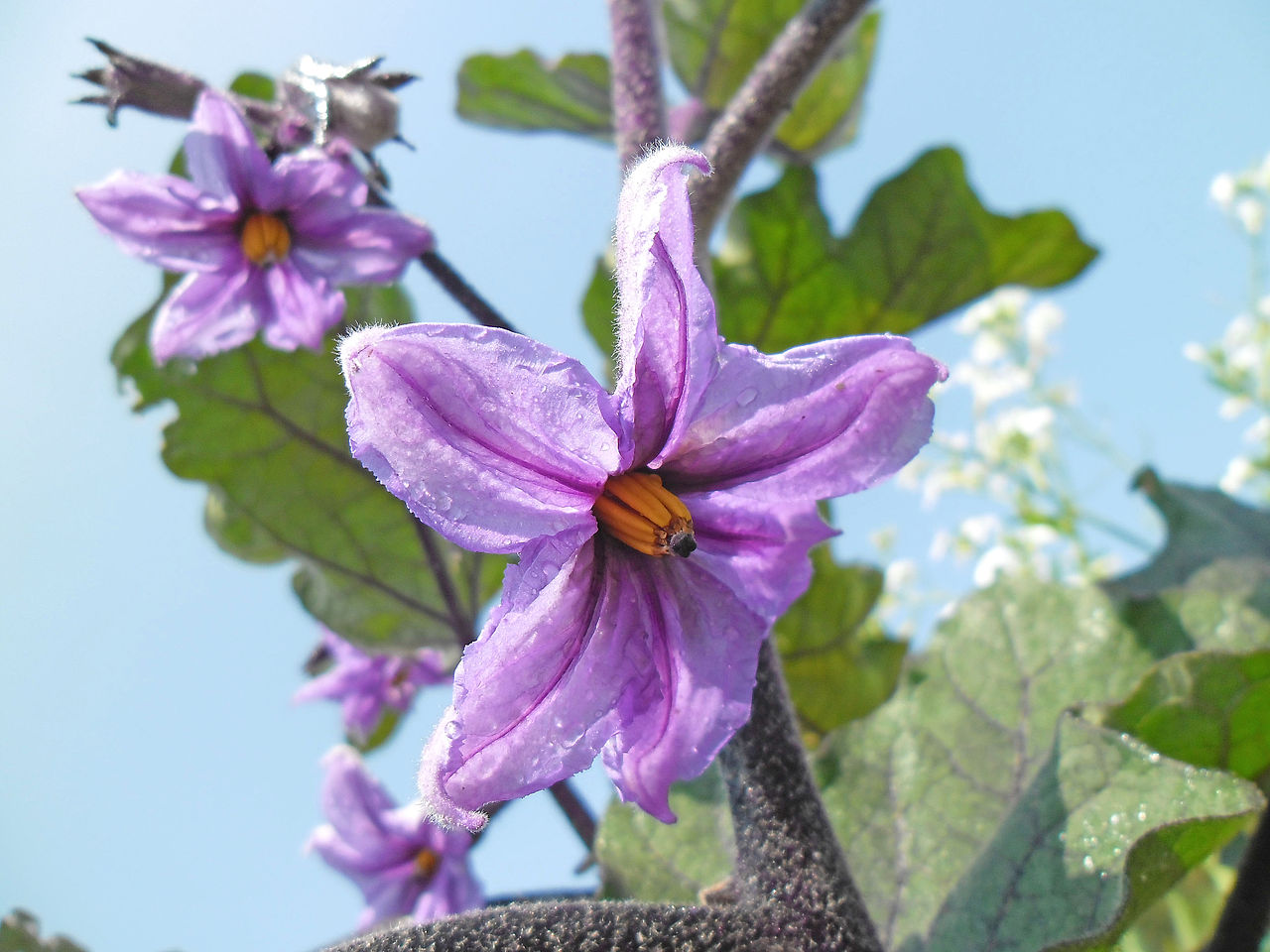
Potatoes, tomatoes, and allies
Solanales
83M years ago
Solanales is an order of flowering plants that includes potatoes, tomatoes, and petunias. Many members produce alkaloids, some of which are toxic.
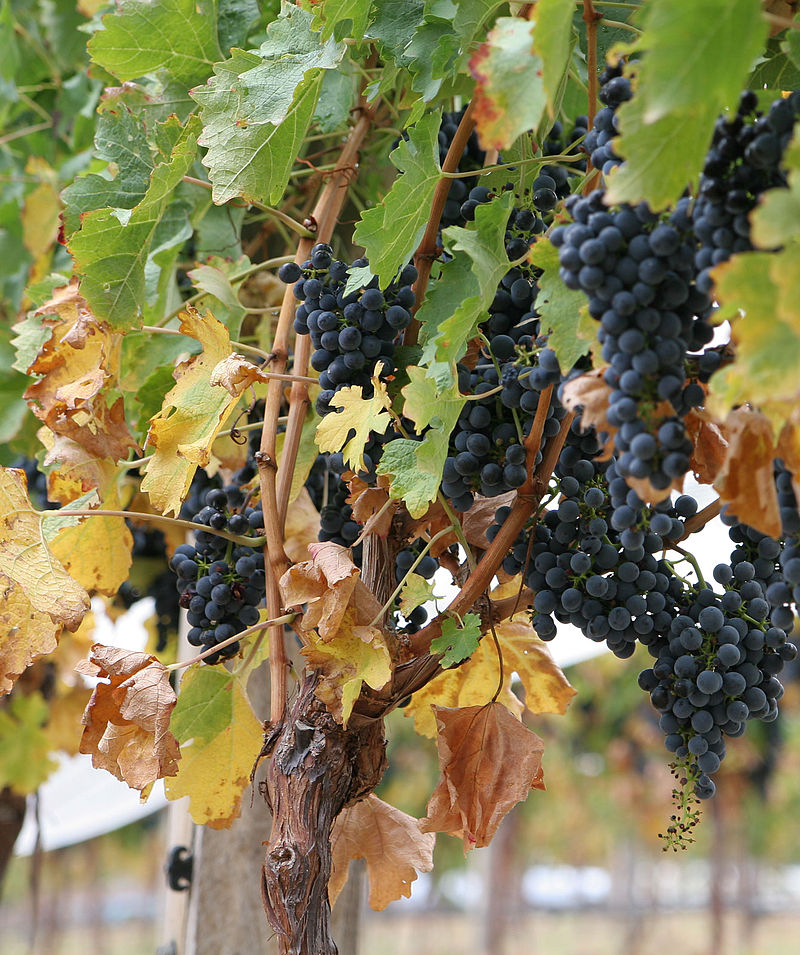
Grapevines and allies
Vitales
99M years ago
Vitales is an order of flowering plants that contains the grapevine family. They are primarily woody vines with tendrils for climbing.
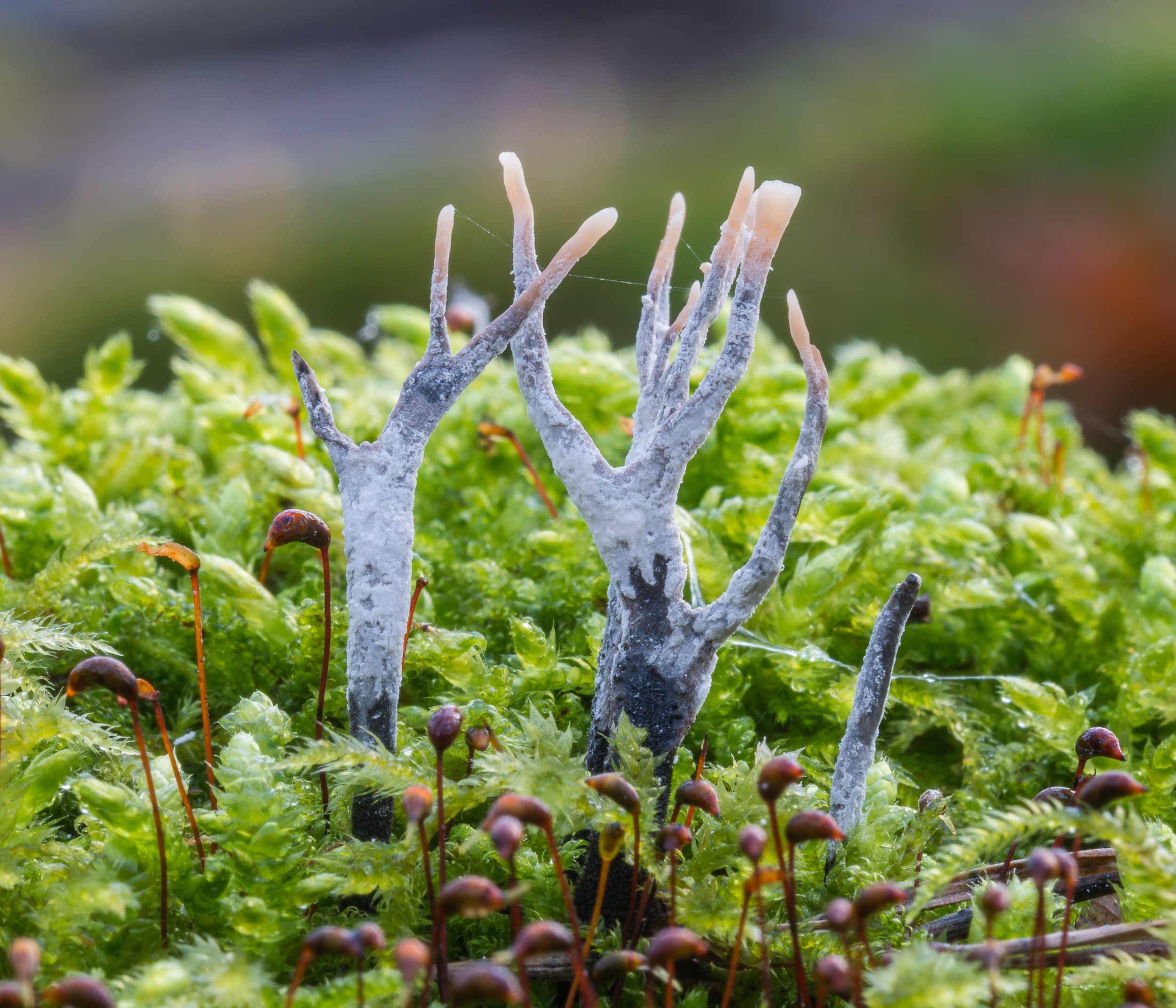
Fungi
Fungi
1.5B years ago
Fungi are eukaryotic organisms that include microorganisms such as yeasts, moulds and mushrooms. They are classified as heterotrophs and have a cell wall.
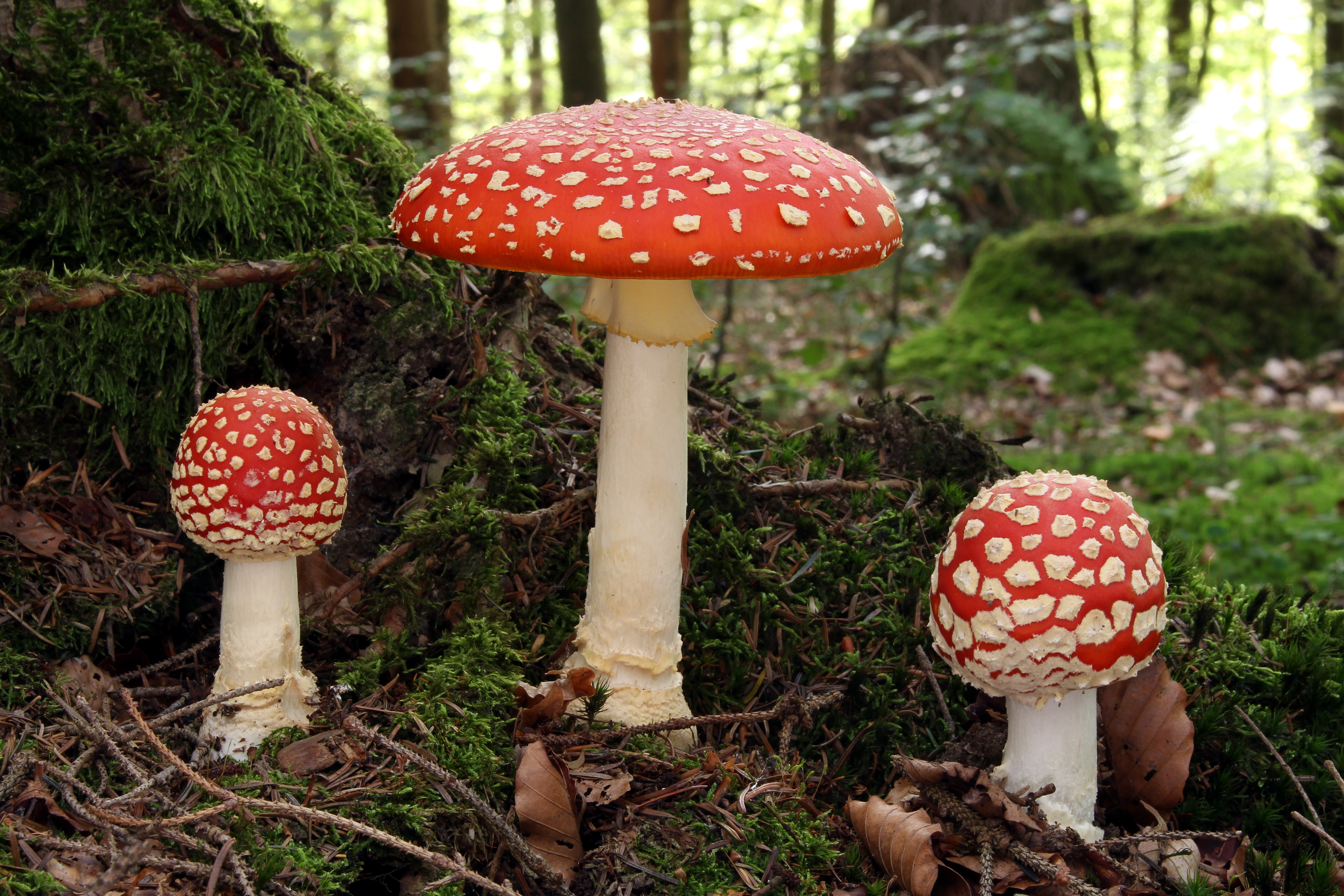
Club fungi
Basidiomycota
570M years ago
Club fungi include mushrooms and toadstools, which produce spores on specialized structures called basidia.
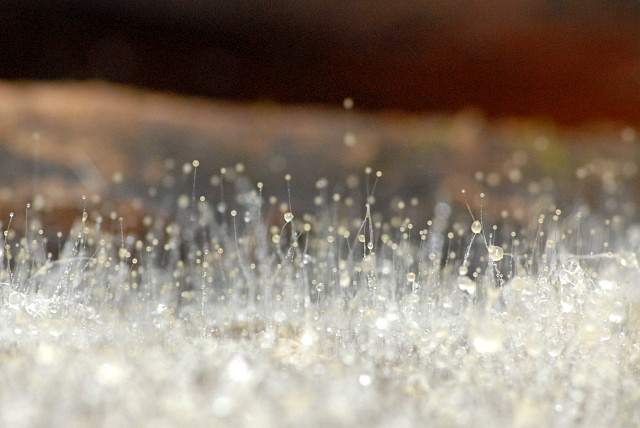
Zygote fungi
Zygomycota
1B years ago
Zygote fungi include molds and are characterized by their production of zygospores during sexual reproduction.
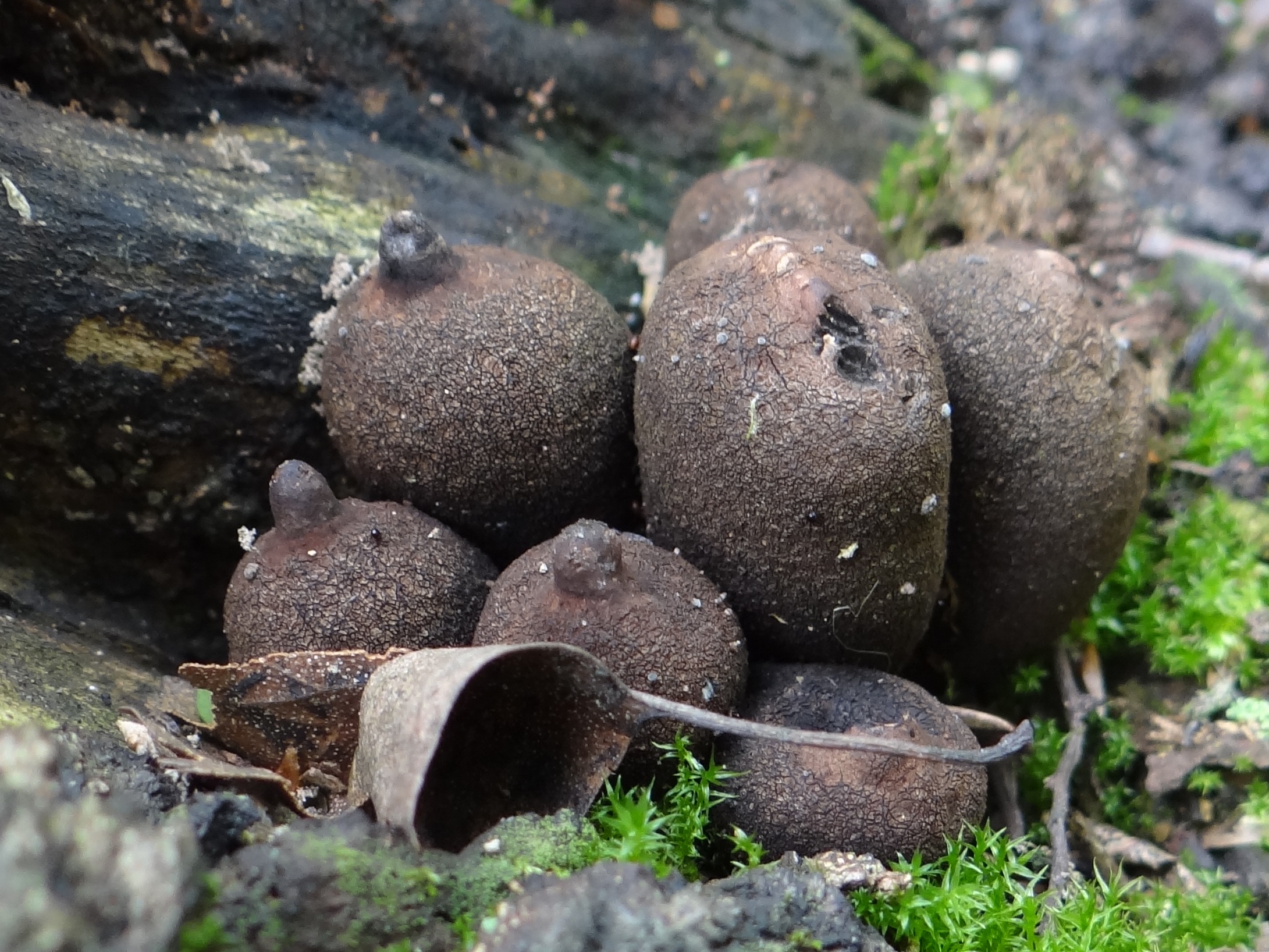
Sac fungi
Ascomycota
570M years ago
Sac fungi produce spores in sac-like structures called asci. This group includes yeasts, molds, and morels.
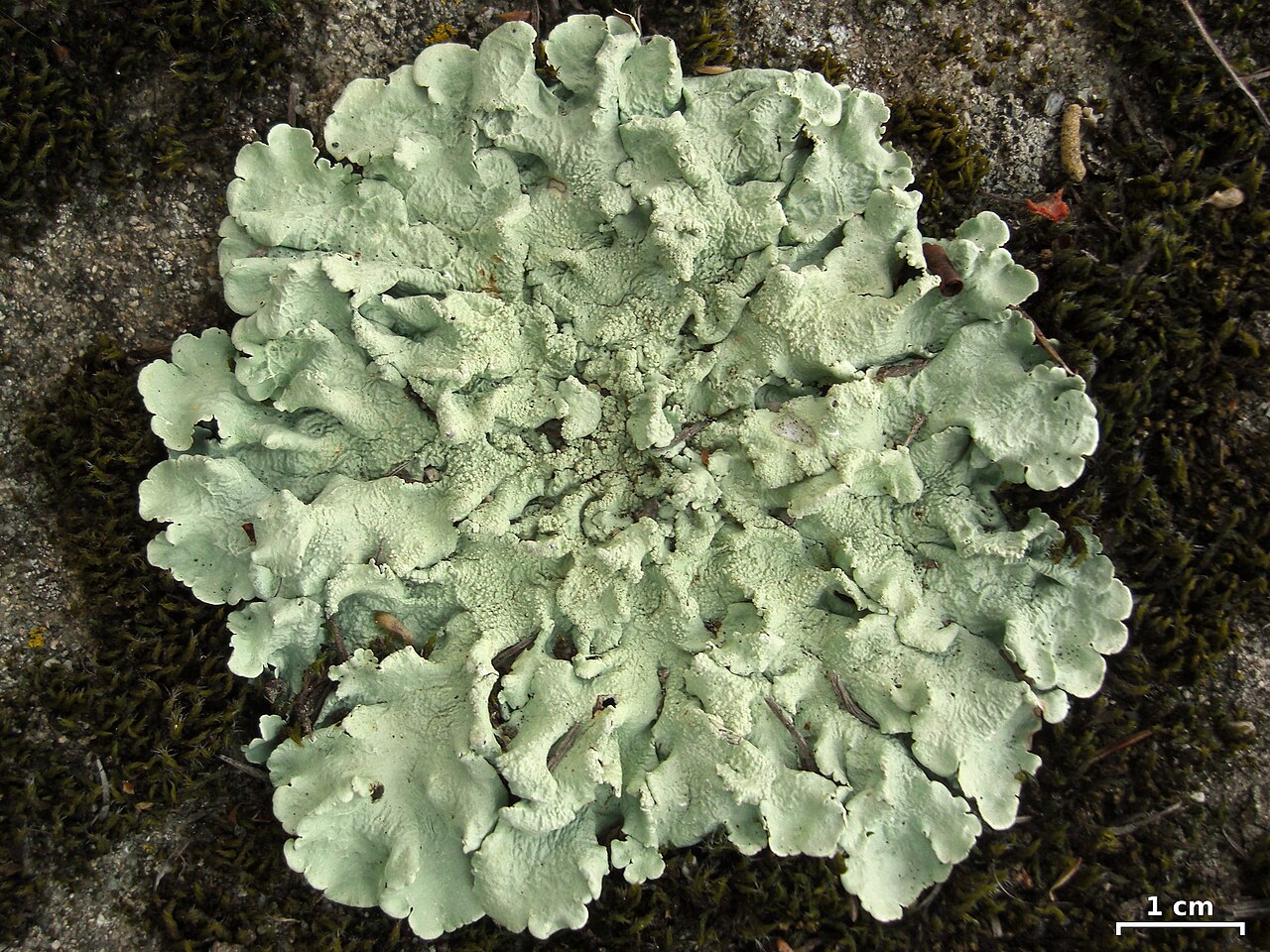
Lichenized fungi
Lecanoromycetes
400M years ago
The largest class of lichen-forming fungi. A lichen is a composite organism that arises from algae or cyanobacteria living among filaments of multiple fungi species in a mutualistic relationship.
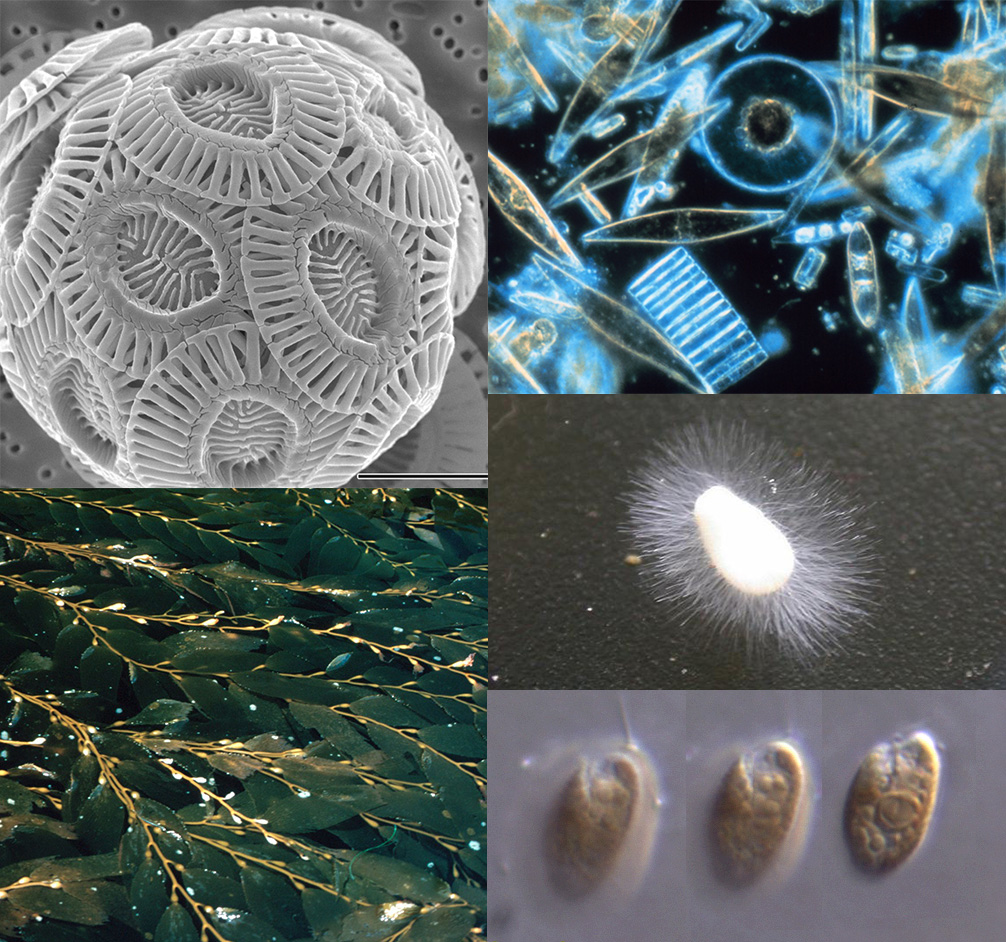
Chromists
Chromista
1B years ago
A kingdom of eukaryotic organisms, including many types of algae and other protists. Many are photosynthetic. Many chromists acquired photosynthesis through secondary endosymbiosis, by engulfing a red alga.
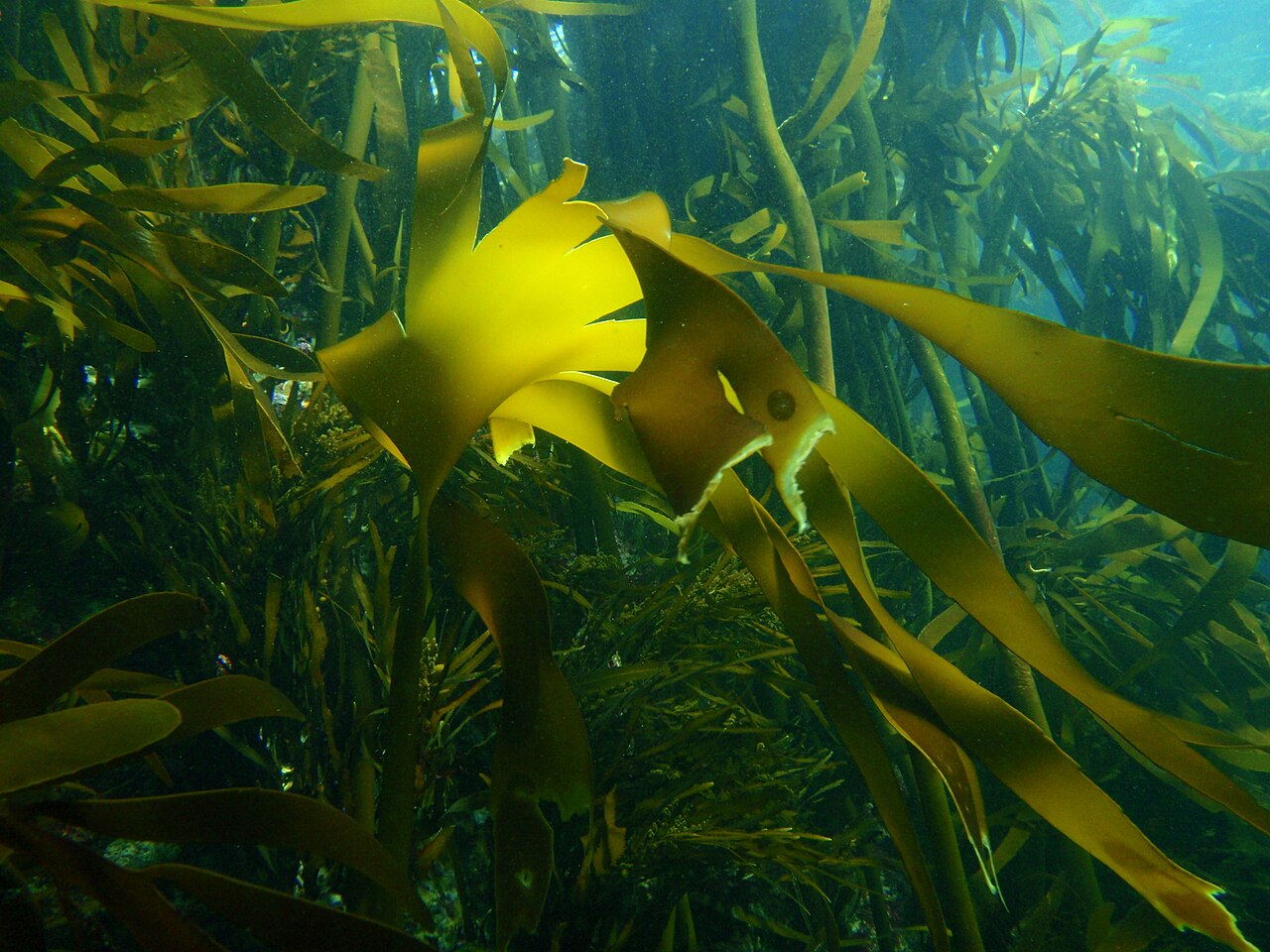
Ochrophytes
Ochrophyta
900M years ago
A major group of heterokonts, including a wide range of algae from giant kelp to single-celled diatoms.
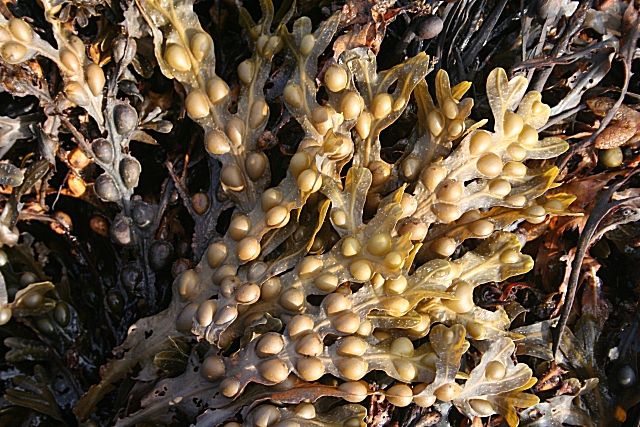
Brown algae
Phaeophyceae
150M years ago
Commonly known as brown algae, this class includes many large, multicellular marine seaweeds, such as kelp.
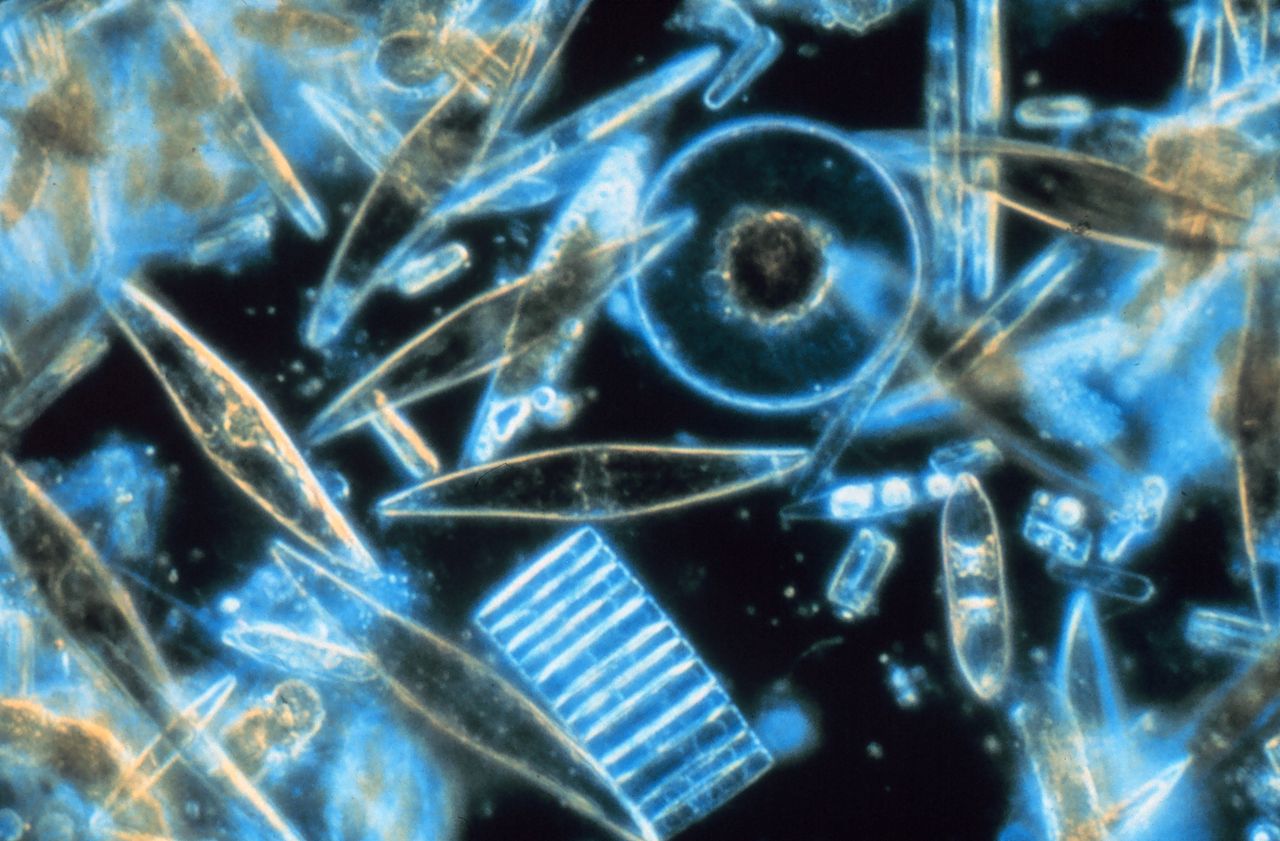
Diatoms
Diatomeae
200M years ago
Diatoms are a major group of microalgae, and are among the most common types of phytoplankton. They are enclosed within a cell wall made of silica called a frustule. Living diatoms make up a significant portion of Earth's biomass. They generate about 20 to 50 percent of the oxygen produced on the planet each year.
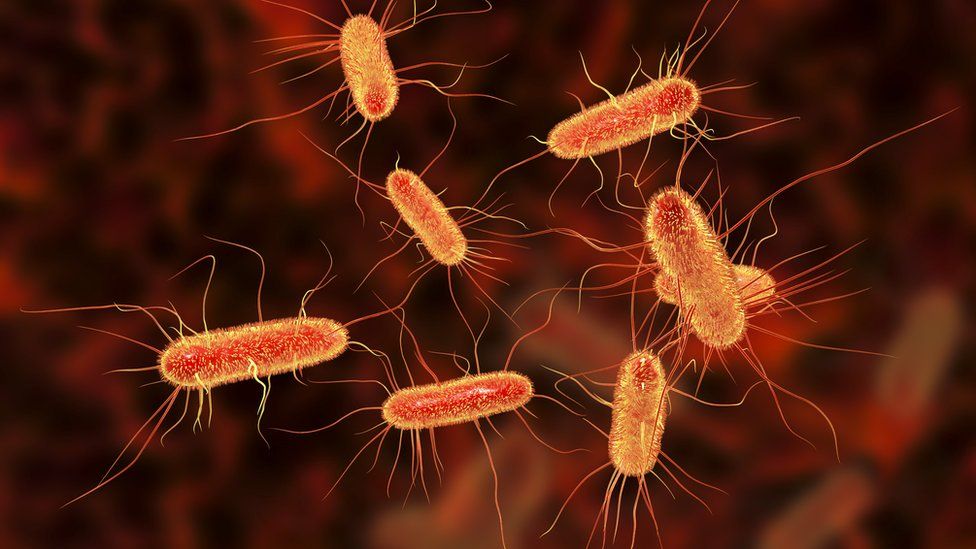
Bacteria
Bacteria
3.5B years ago
Bacteria are a domain of prokaryotic microorganisms. They are ubiquitous, found in almost every habitat on Earth. While some bacteria are pathogenic, most are harmless or beneficial, playing crucial roles in ecosystems. There are 6 kingdoms and 89 recognized phyla of bacteria.
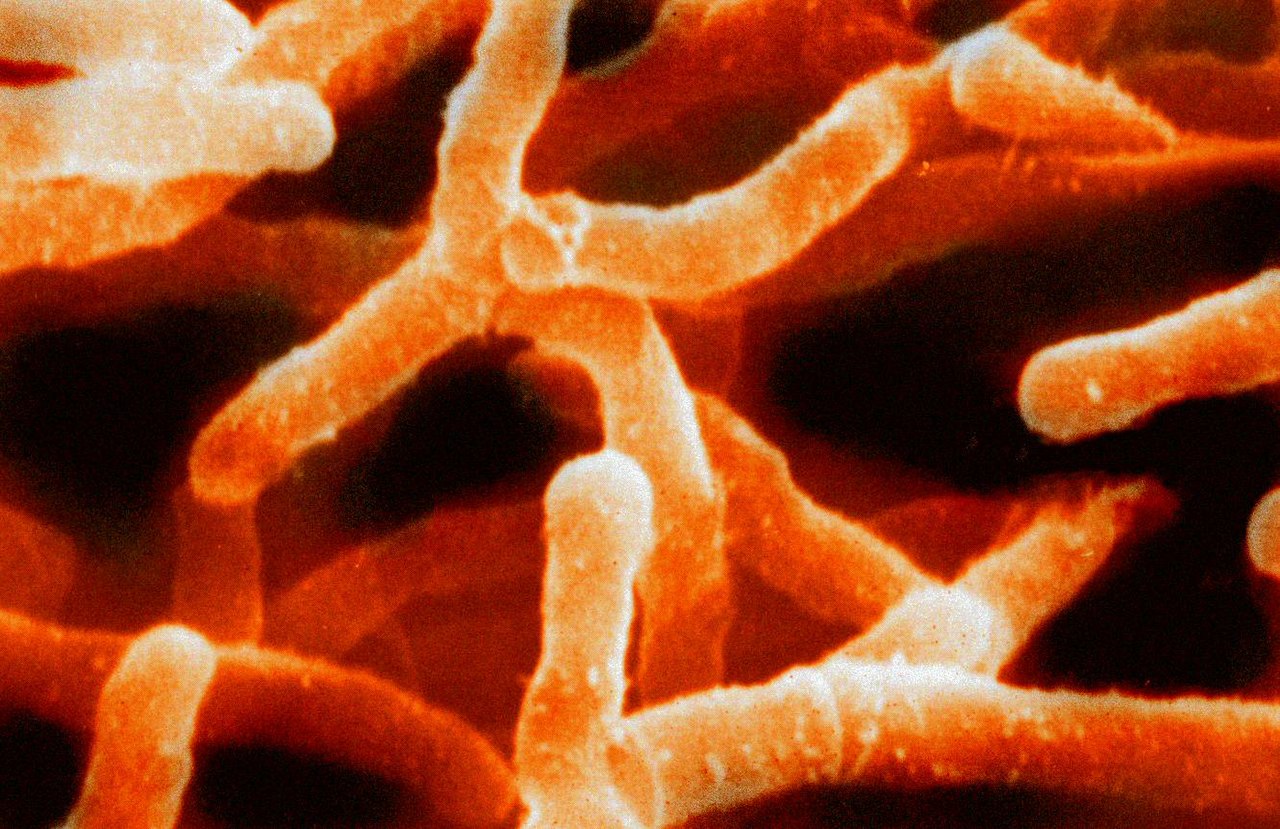
Gram-positive bacteria
Bacillati
3B years ago
Bacillati (or Terrabacteria) is a major clade of bacteria, thought to have adapted to life on land. It includes many Gram-positive bacteria as well as the photosynthetic Cyanobacteria.
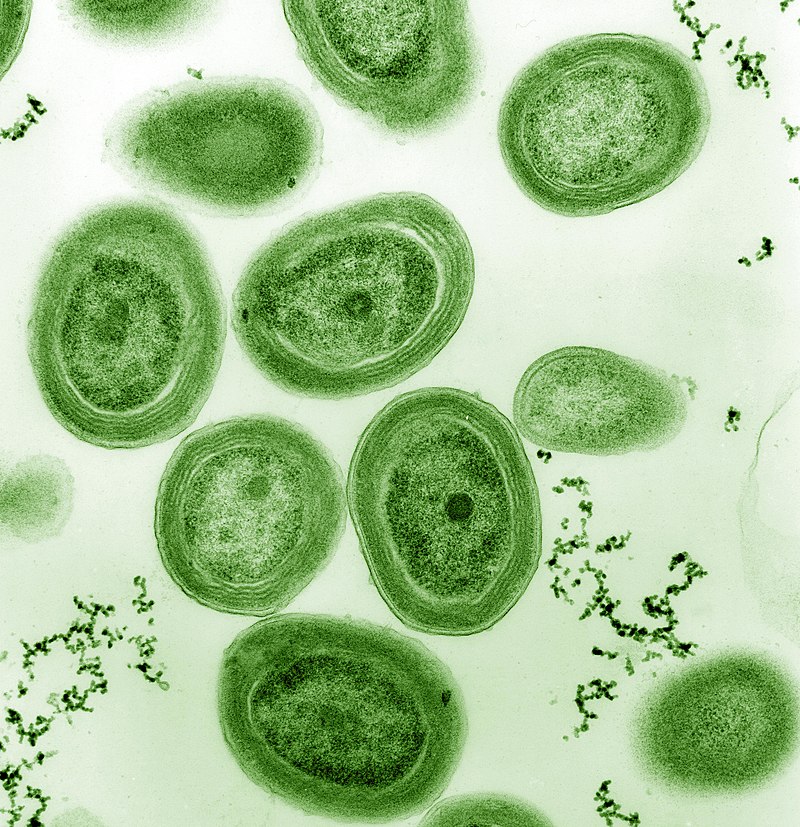
Cyanobacteria
Cyanobacteriota
2.7B years ago
A phylum of photosynthetic bacteria, also known as blue-green algae. They are responsible for the oxygenation of Earth's atmosphere.
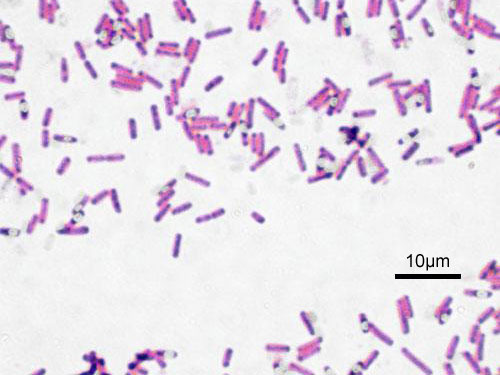
Bacillota
Bacillota
3B years ago
Bacillota includes well-known groups like Bacillus and Clostridium. Many Bacillota produce endospores, which are resistant to desiccation and can survive extreme conditions.
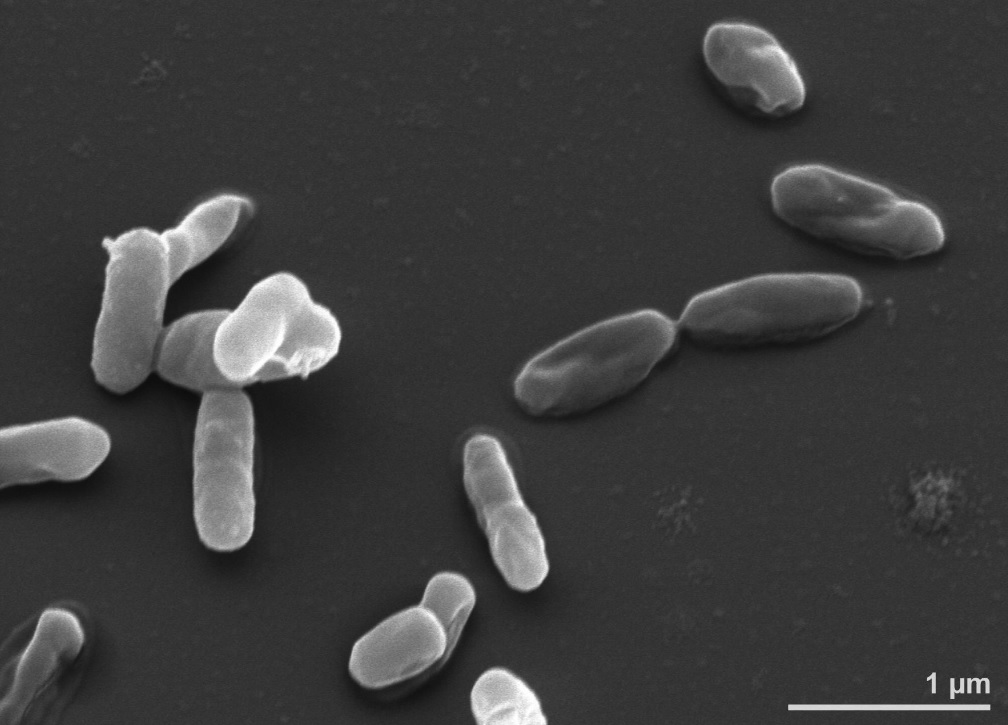
Actinomycetota
Actinomycetota
2.5B years ago
Actinomycetota are a phylum of Gram-positive bacteria known for their filamentous, fungus-like growth and for producing many important antibiotics. In soil they help to decompose the organic matter of dead organisms so the molecules can be taken up anew by plants.
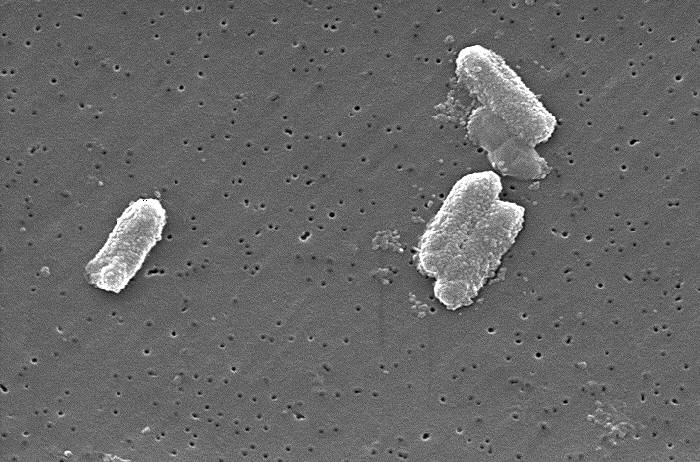
Gram-negative bacteria
Gracilicutes
3B years ago
Gracilicutes is a major clade of bacteria characterized by a diderm (double-membrane) cell envelope, corresponding to most Gram-negative bacteria. This group exhibits incredible metabolic diversity.
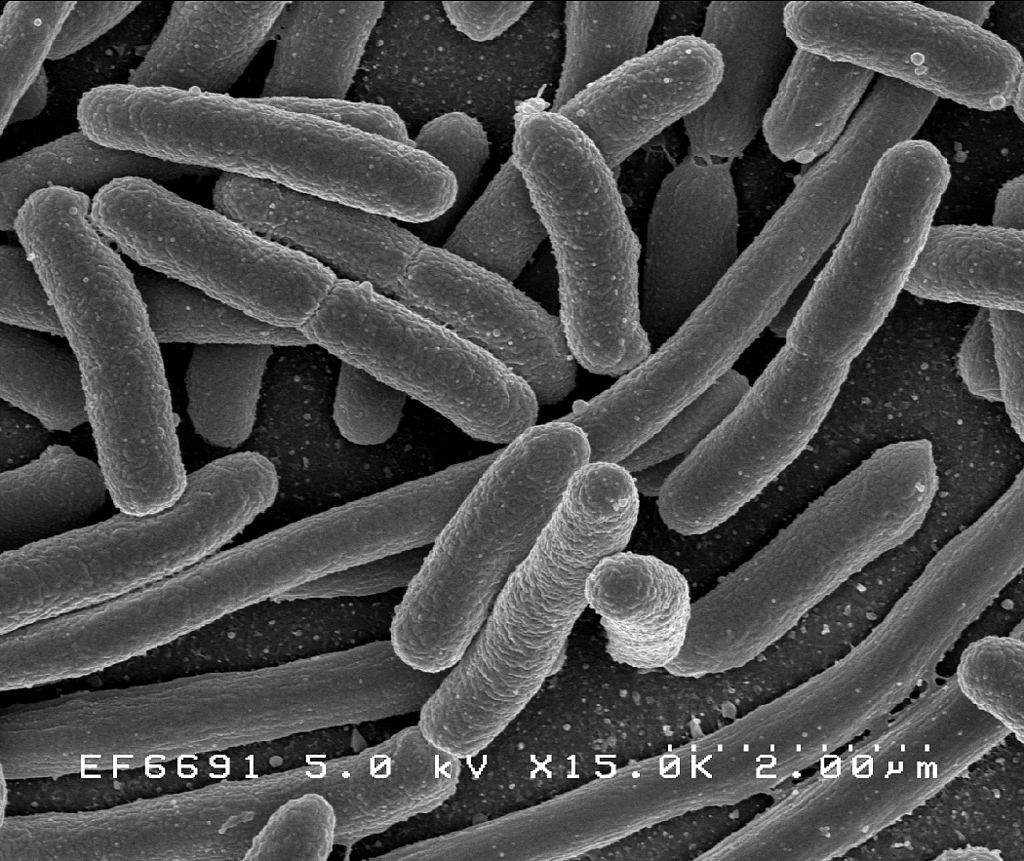
Pseudomonadota
Pseudomonadota
3.2B years ago
Pseudomonadota (formerly Proteobacteria) is a major phylum of Gram-negative bacteria with enormous metabolic and ecological diversity. It includes many pathogens (like Salmonella and E. coli), nitrogen-fixing bacteria, and the ancestors of mitochondria.
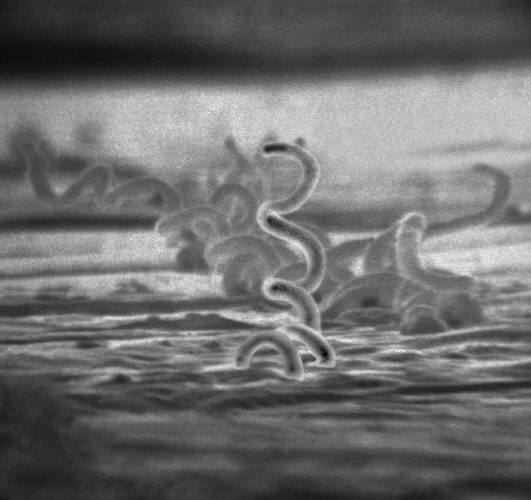
Spirochetes
Spirochaetota
2.5B years ago
Spirochaetota is a phylum of diderm bacteria, characterized by their long, helically coiled (spiral-shaped) cells. They are known for the distinctive corkscrew-like movement.
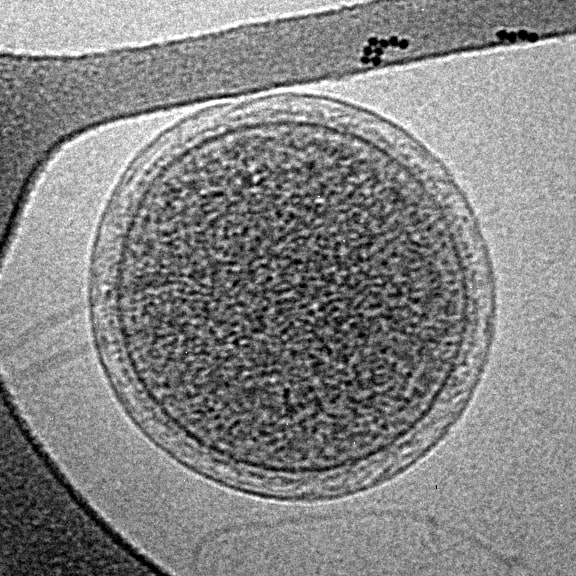
Archaea
Archaea
3.5B years ago
Archaea are a domain of single-celled organisms. These microbes are prokaryotes, meaning they have no cell nucleus. Archaea were initially classified as bacteria, but have a distinct evolutionary history and are now recognized as a separate domain.
Feeling lost? to see it all at once.